Article: Soft vs Hard Cellulite: How to Identify Your Type and Choose the Right Treatment
Soft vs Hard Cellulite: How to Identify Your Type and Choose the Right Treatment

Our Cellulite Guide explores how cellulite is graded and why understanding the severity of your dimples can help you choose the most effective treatment.
But did you know that not all cellulite looks or feels the same?
If you've ever noticed that the dimples on the backs of your thighs look completely different from those on your hips or upper arms, you're not imagining it. Cellulite can vary between individuals and even across different areas of the same body.
Two commonly described forms are soft (flaccid) cellulite and hard (compact or fibrotic) cellulite. Although these aren't formal medical diagnoses, the descriptions can help explain why some dimples appear loose and mobile while others look deeper and more firmly anchored.
Understanding these differences can help you build a more targeted cellulite routine, combining daily Legology body care with the right exercise, lifestyle habits and, where appropriate, professional treatments.

What Causes Cellulite?
Before exploring the different types, it helps to understand what's happening beneath the skin.
Cellulite develops in the subcutaneous fat layer, where fat cells sit between bands of connective tissue known as fibrous septae.
Think of these bands like the buttons on a tufted mattress. They anchor the skin to deeper tissues while the fat cells occupy the spaces between them.
When fat pushes upwards and the connective tissue bands pull downwards, the skin develops the familiar dimpled, orange-peel appearance.
Several factors influence how visible cellulite becomes:
- Genetics and natural fat distribution
- Hormonal changes, particularly oestrogen
- Skin thickness, collagen and elasticity
- Age-related changes in muscle and connective tissue
- Localised fluid retention, which can make skin irregularities more noticeable
This combination helps explain why cellulite affects women of all ages, shapes and fitness levels, including those who are naturally slim or physically active.
Type 1: Soft Cellulite (Flaccid Cellulite)
What Does Soft Cellulite Look and Feel Like?
Soft cellulite tends to look loose, mobile and slightly wobbly. When you press or move the skin, the underlying tissue shifts easily.
It's often most noticeable when standing or moving, while the dimples may become less visible when lying down.
This is sometimes described as movement-related cellulite because changes in posture and movement can affect its appearance.
What Causes Soft Cellulite?
Soft cellulite is commonly associated with reduced skin firmness, changes in body composition and declining muscle tone.
As collagen and elastin naturally change with age, the skin becomes less resilient. If muscle mass also decreases, the tissues beneath the skin may appear less supported, making existing dimples more noticeable.
Rapid weight loss can sometimes accentuate this appearance by leaving skin looser than before.
Where Does Soft Cellulite Appear?
- Backs of the thighs
- Buttocks
- Upper arms
- Front of the thighs, particularly above the knees
- Lower abdomen
Does Soft Cellulite Get Worse With Age?
It can become more noticeable with age, particularly during the 40s and beyond, when changes in collagen, skin elasticity, muscle mass and hormones may affect skin texture.
However, ageing doesn't mean that softer-looking cellulite is inevitable. Strength training, regular movement and consistent skincare can help support firmer-looking skin.
Type 2: Hard Cellulite (Compact or Fibrotic Cellulite)
What Does Hard Cellulite Look and Feel Like?
Hard cellulite tends to appear more compact, with deeper, clearly defined dimples that remain visible even when the body is still.
Unlike softer cellulite, the tissue may feel firmer and less mobile when touched.
The dimples can appear particularly pronounced when standing, although some remain visible when sitting or lying down.
What Causes Hard Cellulite?
Hard or fibrotic cellulite is commonly associated with the structural relationship between fat cells and the connective tissue bands beneath the skin.
When these fibrous bands tether the skin more tightly, they create deeper depressions that are less affected by movement or changes in posture.
Genetics, hormones and connective tissue structure all influence this process.
While fluid retention can exaggerate the appearance of dimpling, deeper cellulite is primarily a structural issue, which helps explain why it can be more resistant to topical treatments alone.
Where Does Hard Cellulite Appear?
- Outer thighs and saddlebags
- Hips
- Buttocks
- Around the knees
Can Young or Slim Women Have Hard Cellulite?
Absolutely. Cellulite isn't necessarily related to excess body fat or lack of exercise.
Because genetics and connective tissue structure play such important roles, deeper dimples can appear in teenagers, women in their 20s and highly active individuals, including athletes and dancers.
Soft vs Hard Cellulite: What's the Difference?
| Feature | Soft Cellulite | Hard Cellulite |
|---|---|---|
| Appearance | Loose, softer dimpling | Deeper, more defined dimples |
| Texture | Mobile, less firm tissue | Compact, more firmly anchored tissue |
| Visibility | Often changes with movement or posture | May remain visible at rest |
| Common areas | Backs of thighs, buttocks, upper arms | Outer thighs, hips, buttocks |
| Contributing factors | Skin laxity, muscle tone, fat distribution | Connective tissue structure, genetics |
| Treatment focus | Firmness, muscle tone and skin quality | Appearance of deeper dimples and tissue tethering |

Can You Have Both Soft and Hard Cellulite?
Yes, and it's very common to have different patterns of cellulite across your body.
You might notice deeper, more firmly anchored dimples around your outer thighs and hips, alongside softer, more mobile cellulite on the backs of your thighs or buttocks.
This is because skin thickness, fat distribution, muscle structure and connective tissue vary between different areas.
It's also why a one-size-fits-all approach to cellulite treatment isn't always the most effective.
How to Treat Soft Cellulite
When cellulite is accompanied by loose or less firm-looking skin, the aim is to improve the appearance of skin texture while supporting muscle tone and overall skin quality.
1. Build Muscle With Resistance Training
Strength training can improve the underlying muscle tone and body composition, helping the skin's surface appear firmer and more supported.
Exercises such as squats, lunges, deadlifts and glute bridges are particularly useful for targeting the thighs and buttocks.
2. Support Skin Firmness
As skin loses collagen and elasticity, dimples can become more visible. Consistent moisturising helps keep the skin supple and improves its surface appearance.
Professional treatments such as radiofrequency may offer additional improvements in skin firmness, although results vary and maintenance may be necessary.
3. Maintain a Daily Legology Routine
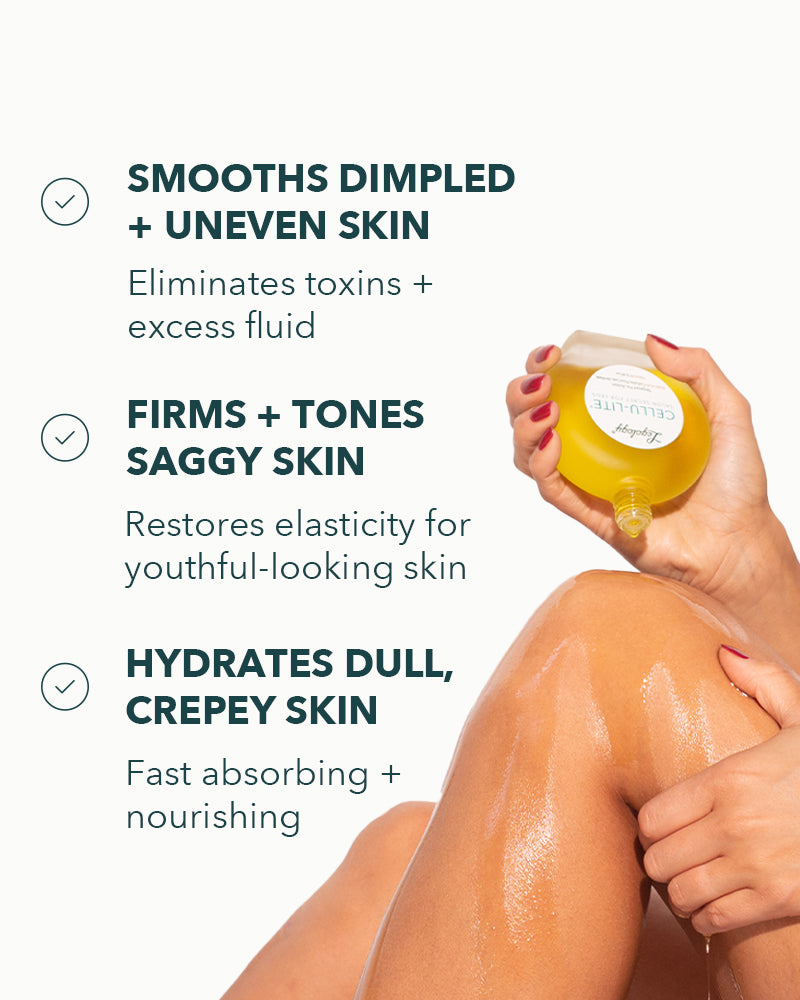
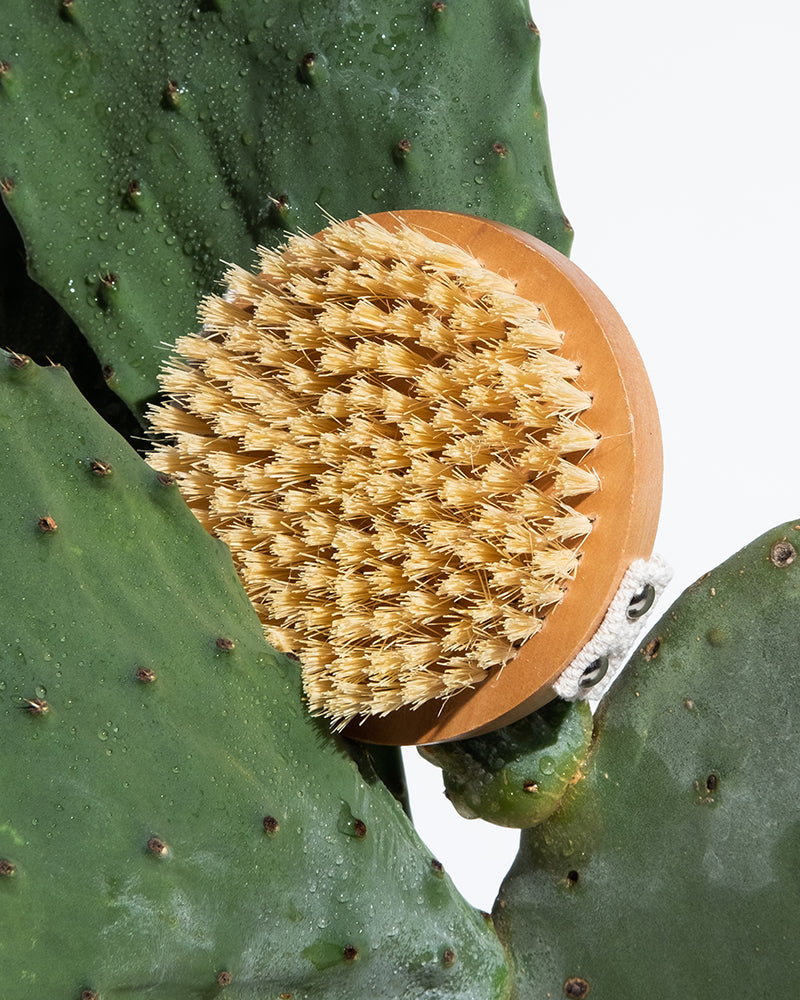
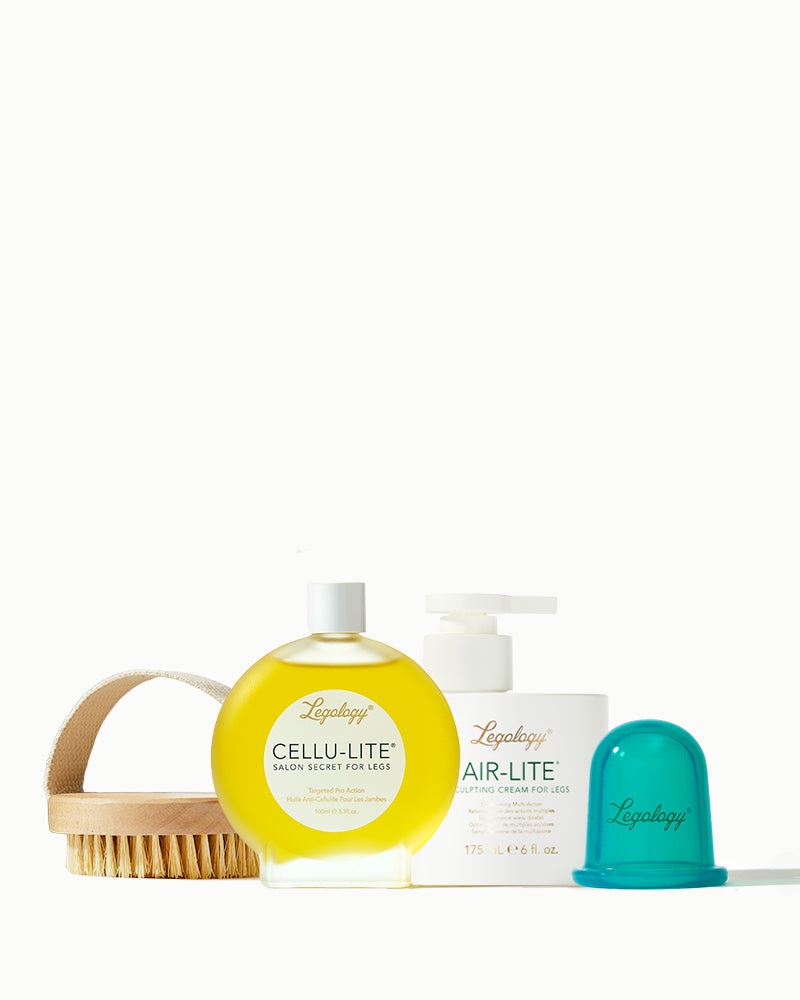
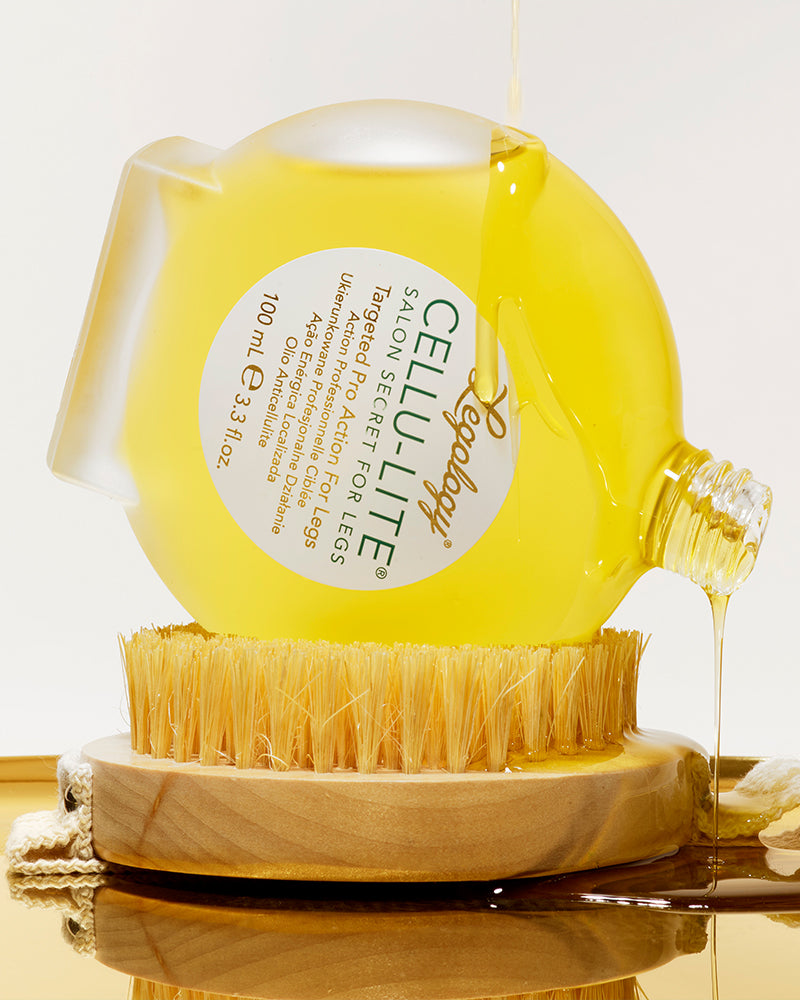
For everyday body care, combine Lymph-Lite Body Brush with Cellu-Lite Oil.
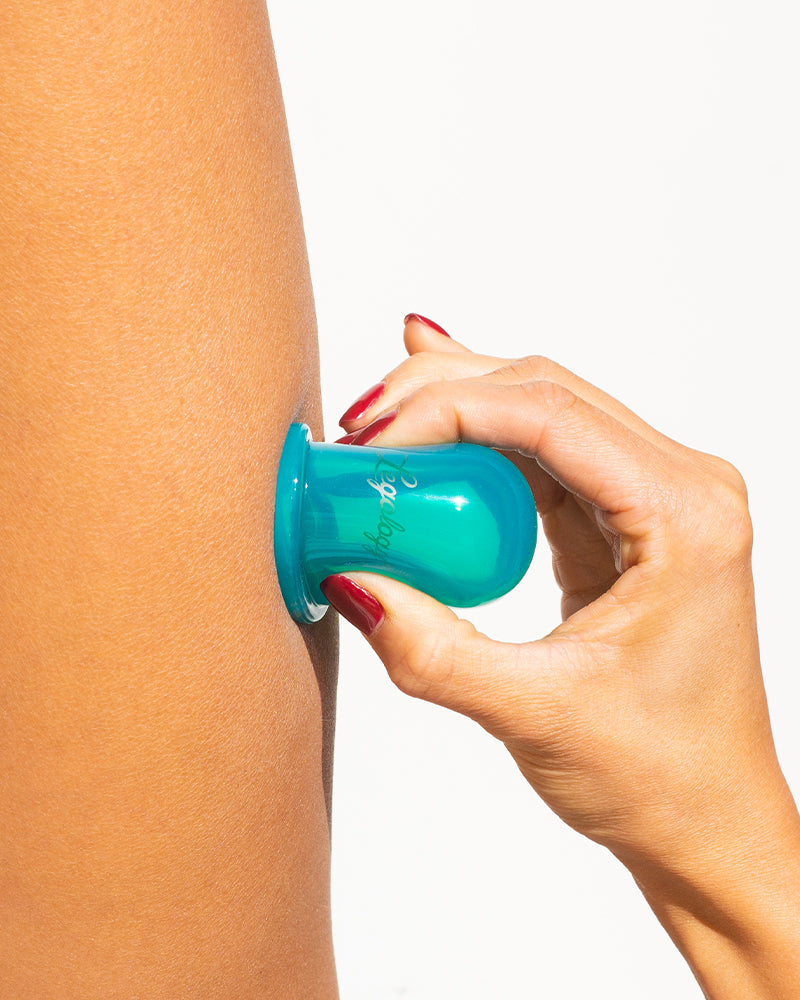
Massage the oil into areas where cellulite is most visible, using Circu-Lite Massage Cup to enhance your massage ritual and help skin appear smoother.
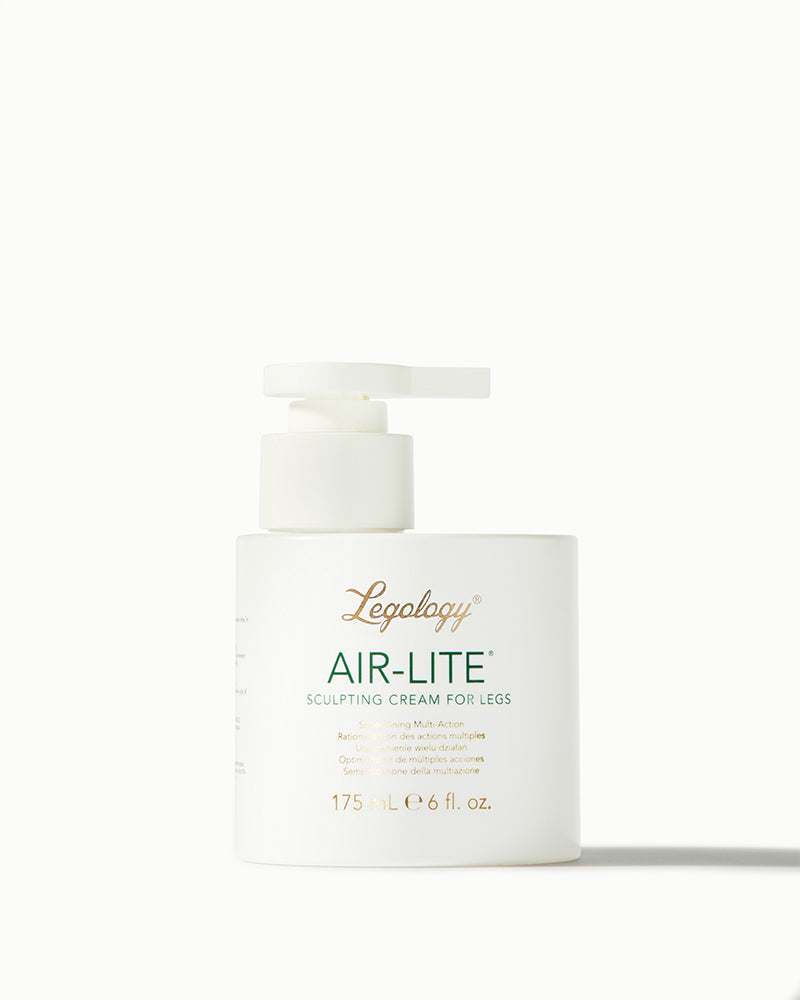
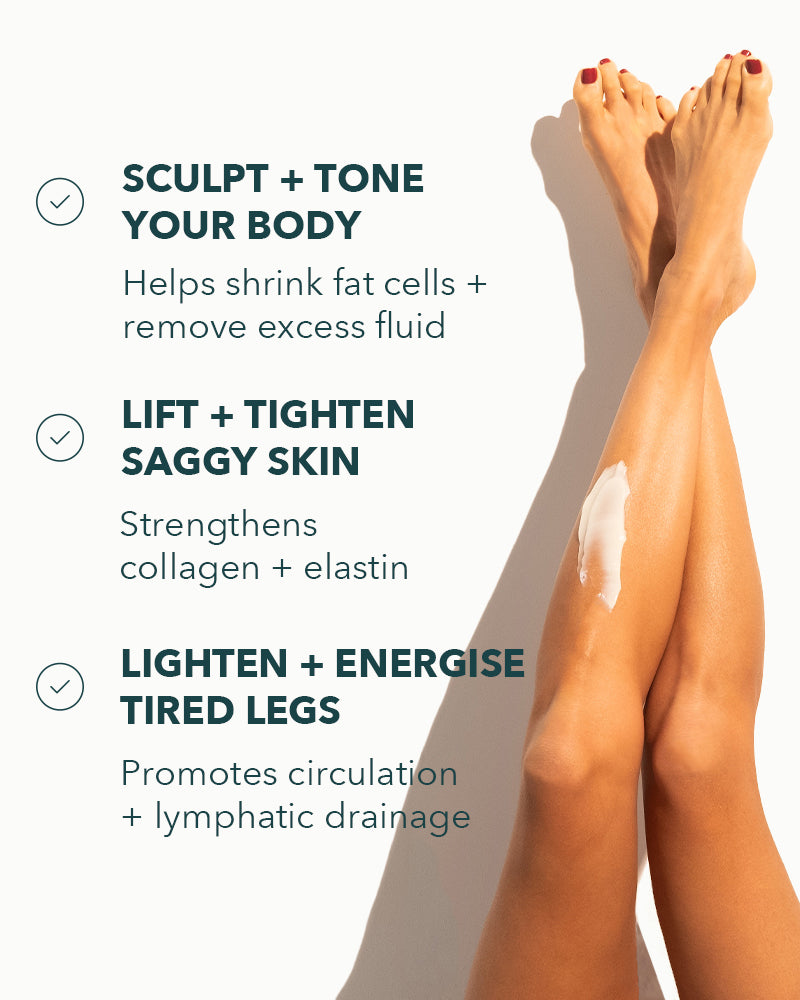
For additional hydration and a refreshed, firmer-looking finish, follow with Air-Lite Sculpting Cream as part of your daily routine.
How to Treat Hard Cellulite
Deeper, more firmly anchored dimples can be more challenging to improve because the underlying connective tissue plays a significant role in their appearance.
While a consistent skincare and massage routine helps maintain skin quality, some deeper dimples may benefit from professional treatment.
1. Acoustic Wave Therapy
Acoustic wave therapy uses targeted sound waves to treat areas affected by cellulite.
Some studies suggest it can temporarily improve the appearance of cellulite and skin texture, although results vary and repeat sessions may be required.
2. Professional Subcision
For deeper, persistent dimples caused by fibrous tethering, a dermatologist may recommend subcision.
This minimally invasive procedure releases selected connective tissue bands that pull the skin downwards, allowing the surface to appear smoother.
Subcision is not suitable for everyone, and treatment choice depends on the type and severity of the cellulite, alongside individual medical considerations.
3. Continue Your Daily Cellulite Routine
Professional treatments shouldn't replace the importance of everyday body care.
Continue using Cellu-Lite, ideally combined with the Circu-Lite, to help maintain smoother-looking skin.
Daily body brushing and regular moisturising with Air-Lite can complement this routine, helping skin feel soft, supple and comfortable.
Does Lymphatic Drainage Help Cellulite?
At Legology, we believe that supporting the body's natural fluid balance is an important part of caring for your legs.
The lymphatic system helps transport excess tissue fluid back into circulation. When fluid accumulates, legs may feel heavier or appear puffier, which can make existing skin irregularities more noticeable.
Gentle massage, regular movement and body brushing can be useful parts of a leg-care ritual, particularly when your legs feel tired or heavy.
Although lymphatic drainage doesn't permanently change the fibrous bands responsible for cellulite, reducing temporary puffiness may help improve the overall appearance and comfort of your legs.
The Best Daily Routine for Smoother-Looking Legs
Whatever type of cellulite you have, consistency is essential.
Morning: Brush, Massage and Smooth
- Start with Lymph-Lite Body Brush, using gentle strokes towards the heart.
- Massage Cellu-Lite Oil into areas affected by cellulite.
- Use the Circu-Lite Cup over the oil, following the product instructions, to enhance your massage.
Evening: Hydrate and Refresh
- Massage Air-Lite Cream upwards from ankles to thighs.
- Spend 10–15 minutes with your legs elevated if they feel heavy or puffy.
- Keep up regular walking and movement throughout the day to support healthy circulation.
Can Diet and Exercise Improve Cellulite?
While no particular food or exercise can completely eliminate cellulite, a balanced lifestyle can help improve skin health, muscle tone and body composition.
Focus on:
- Protein: to support muscle maintenance and repair.
- Colourful vegetables: including dark leafy greens, to provide nutrients important for skin health.
- Hydration: to support normal fluid balance.
- Strength training: to maintain muscle tone and firmness.
- Regular movement: to support circulation and help prevent prolonged periods of inactivity.
These habits work best alongside consistent body care rather than as a short-term fix.
The Bottom Line: Know Your Cellulite to Treat It Better
Cellulite isn't one-size-fits-all, and neither should your approach to treating it be.
Whether your dimples are softer and more mobile or deeper and more firmly anchored, understanding the factors behind their appearance can help you make more informed treatment choices.
For softer cellulite, prioritise skin firmness, strength training and daily body care. For deeper, more persistent dimples, professional treatments may offer additional options.
And whatever your cellulite type, make a consistent Legology routine part of your everyday approach to caring for your legs.
Because smoother-looking skin starts with understanding your body—and caring for it consistently.