The Lower Leg Dilemma

Why lower legs are slow to heal and tan
If you’ve ever noticed that a scratch on your shin lingers for weeks, or that your calves remain stubbornly pale while your shoulders have a golden glow, you’re not imagining it. The lower legs are often slower responders to both healing and tanning.
Many assume this is because the skin over the shin bone is thin and fragile. However, the true explanation is more complex, involving gravity, circulation, skin structure and the way pigment is distributed across the body.
The Science of the Slow Heal
A minor cut on your arm might disappear quickly, while the same injury on your lower leg can take much longer to settle. This delay can come down to two major structural factors.
1. The Gravity Tax on Circulation
To heal an injury, your body must deliver oxygen, nutrients and immune cells directly to the wounded tissue.
Because the lower legs are located furthest from the heart, your circulatory system has to work against gravity to return blood upwards. Long periods of sitting or standing can also encourage fluid to collect around the feet and ankles.
If circulation is less efficient or there is persistent swelling, the skin may receive oxygen and nutrients less effectively, which can slow the healing process.
2. Lack of Fatty Cushioning
While the skin on the legs is not necessarily thinner than elsewhere on the body, the layer of soft tissue over the shin is relatively sparse.
Without a generous layer of fat and muscle beneath it, the skin sits close to the bone. This means that knocks and scratches can feel more significant and may damage the tissue more deeply than they first appear.
The shin is also highly exposed to everyday bumps, friction and repeated contact, which can disturb an area while it is trying to heal.

Why Lower Legs Refuse to Tan
Achieving an even tan across your whole body is a common holiday frustration. Many people find that the lower legs lag behind the face, shoulders and upper body.
This can be influenced by several biological and practical factors.
1. Dry, Thickened Surface Skin
The stratum corneum, the outermost layer of dead skin cells, can become particularly dry and rough on the lower legs.
This does not prevent ultraviolet light from reaching the skin, but it can make colour look less even and cause both natural and artificial tans to fade in a patchy way.
Dry surface skin may also make the legs appear duller and less reflective than smoother areas of the body.
2. Differences in Pigment Response
Tanning relies on melanocytes, the specialised cells responsible for producing melanin, the pigment that helps protect the skin from ultraviolet radiation.
The body does not always respond to sunlight evenly. Genetics, skin type, previous sun exposure and natural differences in pigment activity can all affect how quickly different areas develop visible colour.
This means that the shoulders, arms and face may appear to tan faster than the lower legs, even when they have received similar exposure.
3. Lower Skin Temperature and High Friction
The lower legs often feel cooler than the upper body, particularly when circulation is sluggish or you have been sitting still for long periods.
However, warmth itself does not make the skin tan faster. The more important factors are the amount and angle of sun exposure, the way sunscreen is applied and the individual response of the skin.
Daily habits such as shaving, waxing and wearing close-fitting trousers can also affect the surface of the skin. These actions may make the legs drier and can cause self-tan to fade more quickly.

How to Optimise the Lower Legs
You can’t rewrite your anatomy, but you can support the skin and circulation of the lower legs with a consistent routine.
Strategies for Faster Healing
Embrace elevation: if your feet and ankles feel mildly puffy after sitting, standing or travelling, raising the legs on cushions can help fluid move away from the lower limbs.
Keep it moist: the old advice to let every cut “air out” can slow healing. For a minor cut or scrape, clean the area, apply a thin layer of a suitable ointment and cover it with a clean dressing. Skin cells generally move more effectively across a clean, slightly moist surface than beneath a dry, cracked scab.
Keep moving: gentle walking and ankle movements activate the calf muscles, which help return blood from the lower legs towards the heart.
Consider compression carefully: compression socks can help some people with diagnosed venous circulation problems, but they are not suitable for everyone. Speak to a pharmacist, GP or healthcare professional before using compression to treat a slow-healing wound or unexplained swelling.
Strategies for a More Even-Looking Tan
Strategic exfoliation: exfoliate gently around 24 hours before applying self-tan, rather than immediately before sun exposure. This helps remove dry surface cells and creates a smoother base for colour.
Intense moisturisation: dry skin can make both a natural tan and self-tan look uneven. Apply a rich moisturiser daily to keep the lower legs smooth, supple and less prone to flaking.
Stimulate microcirculation: dynamic movement, such as a brisk beach walk, gentle calf raises or ankle circles, can help warm up tired-feeling legs and encourage circulation.
Use self-tan for stubborn areas: the safest way to build more even colour on the lower legs is with a gradual tanning product or self-tan, rather than spending longer in direct sunlight.
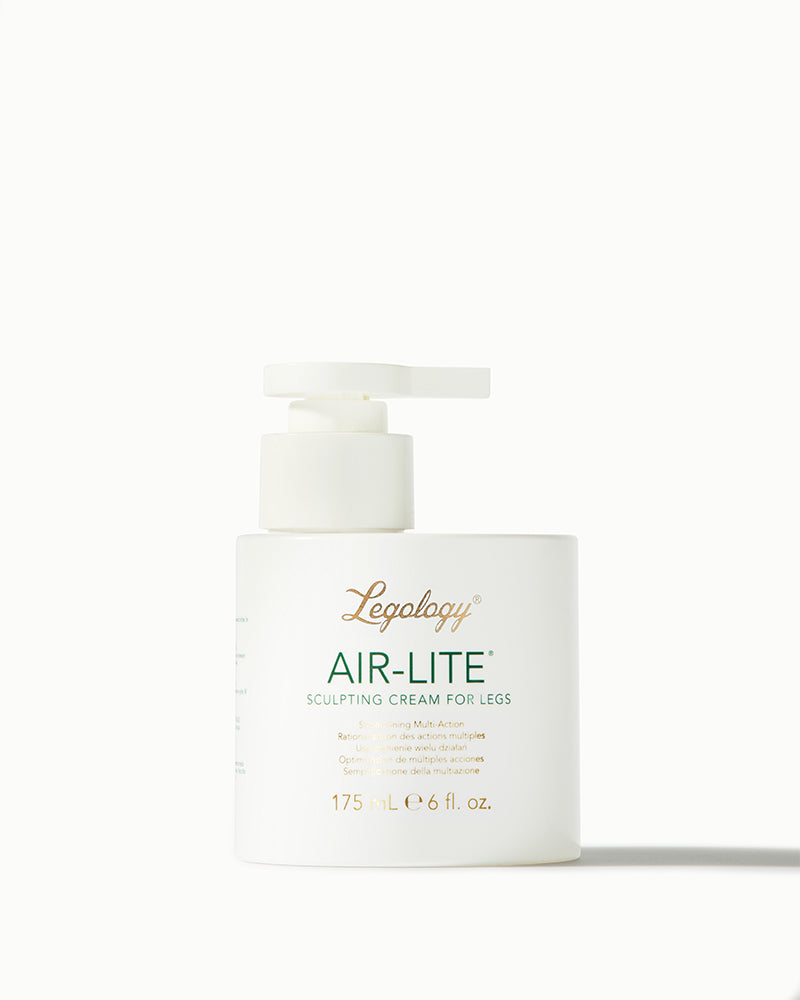
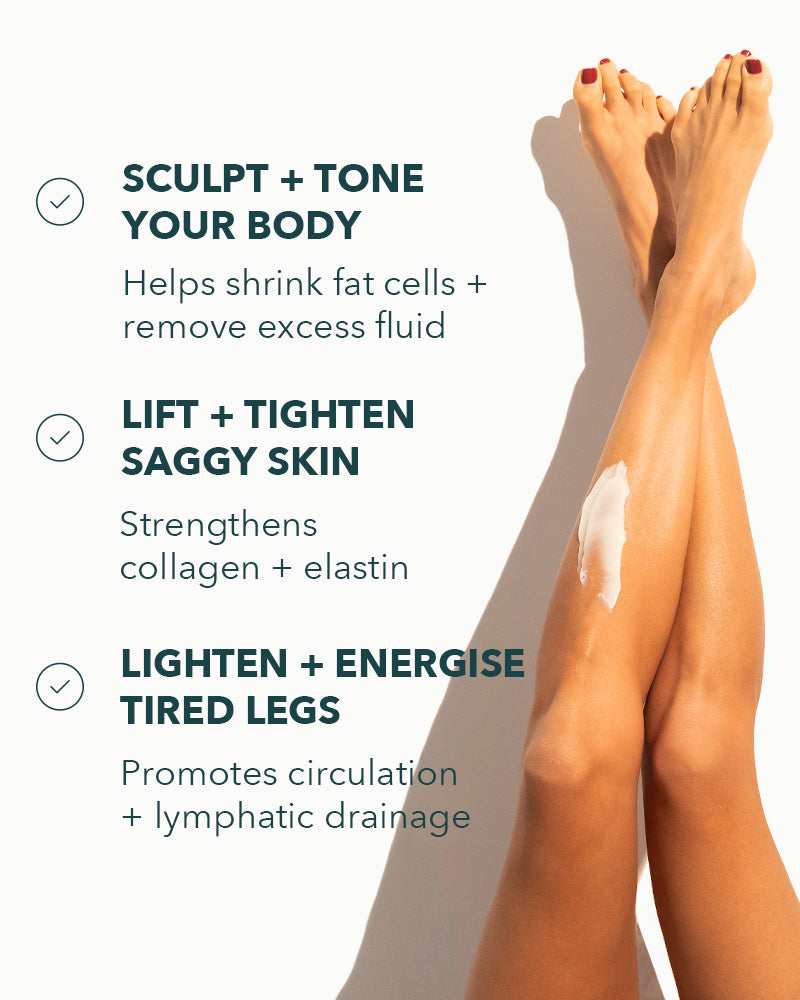
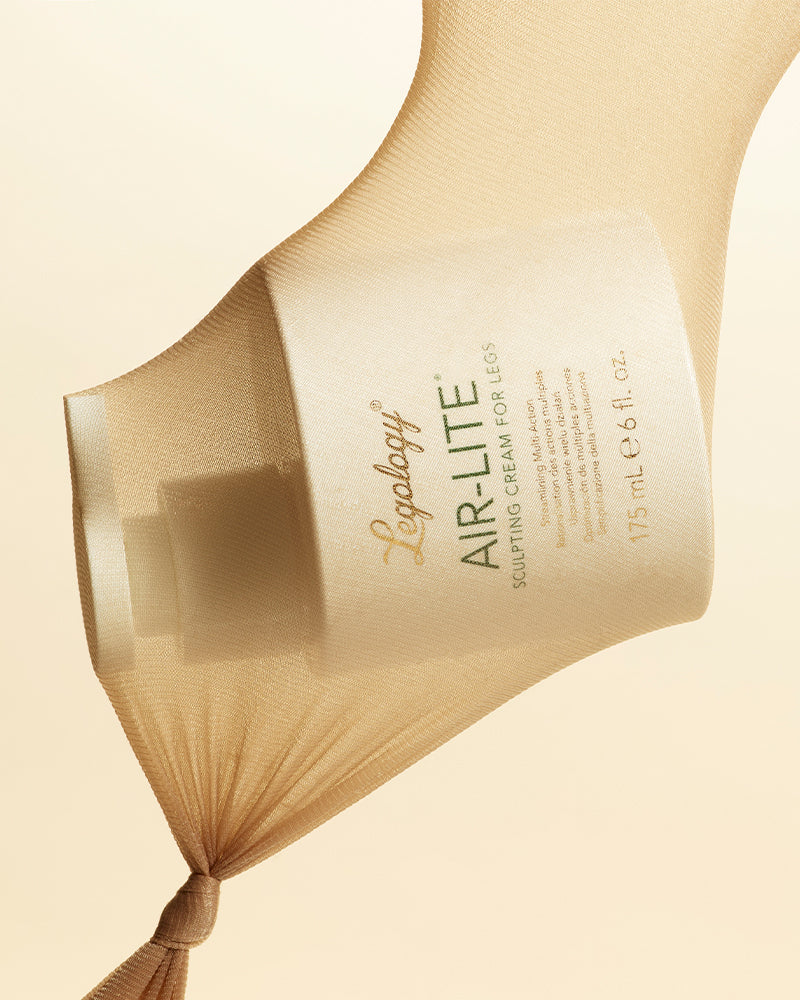
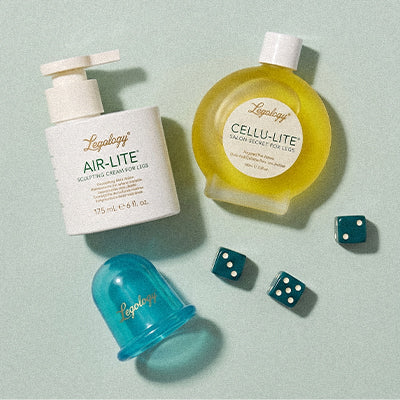
Massage in your body care: products such as Legology Air-Lite can be massaged upwards over the feet, ankles and calves as part of a daily leg-care ritual. Its cooling, tingling sensation helps leave tired-feeling legs refreshed while moisturising the skin.
The Lower-Leg Routine
For smoother, more even-looking lower legs:
- Exfoliate gently once or twice a week.
- Moisturise daily, paying attention to the shins and ankles.
- Massage products upwards from the feet towards the knees.
- Move regularly during long periods of sitting or standing.
- Use broad-spectrum SPF 30 or higher on exposed legs.
- Choose self-tan rather than increasing UV exposure.
- Protect healing marks from the sun once the skin has closed.
Lower legs may be slower to respond than other areas, but consistent care can make a visible difference. Support circulation, maintain the skin barrier and treat the area gently for legs that look smoother, healthier and more even.
If a wound is not improving, remains open, becomes increasingly painful, red or swollen, or produces discharge, seek advice from a healthcare professional.
```