

Summer Heat Takes Its Toll On Legs & Feet

Why do my legs ache in hot weather? When it's hot, your blood vessels widen to help cool you down, so blood and fluid pool in your lower legs — leaving them aching, heavy and often swollen by evening. It's usually harmless and eases with cooling, elevation, gentle movement and staying hydrated. But sudden, painful or one-sided swelling should always be checked by a doctor.
Common Heat-Related Leg Symptoms Include:
- Swelling (heat edema): Warm temperatures cause veins to expand (vasodilation), making it harder for blood to return to the heart. This causes swelling as the blood pools — usually around ankles, lower legs, and feet due to gravity and the heat of the ground.
-
Varicose vein discomfort: Heat can intensify pain or throbbing in those with existing vein conditions.
-
Muscle fatigue and cramps: Dehydration and electrolyte loss can lead to muscle tightness or spasms.
-
Increased risk of blood clots: For those vulnerable, prolonged sitting or standing in heat can exacerbate clot risk.
- Burning sensation: Often caused by nerve irritation or poor circulation. Heat rashes are common too as sweat can become trapped and cause small, itchy bumps or raised red patches.

Who Is Most at Risk?
Older adults, pregnant women, people with circulatory issues, or those who stand for long periods — such as retail or salon workers — are especially susceptible to leg-related heat effects.
Tips for Leg Health in the Heat:
-
Stay hydrated to keep circulation strong and reduce swelling. Electrolyte concentrate or powders, rich in potassium and magnesium, added to your water bottle can help boost your resilience. One of my go-to's is Bodybio Elyte Electrolyte Concentrate.
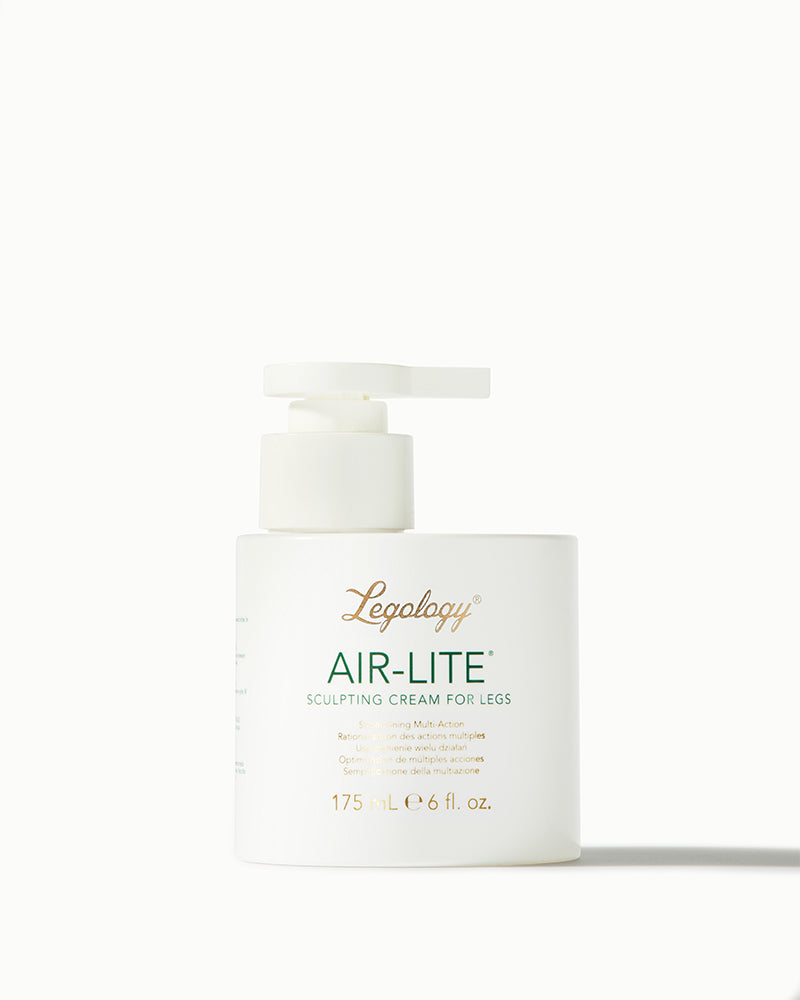
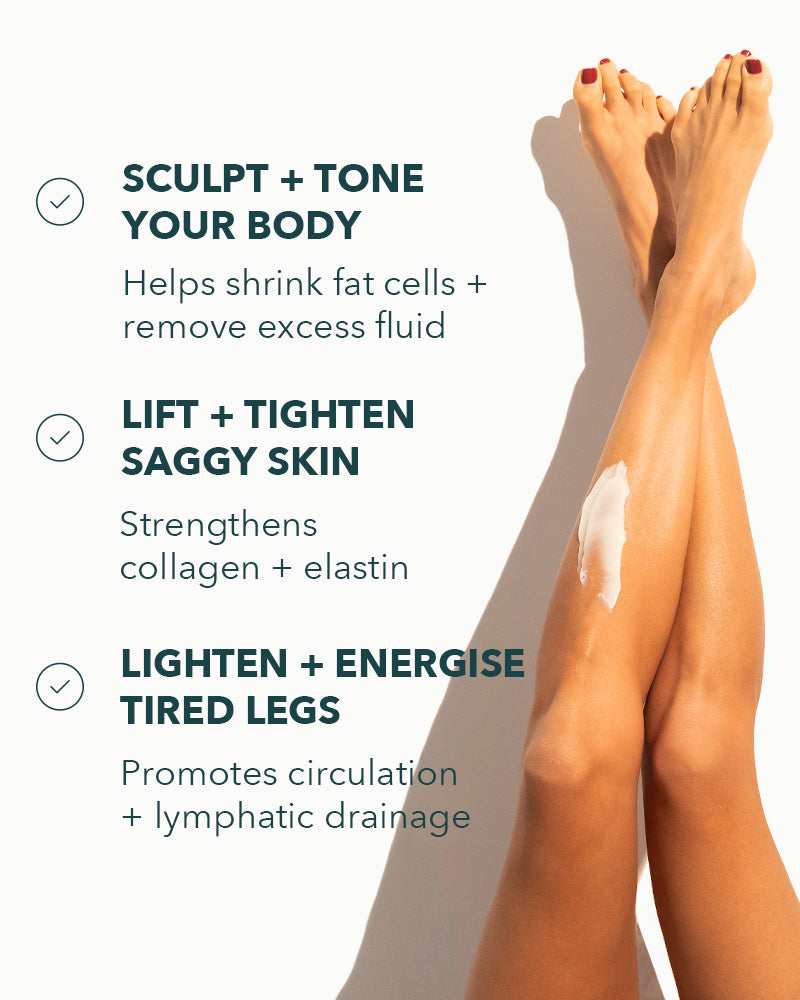
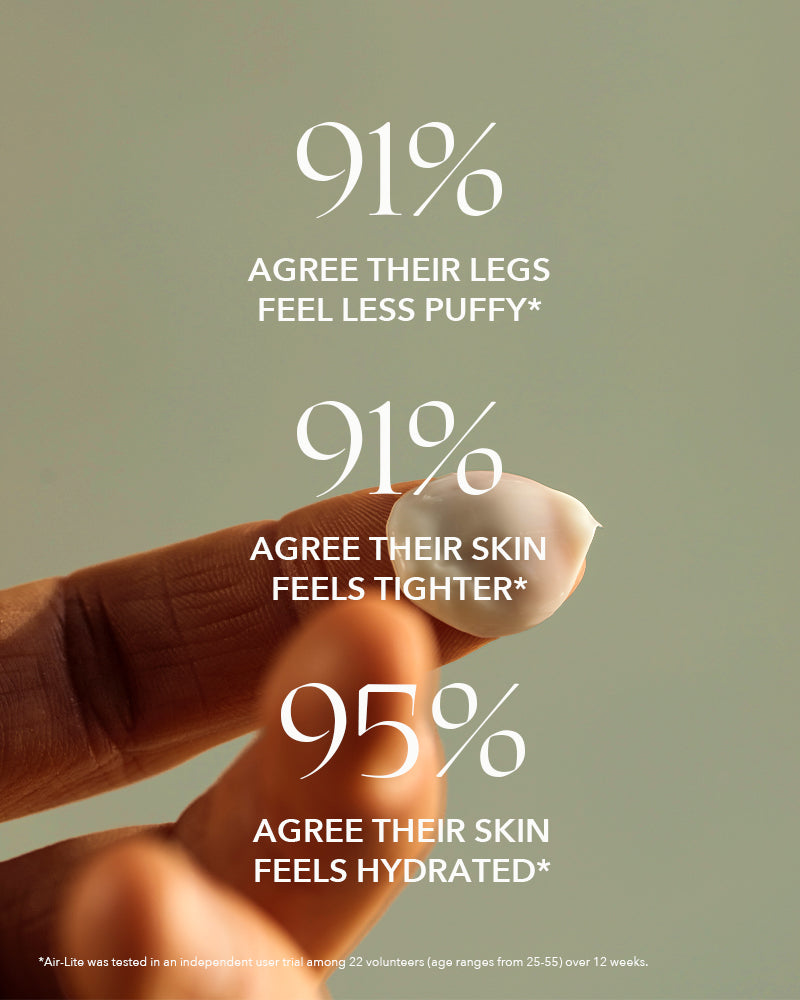
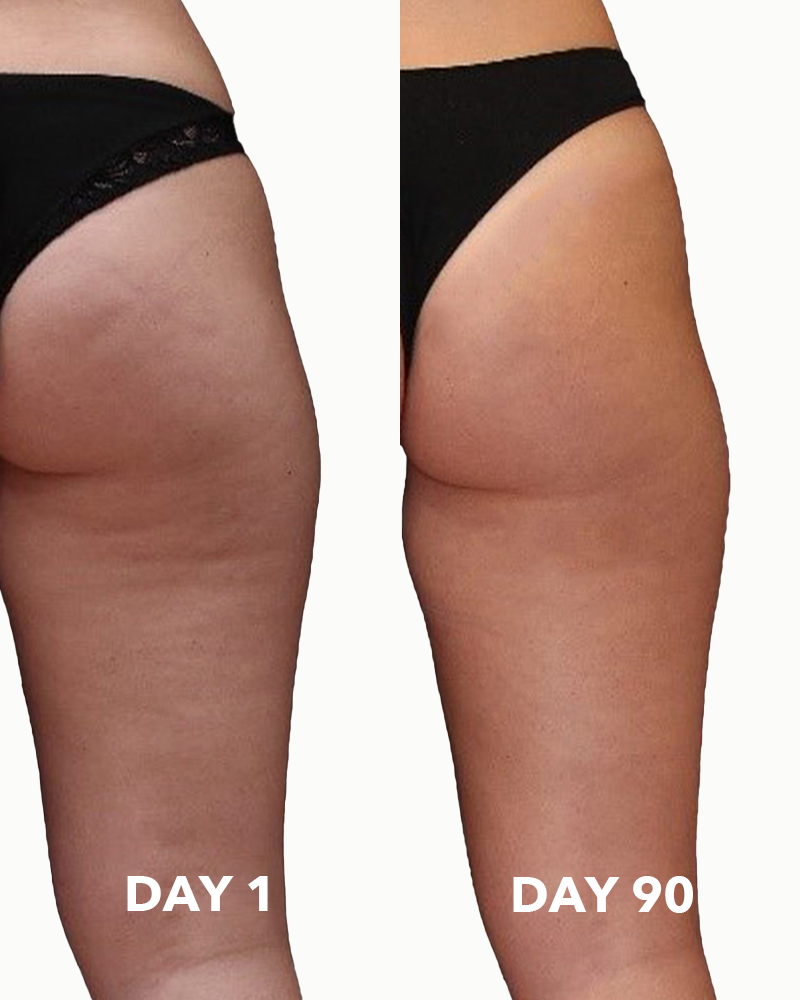
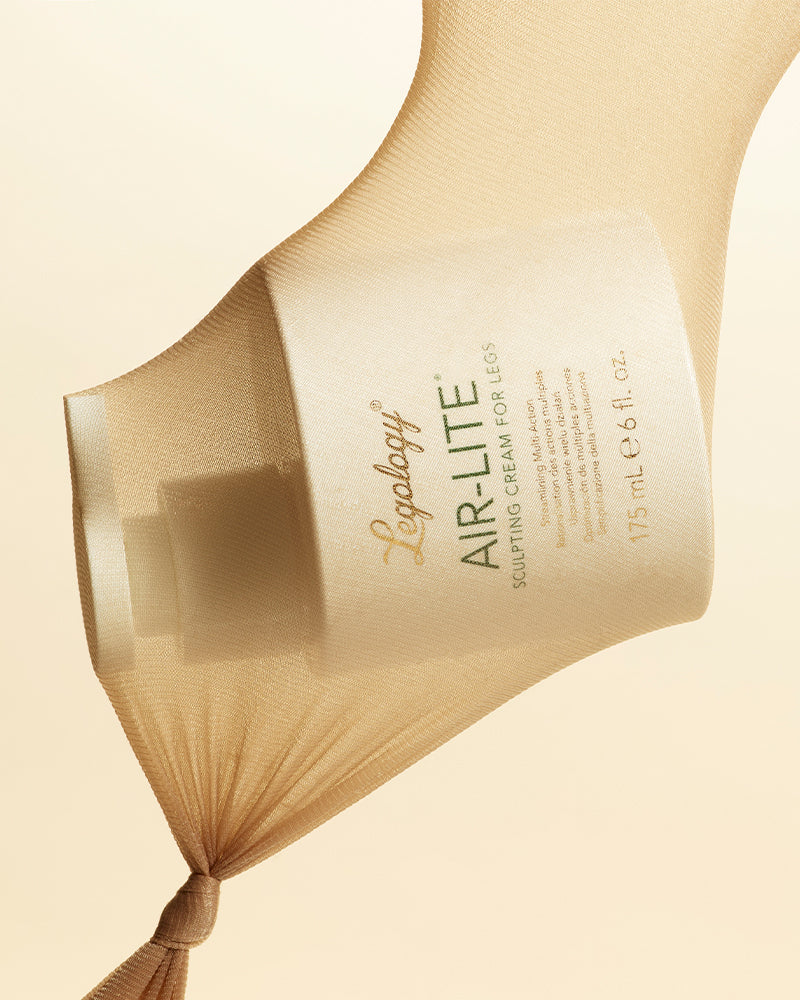
- Seek shade and elevate legs periodically to improve blood flow. If you can, take a cool shower or bath and apply a cooling cream or mask to reduce swelling while lying flat with your legs raised at right angles to the wall. A lymphatic leg treatment such as Air-Lite helps counter that heavy, pooled feeling.
-
Wear loose, cotton clothing and compression garments to support vein health. The best compression wear also helps regulate body temperature.
- Exercise during cooler parts of the day to avoid overheating. Wear moisture-wicking leggings made from a cotton-spandex blend for comfort and breathability.
When to see a doctor: Aching, heavy legs in the heat are usually harmless and settle once you cool down and rest. But see your GP — or seek urgent care — if you notice swelling in just one leg, sudden or severe swelling, pain, warmth or redness in the calf, or skin changes around a vein. These can signal a circulation problem or, rarely, a blood clot (DVT), and shouldn't be left. If you're pregnant, older, or have a known circulatory or vein condition, check in with a professional sooner rather than later.
As summer continues, understanding how heat affects the body — especially the legs — can help you stay active, comfortable, and pain-free.