Fascia: The Inbuilt Body Suit That Controls Your Curves

For a long time, we thought of our bodies as just muscles, bones and skin. But there is a hidden architect beneath the surface that determines our shape, posture and even how our skin sits: it’s fascia. And the world is finally waking up to the significant role this tissue plays.
If you’ve been feeling stiff or puffy, or you notice that your skin lacks that smooth, lifted look, your fascia might be the missing piece of the puzzle. And I’m so pleased to see it get the recognition and understanding it deserves, along with lymph, with advice on supporting it that doesn’t include beating yourself black and blue with knobbly sticks or rollers.
What Exactly is Fascia?
Think of fascia as a 3D internal web or a high-tech body suit made of collagen and elastin. It wraps around every muscle, bone, nerve and organ. When it’s healthy, it’s slippery, hydrated and flexible, allowing your muscles to glide past each other effortlessly.
Because it holds everything in place, the state of your fascia directly impacts your body shape. When fascia is tight or glued together, it can pull on your muscles and skin, creating an uneven silhouette, restricted movement, and even making cellulite more obvious.
What Makes Fascia Tighten Up?
Fascia is incredibly sensitive to your lifestyle. It’s not just physical injury that affects it; it’s a living tissue that reacts to:
- Stress: high cortisol levels cause fascia to contract and tighten
- Sedentary Habits: desk slouching causes fascia to shorten and solidify in a hunched position
- Dehydration: fascia needs water to stay “slidey”. Without it, it becomes brittle and sticky
- Fatigue: when we are tired, our posture collapses, creating “kinks” in the fascial web
Stop Beating Your Fascia
There is a common misconception that to fix fascia, you need to use a painful foam roller or stick to beat it into submission. This aggressive approach can actually cause the tissue to guard itself and tighten further, not to mention the damage it can do to the lymph, which is very fragile and runs just beneath the surface of your skin.
The goal isn’t to break the fascia — it’s to melt it and rehydrate it.

The Gentle Revolution: Body Brushing
One of the most effective and enjoyable ways to make fascia supple is through regular body brushing.
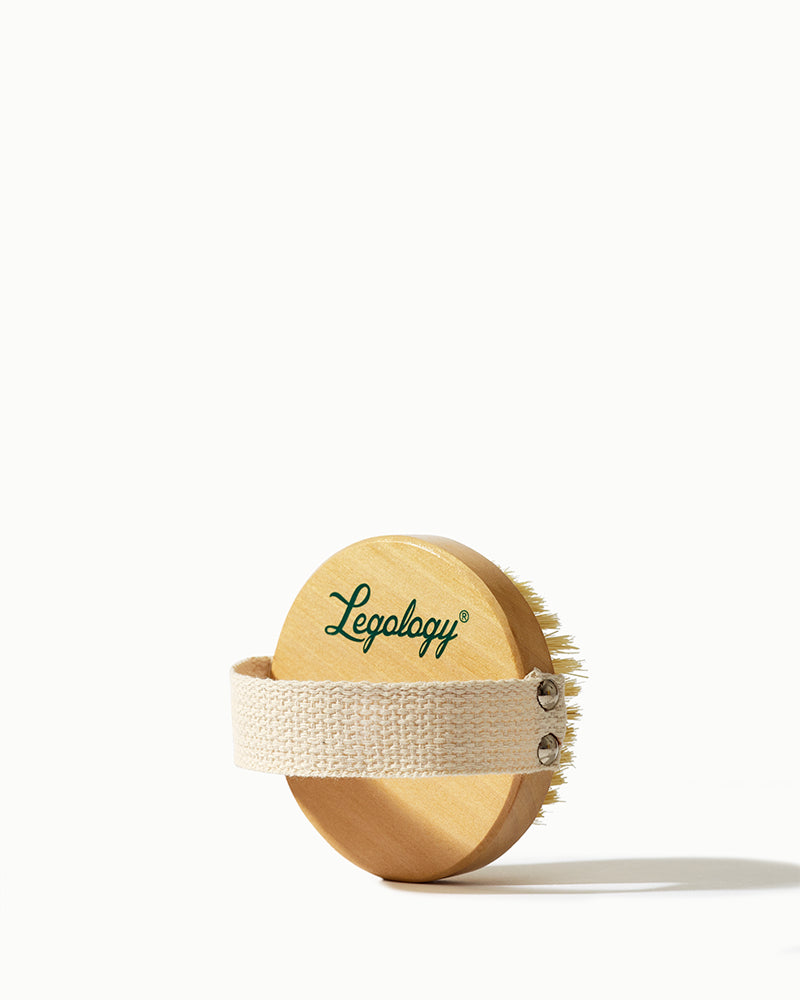
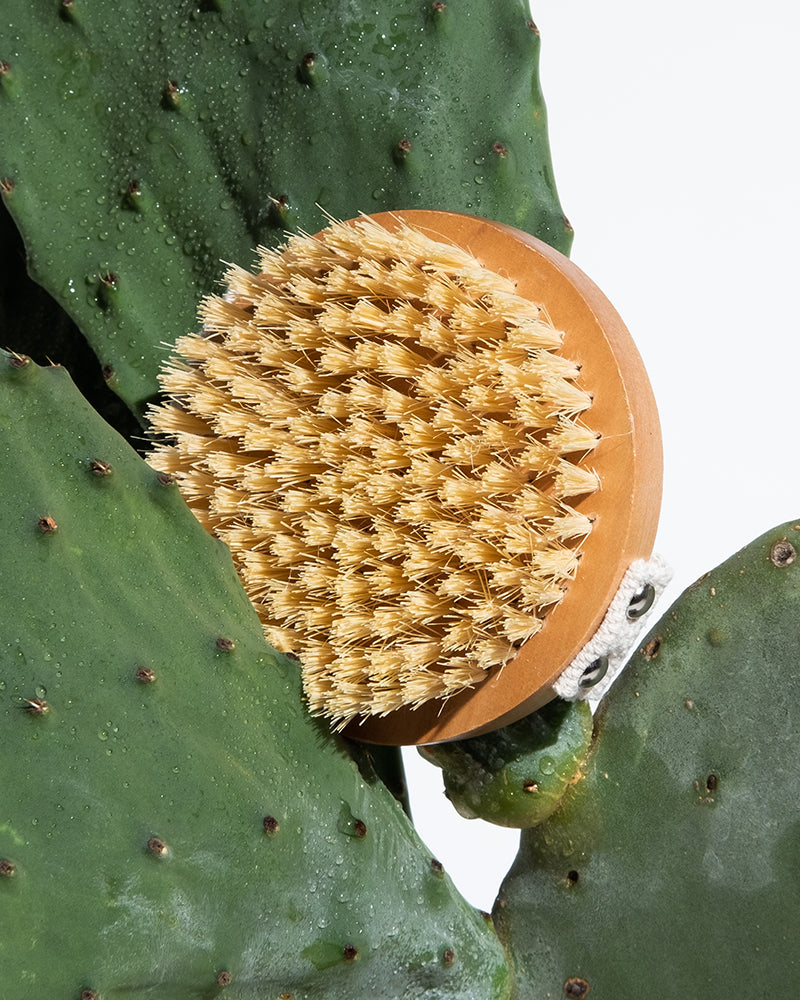
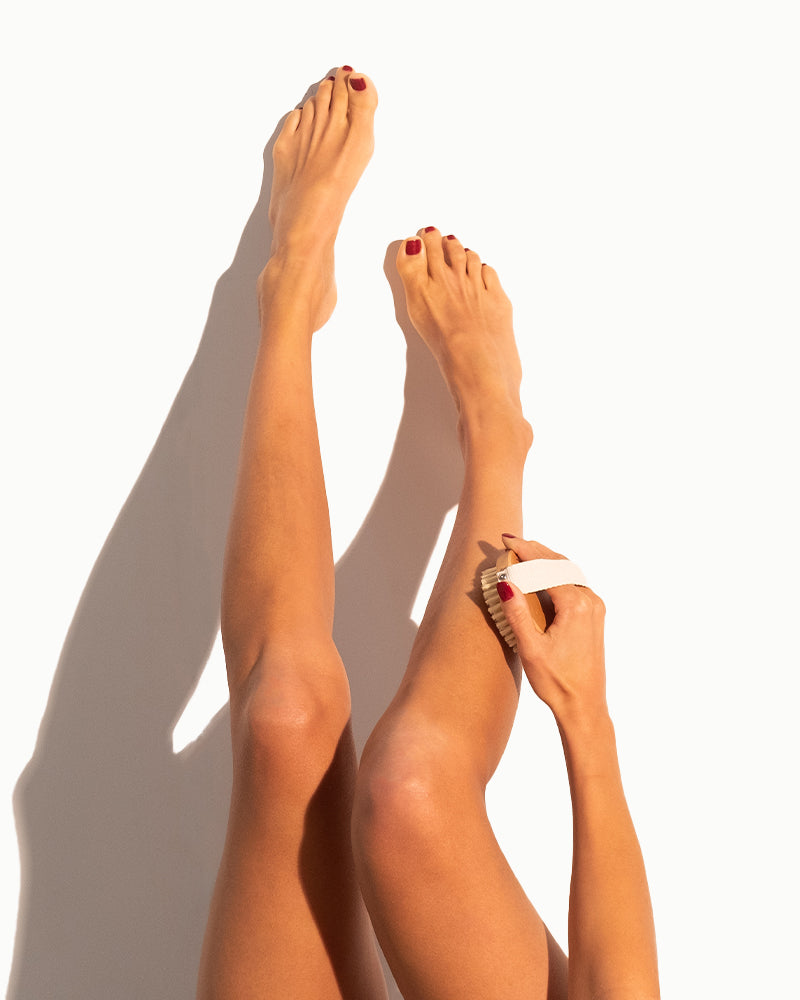
By using a tool like our Lymph-Lite body brush, you aren’t just exfoliating the skin and improving lymphatic flow; you are sending a signal to the fascial network. The rhythmic, sweeping motions:
- Warm the Tissue: the friction generates a gentle heat that helps the fascial gel become more fluid.
- Encourage Hydration: brushing stimulates blood flow, bringing fresh fluid into the fascial layers.
- Release Tension: it communicates with the nervous system to let go of the “grip” that stress creates.

How to Soften Your Silhouette
To truly change your fascia, consistency is your best friend:
- Brush Daily: A minute, or more if you have time, of upward strokes toward the heart every morning before, during or after a shower.
- Stay Fluid: Drink plenty of water and incorporate micro-movements — stretching and twisting throughout the day.
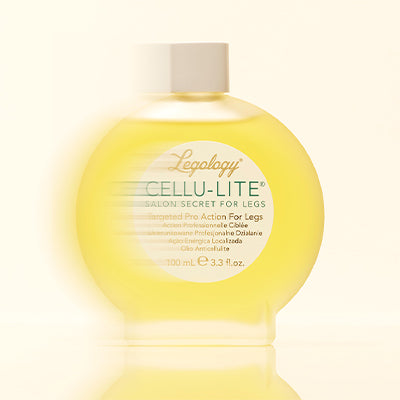
- Heat & Oil: Combine your brushing with a nourishing deep drainage oil like Cellu-Lite. The combination of massage and botanical actives helps to “unstick” those stubborn areas, leaving your body feeling lighter and more contoured.
When you treat your fascia with kindness rather than force, your body responds by feeling more mobile, looking more toned, and regaining that supple, youthful bounce.