
Spider Veins And Varicose Veins: Why Treating The Cause Matters

Thinking about finally treating varicose veins or spider veins? Here’s what you need to know before booking an appointment — from finding the right specialist to understanding why surface veins may only be part of the story.
I know I’m not the only person who has quietly played hide-and-seek with their wardrobe in an attempt to disguise spider veins over the years.
Midi dresses and jeans over short skirts. Waterproof concealer patted onto calves before baring legs on holiday. Opaque tights, even when the weather says otherwise. All to hide a few squiggly blue lines at the side of one knee, or a purple spiderweb on the back of one calf.
So if you’re reading this and nodding along, holding a bottle of high-street leg gel or a packet of supplements and hoping for a miracle, welcome. Here is what’s worth knowing about where to start, why visible veins can be the tip of the iceberg, and what to do when you are ready to take them seriously.
Step 1: Find The Right Specialist
When you decide to treat your veins, your first instinct might be to book an appointment at a local aesthetics clinic or high-street beauty salon.
For varicose veins, prominent spider veins or recurring leg vein issues, the best starting point is usually a medical specialist — typically a vascular surgeon, phlebologist or vascular interventional radiologist.
This matters because leg veins are not just a cosmetic surface issue. They are part of a deeper venous system, and the visible vein you can see may not be where the problem begins.
The Two Words To Look For: Duplex Ultrasound
Before any serious treatment plan is recommended, a reputable vein specialist will usually assess the legs with a duplex ultrasound.
This scan helps map the veins beneath the surface and shows whether blood is flowing in the right direction. It can also help identify whether there is underlying venous insufficiency, where valves in the veins are not working as effectively as they should.
If a clinic offers to treat spider veins on day one with surface laser, without first checking what is happening underneath, it is worth asking questions before proceeding.

Why Surface Veins May Not Be The Whole Story
One of the most important things to understand is that visible vein issues are not always purely local.
You might see a bulging varicose vein on the lower calf, but the pressure contributing to it may start higher up the leg. Spider veins around the ankle, for example, can sometimes be linked to deeper vein pressure further up the leg.
This is why proper assessment matters. Treating only the visible surface vein without understanding the source of pressure may mean results are limited, or the veins are more likely to recur over time.
Think of your venous system like plumbing in a house:
- The root cause: pressure or faulty valves higher up in the system
- The flow-on effect: blood pools or pushes downwards
- The visible symptom: surface veins become more prominent lower down the leg
That is why the first step is not simply removing what you can see. It is understanding why it appeared in the first place.
Varicose Vein Treatments: What Are The Main Options?
Once your specialist has assessed your veins, they may recommend one or more treatments depending on the type, size and cause of the veins.
Endothermal Ablation: EVLA or RFA
Endothermal ablation uses laser or radiofrequency energy to seal a faulty deeper vein from the inside. It is commonly used for larger varicose veins and is far less invasive than traditional vein stripping.
Foam Sclerotherapy
Foam sclerotherapy involves injecting a specialised foam into varicose veins, causing them to close and gradually be reabsorbed by the body.
Microsclerotherapy
Microsclerotherapy is often used for smaller spider veins and thread veins. A very fine needle is used to inject a solution into the tiny surface veins, helping them fade over time.

What About IPL Or Surface Laser For Leg Veins?
High-street IPL and surface lasers can be useful for some forms of facial redness, but leg veins are often under more pressure and may sit deeper beneath the skin.
For this reason, results on leg spider veins can be limited or temporary if the underlying cause has not been assessed. If you are considering treatment, it is usually worth starting with a vein specialist rather than a purely cosmetic appointment.
Can Supplements Or Creams Get Rid Of Varicose Veins?
The honest answer is no. A supplement, cream or gel cannot reverse a damaged vein valve or make a true varicose vein disappear.
However, that does not mean they have no role at all.
Some supplements, such as those containing flavonoids like diosmin and hesperidin, or horse chestnut extract, are often used to support vascular health and help with feelings of heaviness or swelling. Always speak to a healthcare professional before taking supplements, especially if you are pregnant, breastfeeding, taking medication or have an existing medical condition.
Topical products also cannot remove varicose veins or spider veins, but the right leg-care formula can help support comfort when legs feel heavy, tight, hot or tired.
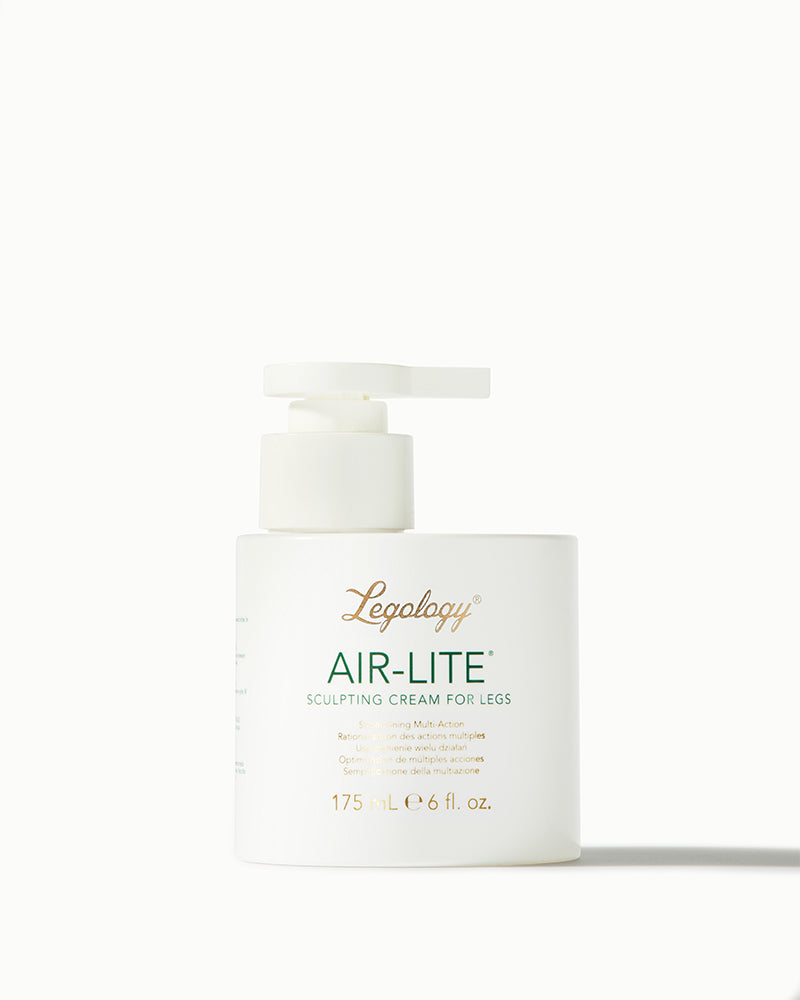
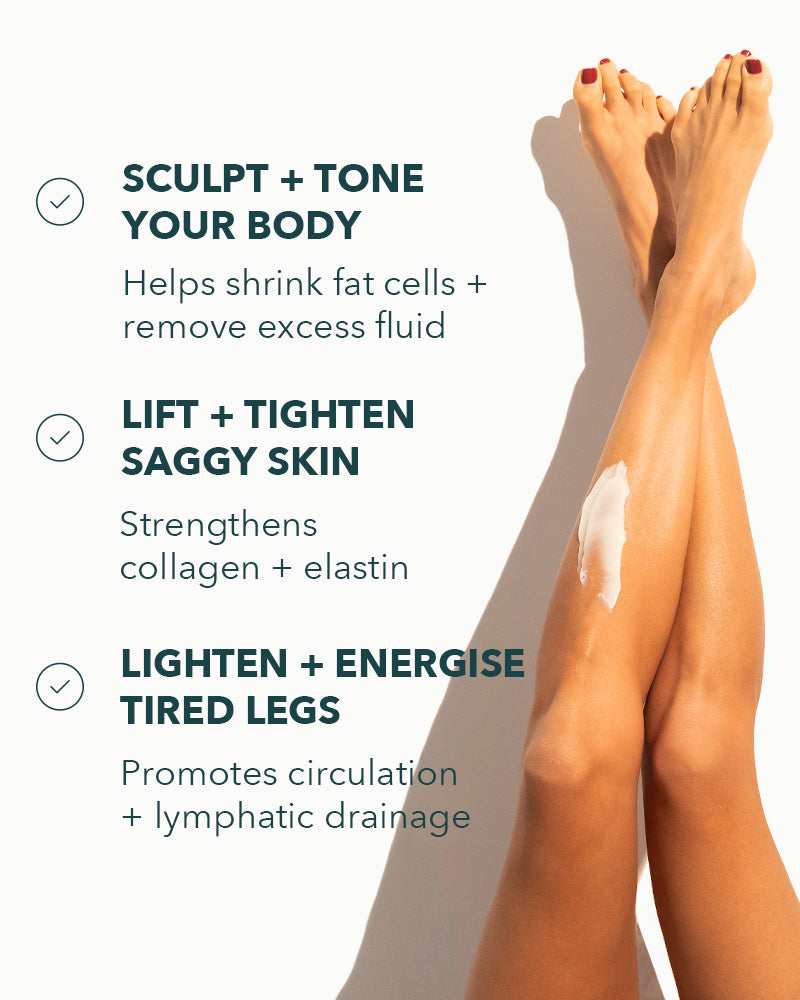
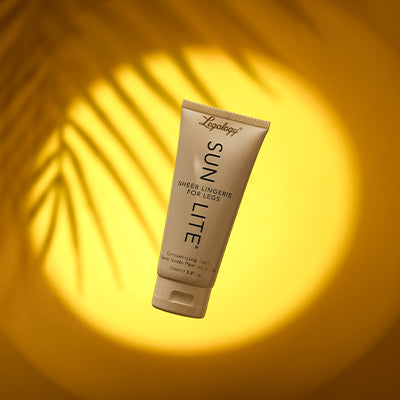
Legology Air-Lite Daily Lift For Legs is not a vein treatment, but it is loved for helping legs feel lighter, cooler and more comfortable — especially in hot weather, after long days standing, during travel, or when legs feel heavy by the end of the day.
How Long Does Varicose Vein Treatment Take?
If you want smoother-looking legs for summer, it is worth planning ahead. Vein treatment is a process rather than an instant fix.
The Treatment Phase
Depending on the extent of the veins, you may need more than one session, often spaced several weeks apart.
The Recovery Phase
After treatments such as sclerotherapy, you may be advised to wear medical-grade compression stockings for a period of time. This is one reason many people prefer to start treatment in autumn or winter rather than during a heatwave.
The Clearing Phase
Treated veins do not always disappear immediately. They can darken or look bruised before gradually fading as the body breaks them down. This can take several weeks or months, depending on the treatment and the individual.
How To Support Heavy Legs Day To Day
Whether you are considering treatment, recovering afterwards or simply prone to heavy, tired legs, your daily routine can make a difference to how your legs feel.
- Move regularly and avoid sitting or standing still for long periods
- Elevate legs when they feel heavy or swollen
- Wear compression hosiery if recommended by a specialist
- Stay hydrated, especially when flying or in hot weather
- Use a cooling leg cream or gel to help relieve the feeling of heaviness
For daily relief, Air-Lite Daily Lift For Legs is a beautiful support step in your leg-care ritual, helping legs feel refreshed, lighter and more comfortable.
Final Thoughts
Investing in your legs is not just about vanity. It is about comfort, confidence and understanding what your body is telling you.
If you are tired of hiding your legs, the first step is not another camouflage cream. It is proper information, the right specialist and, where appropriate, a duplex ultrasound to understand what is happening beneath the surface.
And while no cream can erase varicose veins, the right daily leg-care ritual can help support the feeling of lighter, fresher, more comfortable legs — especially when heat, travel, long days or pressure make them feel heavy.