

Article: How to Keep Your Hips, Knees & Ankles Moving With Age
How to Keep Your Hips, Knees & Ankles Moving With Age

There is a specific type of morning stiffness that can sneak up on you in midlife. You step out of bed and suddenly your knees click, your hips feel unyielding and your ankles need a few minutes of tentative movement to warm up.
If your joints feel tighter, more tender and less forgiving than they used to – especially during or after menopause – it may be linked to more than simply getting older. Hormonal changes can affect inflammation, muscles, bones and the tissues that support your joints.
The good news is that joint stiffness does not always have to be accepted as an inevitable part of ageing. Understanding why your joints may change during this life stage can help you build a practical toolkit of movement, strength training and healthy lifestyle habits to support mobility and comfort for years to come.
The menopause connection: why joints can suddenly hurt
Most people associate menopause with hot flushes, but joint pain, or arthralgia, is also commonly reported during perimenopause and menopause.
One possible contributor is the decline in oestrogen. Oestrogen interacts with the musculoskeletal system and is involved in inflammatory processes, bone health and the maintenance of connective tissue. As levels fluctuate and fall, some women experience greater stiffness, tenderness or discomfort in weight-bearing joints such as the hips, knees and ankles.
- Joint lubrication: Synovial fluid lubricates the inside of freely moving joints, helping their surfaces glide smoothly.
- Cartilage and connective tissue: Cartilage cushions the ends of bones, while ligaments, tendons and muscles help stabilise and support each joint.
- Inflammation and pain sensitivity: Hormonal changes may influence inflammatory signalling and how the body experiences pain.
Menopause is not the only possible cause of joint pain, however. Persistent, severe, swollen or worsening symptoms should be assessed by a GP or physiotherapist.
The supporting players: circulation, muscles and the lymphatic system
Joint comfort is not purely a mechanical issue. Movement, circulation, muscle strength and fluid balance all contribute to how the lower body feels and functions.
- Nutrient exchange: Articular cartilage has no direct blood supply. Regular joint movement helps synovial fluid circulate, supporting the exchange of nutrients and waste products within the cartilage.
- Muscle support: The muscles surrounding a joint help absorb load, maintain alignment and support controlled movement. When they become weaker, the joint may have to work harder.
- Fluid movement: The lymphatic system helps return excess tissue fluid to the circulation. Muscle contraction and everyday movement support this process, while long periods of sitting can contribute to feelings of heaviness or puffiness in the legs and ankles.
Fluid retention around the lower body can make the legs feel tight and uncomfortable, but visible or persistent swelling – particularly if it is sudden or affects only one leg – should always be medically assessed.

Why activity is one of your best joint lubricants
It can feel counterintuitive to move when your joints already ache, yet regular, appropriately paced activity is usually an important part of maintaining joint function.
The compression and release created by movement helps synovial fluid circulate around the joint. It is one reason the phrase “motion is lotion” is so often used in joint care.
A balanced movement strategy should focus on two complementary areas:
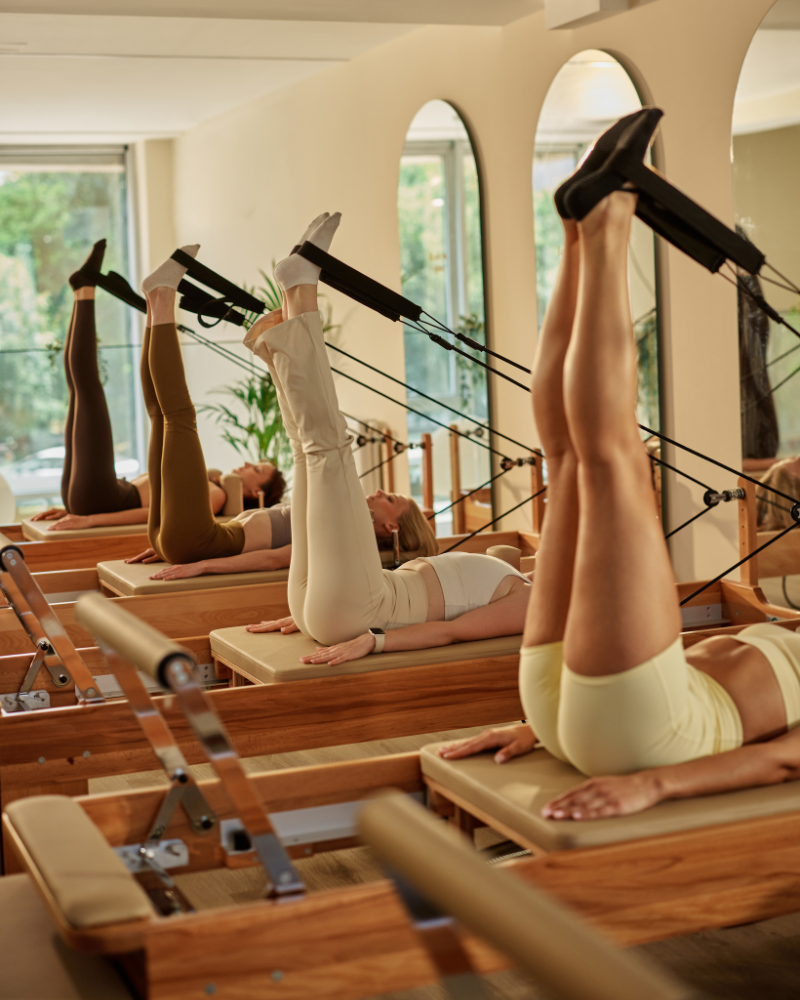
- Low-impact strength training: Building the muscles around your joints can improve support and help manage everyday loads. Strong quadriceps and hamstrings support the knees, while strong glutes and hip stabilisers help control movement through the pelvis and hips.
- Mobility and progressive loading: Walking, hiking and resistance training can support bone density, tendon capacity, balance and confidence in movement. Increase load gradually and seek professional advice if an exercise causes sharp or persistent pain.
Supplements that may support joint health
A balanced diet, adequate protein and sufficient hydration provide the foundation for joint and muscle health. Some supplements may offer additional support, although the evidence varies and they should not replace medical advice or an appropriate exercise programme.
- Omega-3 fatty acids: EPA and DHA, found in fish oil, have anti-inflammatory effects and may help some people manage joint tenderness or stiffness.
- Glucosamine and chondroitin: These compounds are components of cartilage. Research findings are mixed, but some people with osteoarthritis report modest symptom relief after consistent use.
- Collagen peptides: Collagen provides amino acids used throughout connective tissue. Some studies suggest that particular collagen supplements may modestly support joint comfort, although products and doses vary.
- Turmeric or curcumin: Curcumin has anti-inflammatory properties and may help reduce osteoarthritis symptoms in some people. It can interact with medicines, including blood thinners, so check with a pharmacist or doctor before taking it.
If you take medication, have a medical condition, are awaiting surgery or are unsure which supplement is suitable, speak to a healthcare professional first.

A practical roadmap for maintaining joint mobility
Try building these simple habits into your daily and weekly routine:
- Every morning: Spend two minutes on gentle ankle circles, knee bends and comfortable hip-opening movements to ease your body into the day.
- Every day: Aim for 20–30 minutes of walking, adapted to your current ability, to support circulation, joint movement and lower-body strength.
- Two or three times a week: Include resistance exercises for the glutes, quadriceps, hamstrings and calves using body weight, bands or weights.
- Throughout the week: Break up long periods of sitting with short movement breaks, particularly if your legs and ankles are prone to feeling heavy or puffy.
- In the kitchen: Prioritise hydration, protein and a varied diet rich in fruit, vegetables, whole grains, healthy fats and other anti-inflammatory foods.
Your joints are living tissues that respond to the way you move and load them. By supporting them with regular movement, protecting them with stronger muscles and taking a considered approach to nutrition and inflammation, you can help your hips, knees and ankles remain mobile and resilient through menopause and beyond.