Article: Midlife Crepiness & Slack Skin: Why Everything Seems to Change Overnight (And What to Do About It)
Midlife Crepiness & Slack Skin: Why Everything Seems to Change Overnight (And What to Do About It)

If you have recently looked at your thighs, knees or upper arms and wondered how your skin texture could possibly change so noticeably within a single year, you are not imagining it.
Many women feel as though they woke up one morning with entirely new skin: texture that looks crepey, like finely crinkled tissue paper, as well as looser and less resilient to the touch.
There is a biological reason why skin changes can accelerate during midlife. Here is the science behind what happens to skin around menopause, why areas such as the thighs and knees can be particularly affected, and what you can realistically do to support your skin from the inside out.
The menopause acceleration: you are not imagining it
Before perimenopause, skin ageing is generally a gradual process influenced by genetics, sun exposure, lifestyle and time. Menopause introduces a significant hormonal change.
Skin contains oestrogen receptors, and oestrogen helps support several processes involved in skin thickness, hydration and elasticity. It influences fibroblasts, the cells responsible for producing collagen, elastin and other components of the skin’s supportive structure.
As oestrogen levels fluctuate and eventually decline, the skin may produce less collagen and retain less moisture. The result can be thinner, drier and less elastic skin that appears to change more quickly than it did before.
- Accelerated collagen loss: Research suggests that skin collagen may decline by as much as 30% during the first five years after menopause, although the rate varies between individuals.
- Reduced elasticity: Changes to collagen and elastin make it harder for the skin to spring back after it has been stretched or pinched.
- Lower hydration: Menopausal skin often produces fewer natural oils and holds less water, contributing to dryness and making fine creasing more visible.
This combination helps explain why the transition can feel surprisingly sudden: several of the components responsible for keeping skin plump, supple and resilient are changing at the same time.

Why thighs and knees can suddenly look crepey and slack
Crepey skin is different from a single expression line or wrinkle. It tends to involve more widespread thinning, dehydration and loss of elasticity, creating a finely crinkled texture across a larger area.
The thighs and knees can be particularly vulnerable for several reasons:
- A large, mobile surface area: The skin across the thighs and knees stretches, folds and moves constantly. As it becomes thinner and less elastic, changes in texture are easier to see.
- Gravity and repeated movement: Reduced elasticity means the skin may not recover from movement as readily. Around the knees, this can contribute to lines, folds and a looser appearance above the kneecap.
- Changes beneath the skin: Ageing can alter the distribution of subcutaneous fat, while declining muscle mass reduces some of the underlying support. Together, these changes may make the surface look less smooth and firm.
- Cumulative sun exposure: UVA exposure gradually damages collagen and elastin. Areas regularly exposed in skirts, shorts or swimwear may therefore show more pronounced changes over time.

How to help: a structural skincare toolkit
You cannot completely reverse a major biological transition, but you can support the skin barrier, improve the appearance of texture and help preserve the structures beneath the skin.
1. Discuss hormone replacement therapy with your doctor
For women who are suitable candidates, systemic hormone replacement therapy may have secondary benefits for skin hydration, thickness and elasticity. Research suggests that oestrogen therapy can support collagen production and help the skin retain moisture.
However, HRT is prescribed according to an individual’s overall symptoms, health history, age and personal risk profile – not as a cosmetic skin treatment. If you are considering it, discuss the potential benefits and risks with a GP or menopause specialist.
2. Use targeted topical ingredients
To improve the appearance of crepey body skin, look beyond a basic moisturiser and choose products that combine long-lasting hydration with ingredients that support surface renewal and resilience.
- Retinoids or retinol body lotions: Retinoids can encourage cell turnover and support collagen production over time. Introduce them gradually, use sunscreen on exposed skin and avoid retinoids during pregnancy unless advised otherwise by a doctor.
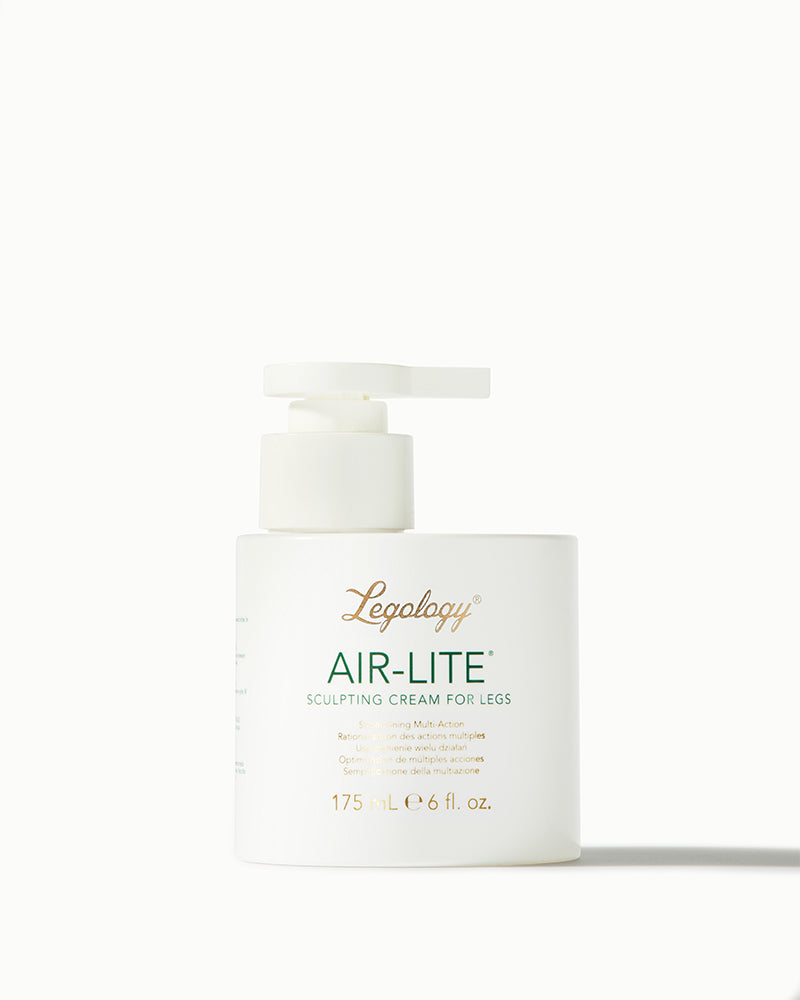
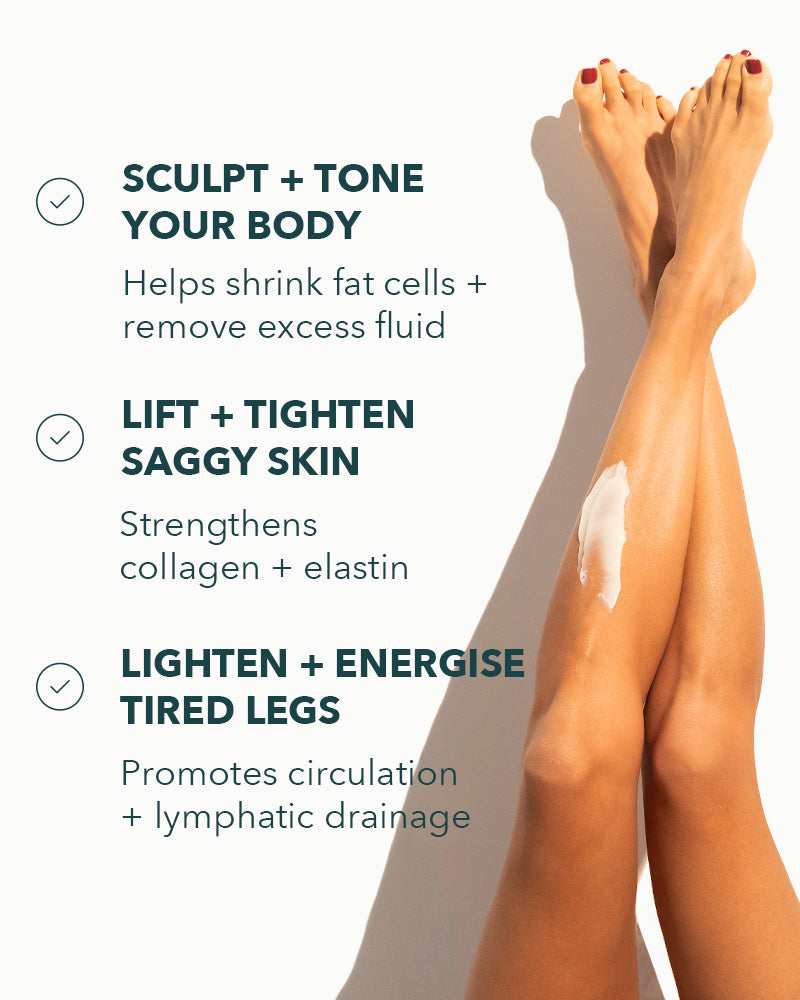
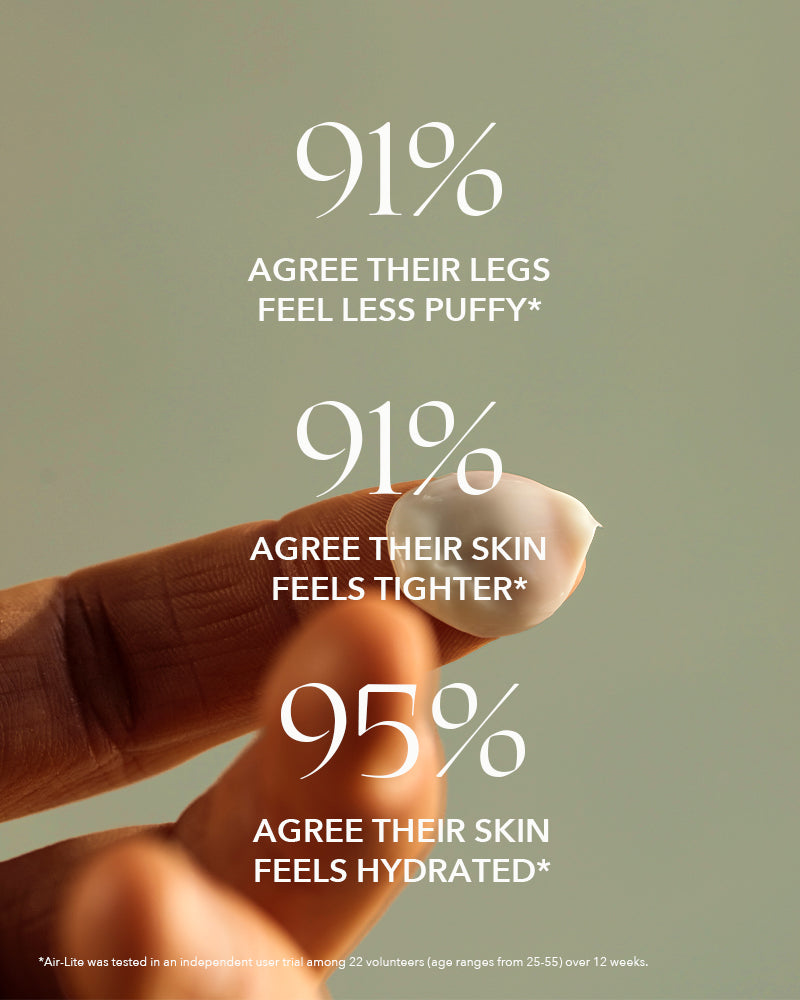
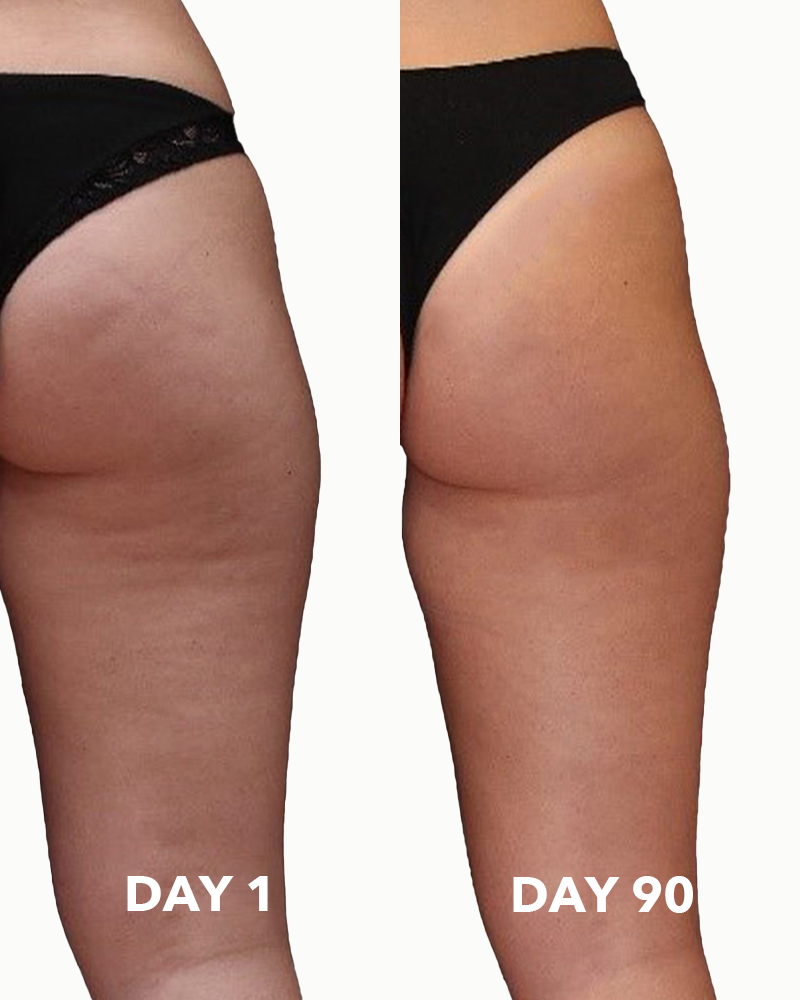
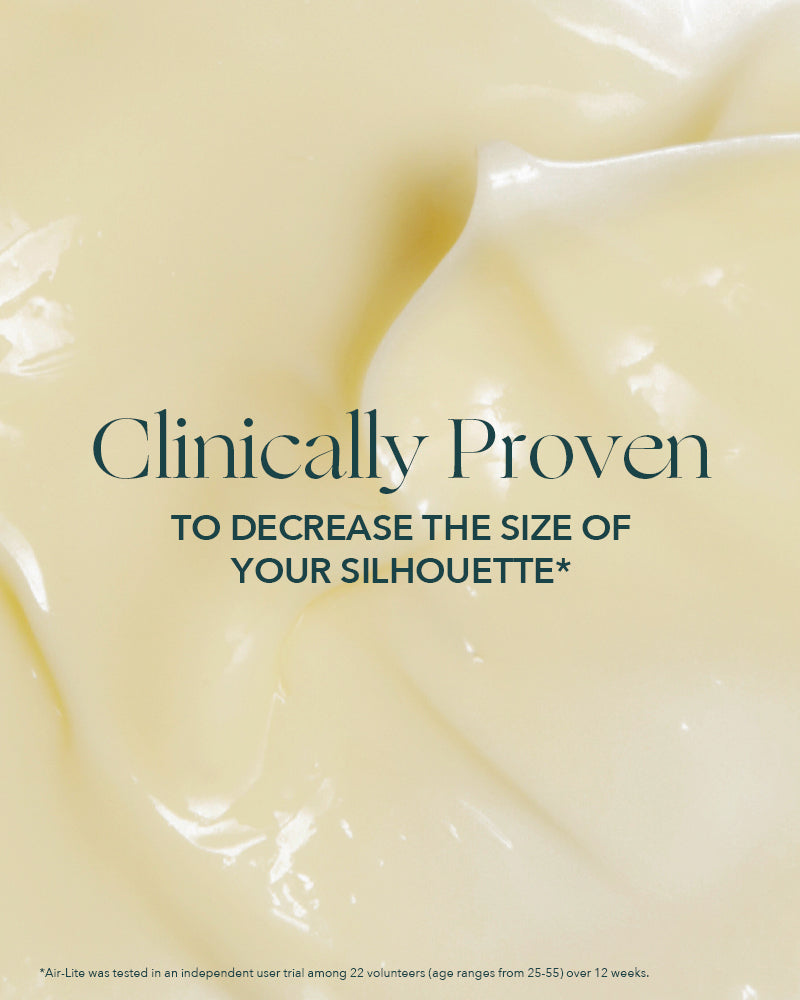
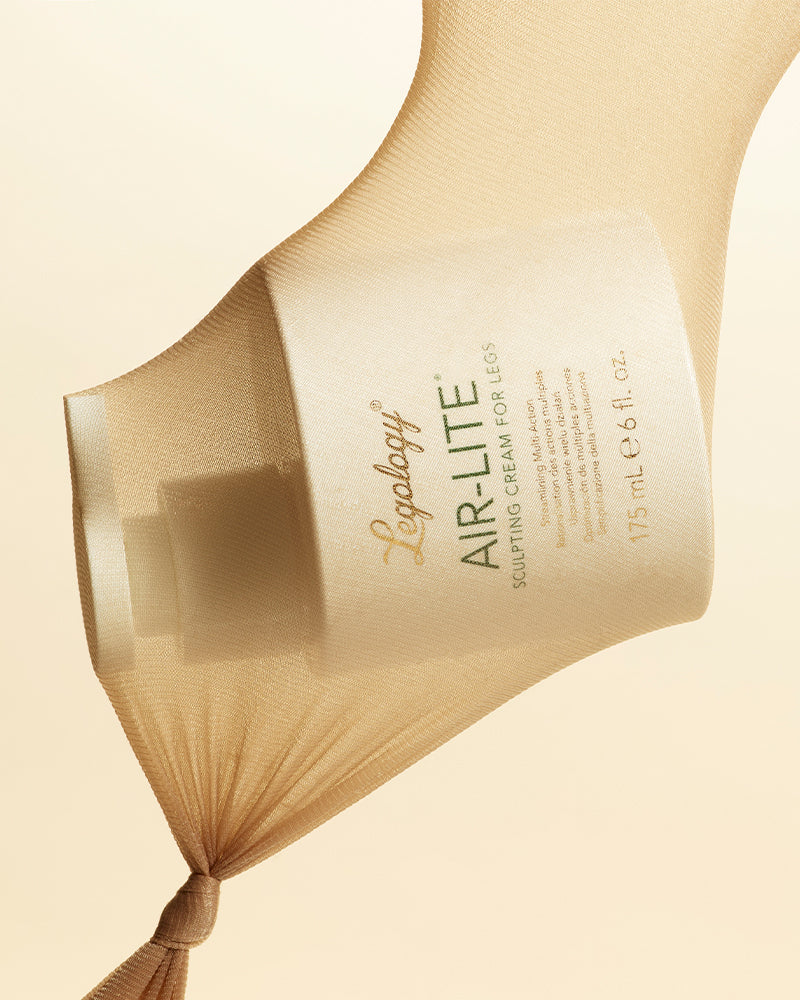
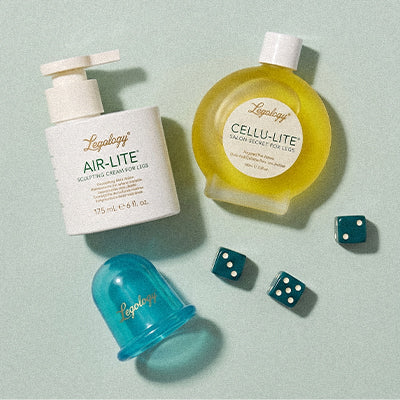
- Firming and hydrating body creams: A targeted body cream such as Legology Air-Lite helps deeply hydrate and improve the appearance of elasticity and firmness, leaving crepey-looking skin smoother and more supple.
- Lactic acid lotions: Lactic acid is an alpha-hydroxy acid that gently loosens dry surface cells while also acting as a humectant. This combination can make rough, finely crinkled skin look smoother and feel softer.
- Barrier-supporting moisturisers: Ingredients such as glycerin, hyaluronic acid, ceramides and squalane help reduce moisture loss and temporarily plump dehydrated skin.
- Broad-spectrum SPF: Daily UVA and UVB protection on exposed arms and legs helps prevent further collagen and elastin damage.
3. Build the underlying scaffolding
Skin is only one part of the picture. Preserving and building the muscle beneath it can improve strength, shape and the overall appearance of the area.
- Include progressive lower-body resistance exercises such as squats, split squats, step-ups, hip thrusts and leg presses.
- Train the quadriceps, hamstrings and glutes two or three times a week, allowing adequate recovery between sessions.
- Increase resistance gradually rather than assuming that every session needs to involve very heavy weights.
- Support muscle maintenance with adequate dietary protein, regular movement and sufficient recovery.
Strength training cannot literally tighten loose skin, but it can help preserve the underlying tissue, improve body composition and create a firmer-looking foundation.
4. Support skin from within
Skin needs a steady supply of nutrients to maintain and repair its structure. Prioritise protein, vitamin C-rich fruit and vegetables, healthy fats and adequate hydration. Avoid smoking and protect the skin from excessive sun exposure, both of which accelerate collagen breakdown.
The takeaway
If your legs or arms look different from how they did a few years ago, give yourself some grace. You are seeing the effects of hormonal change, natural ageing and changes beneath the skin – not evidence that you have failed to care for your body.
By combining targeted hydration, proven active ingredients, sun protection and progressive resistance training – and discussing wider menopause support with your doctor when appropriate – you can help your midlife skin look smoother, stronger and more resilient.