
When it comes to refining the figure and improving skin texture, intensity isn’t always better. Low-impact movement can support circulation, lymphatic flow and a consistent leg care routine that helps soften the appearance of cellulite.
Why Circuit Training & High Impact Activity Could Work Against Your Goals
In a culture that still equates transformation with intensity, it’s easy to assume that harder workouts deliver better results. More sweat. More burn. More exhaustion. These things must be good, right? Not necessarily.
When it comes to refining the figure, improving skin texture and softening the appearance of cellulite, the opposite is often true.
Low-impact movement — yoga, Pilates, barre and mindful outdoor exercise — has quietly become one of the most effective ways to reshape the body and support long-term leg care. Not through punishment, but through precision.
Why Cellulite Responds to How You Move
Cellulite isn’t just about fat. It’s influenced by circulation, lymphatic flow, connective tissue quality, muscle tone and fluid retention.
High-impact, stress-heavy exercise can sometimes work against these systems, increasing inflammation and cortisol levels, which may contribute to fluid retention and uneven skin texture.
Low-impact activity, by contrast, works with the body’s physiology — supporting circulation, movement of fluid and muscle tone that helps create smoother-looking legs.

Yoga, Pilates and Barre: Small Movements, Big Results
At first glance, these disciplines appear gentle. There’s no jumping, no sprinting, no maximal exertion. Yet they are extraordinarily effective at reshaping areas many of us struggle to change — thighs, calves, hips, seat and upper arms.
Small, Repeated Movements
Barre and Pilates rely on tiny, controlled pulses and sustained holds. These movements target deep stabilising muscles that traditional workouts often miss. When engaged consistently, the body can appear more lifted, lean and sculpted — without bulk.
Lengthening While Strengthening
Unlike some high-impact training, yoga and Pilates emphasise elongation. Longer, more supple muscles help create smoother contours and improve posture — instantly refining how the body appears.
Improved Circulation and Lymphatic Flow
Controlled movement, breathwork and muscle engagement act like a pump for the lymphatic system. This helps reduce fluid stagnation — a key contributor to the appearance of cellulite, particularly in the legs.
Nervous System Regulation
Low-impact practices calm the nervous system rather than overstimulating it. Lower stress levels support balanced hormones, reduced inflammation and healthier-looking skin.
Why Difficult Areas Respond So Well
Thighs, calves and upper arms are areas where fluid retention and circulation challenges are common. These zones benefit most from:
- Repeated muscle engagement
- Stretching and release
- Gentle but consistent stimulation
Barre’s pulsing movements, Pilates’ slow resistance work and yoga’s flowing sequences encourage these areas to tone evenly while supporting circulation and fluid movement — key for a results-focused leg care routine.
Taking It Outside: Movement That Lifts Body and Mind
Low-impact doesn’t mean staying indoors. Walking, cycling and gentle running outdoors are powerful tools for figure refinement and mood enhancement.
- Walking improves circulation and lymphatic drainage without stressing joints.
- Cycling strengthens legs while encouraging fluid movement.
- Comfortable-pace running supports endorphins and confidence without the stress spike of intense intervals.
Being outside amplifies the benefits. Natural light improves mood, regulates sleep and supports hormonal balance — all of which influence how your body looks, feels and responds to consistent leg skincare.
Why Circuit Training Often Works Against Your Goals
Circuit training classes are popular because they feel productive — but for many people, they can be counterproductive when the goal is figure refinement and reducing the appearance of cellulite.
High-intensity, stop-start workouts can:
- Increase cortisol
- Increase inflammation
- Encourage water retention
- Tighten rather than lengthen muscles
- Stress the lymphatic system rather than supporting it
The result can be a body that feels tired rather than supported — and further from the balanced, energised feeling most people are looking for.
Pair Movement With Consistent Leg Care
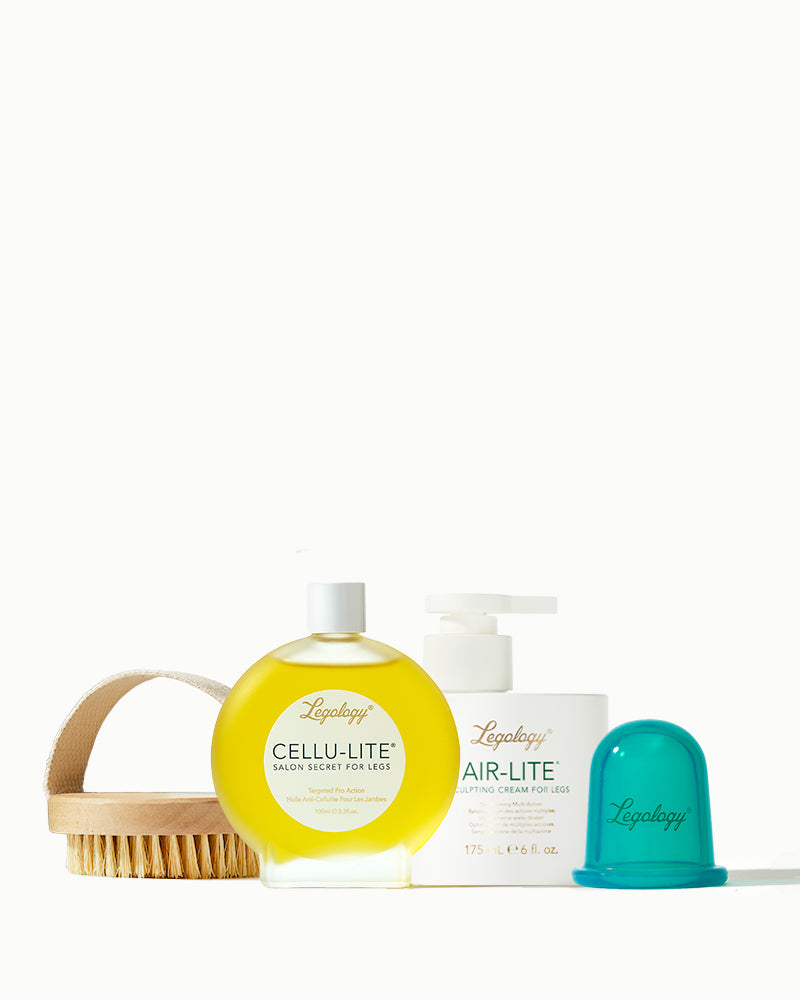
The most visible results often come from combining movement with targeted body care. A consistent leg care routine — including massage-based application and daily hydration — helps support skin texture, circulation and comfort.
When low-impact movement is combined with intelligent, targeted body care, it can help:
- Support smoother-looking skin
- Improve skin texture and tone
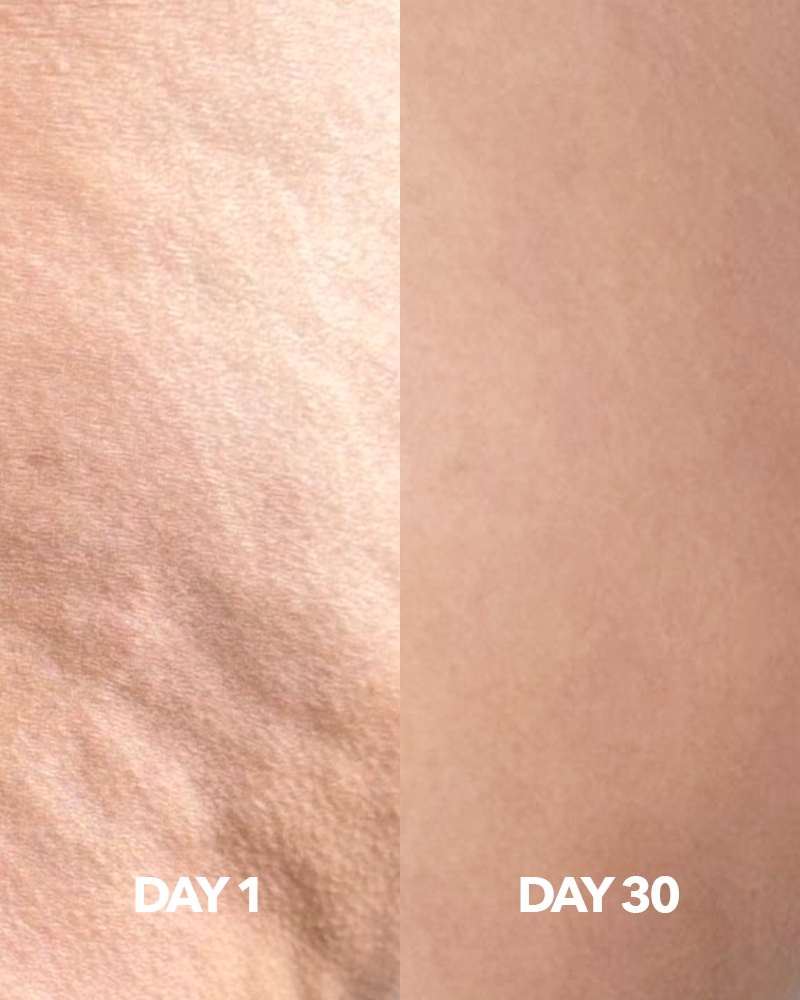
- Help reduce the appearance of cellulite over time
- Help legs feel lighter and less congested
Build Your Low-Impact Movement + Leg Care Routine
Sustainable results don’t come from extremes. They come from consistency. Choose movement that supports your body, stay hydrated, and apply targeted leg care daily to help improve skin texture and support smoother-looking legs.