
Body Hangover: Why You're Puffy, Bloated & Retaining Water (And How to Feel Better Fast)

We've all experienced a traditional hangover—a pounding head, dry mouth and the promise to never have that last glass of wine again.
But there's another kind of hangover that doesn't affect your head at all. Instead, it leaves your body feeling heavy, swollen, bloated and uncomfortable.
If you've woken up wondering why your rings suddenly feel tight, your ankles are swollen or your favourite jeans won't quite fasten, you're probably experiencing what we like to call a body hangover.
The good news? You haven't gained permanent weight overnight. Your body is simply holding onto extra fluid—and there are some very common reasons why.
What Causes a Body Hangover?
Water retention (known medically as peripheral oedema) often happens when three everyday factors come together:
- Hot weather and humidity
- Not drinking enough water
- Eating more carbohydrates and salty foods than usual
Together, these create the perfect conditions for your body to temporarily retain excess fluid.
1. Heat Makes Your Body Hold Water
When temperatures rise, your body naturally widens its blood vessels—a process known as vasodilation—to help cool itself down.
While this is essential for regulating body temperature, wider blood vessels also allow more fluid to move into surrounding tissues.
The result? Legs that feel heavy, swollen ankles and an overall feeling of puffiness.
2. Dehydration Can Actually Cause Water Retention
It sounds backwards, but dehydration often causes your body to hold onto more water.
When your kidneys detect you're not drinking enough fluids, they release hormones that encourage your body to conserve sodium and retain every available drop of water.
In other words, your body enters survival mode.
3. Carbohydrates Store Water
Enjoyed pizza, pasta or fresh bread last night?
Carbohydrates are stored in your muscles and liver as glycogen. Every gram of glycogen stored binds to approximately 3–4 grams of water.
After a carbohydrate-heavy meal, it's perfectly normal for your body to temporarily carry extra water.
Why Does Bloating Affect Your Tummy, Legs and Fingers?
Your Tummy
Large carbohydrate meals slow digestion and draw water into the digestive system, often causing abdominal bloating and discomfort.
Your Legs & Ankles
Gravity naturally pulls excess fluid downwards. Combined with heat and prolonged sitting or standing, fluid can collect in the lower legs, ankles and feet.
Your Fingers
The tiny blood vessels in your hands respond quickly to heat and changes in salt balance, making rings suddenly feel tight and fingers appear swollen.

How to Reduce Water Retention Fast
1. Drink More Water
The quickest way to reduce water retention is often to drink more water.
Once your body realises fluids are readily available, it stops conserving them and begins releasing excess water naturally.
2. Get Moving
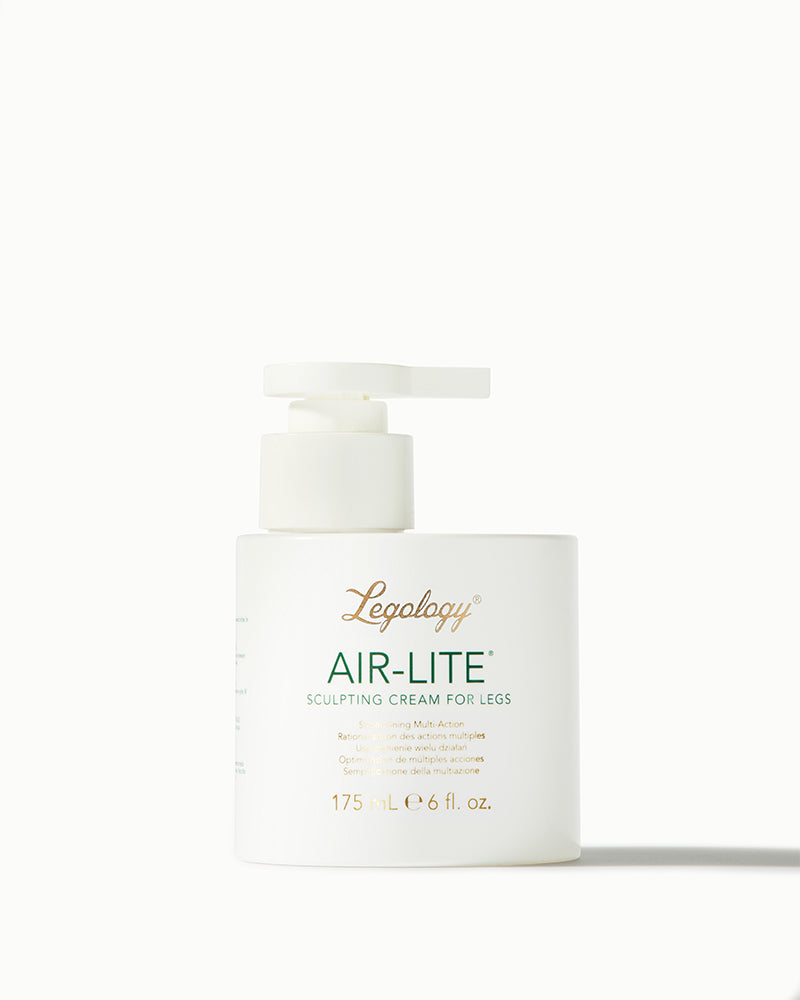
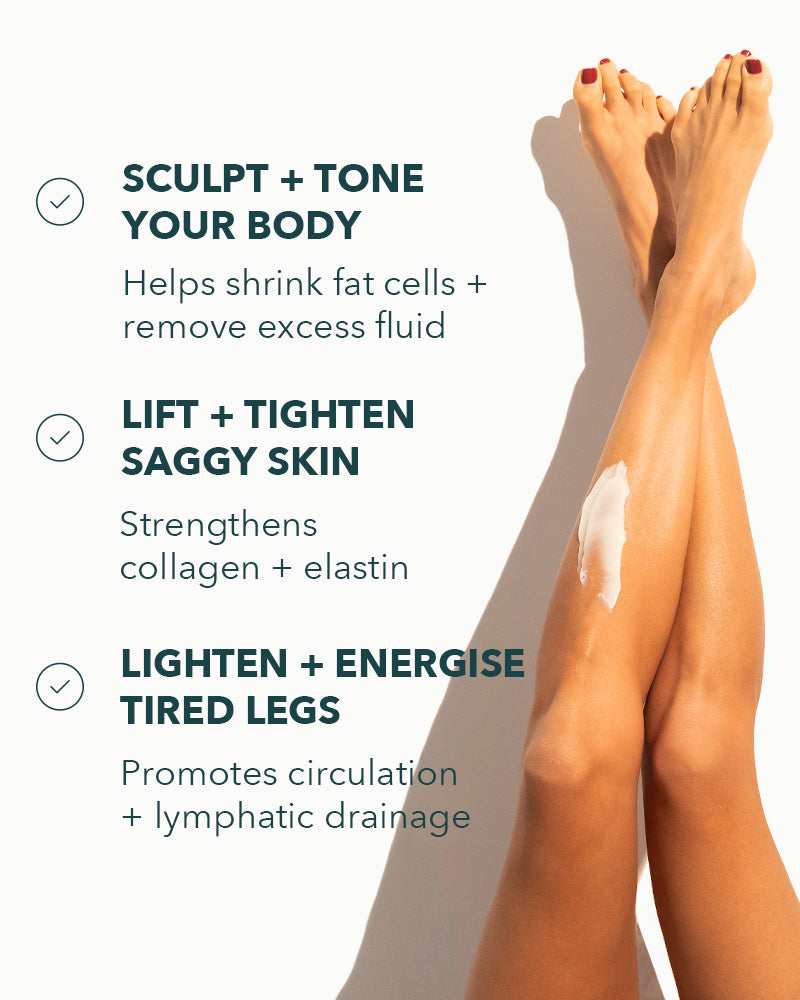
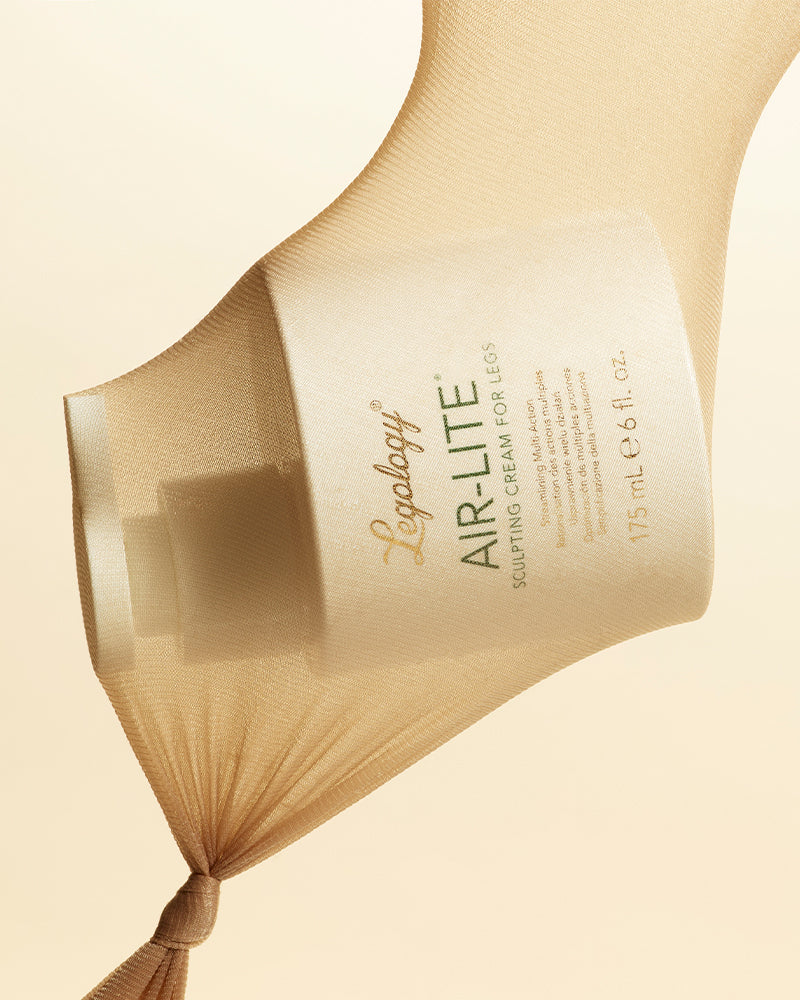
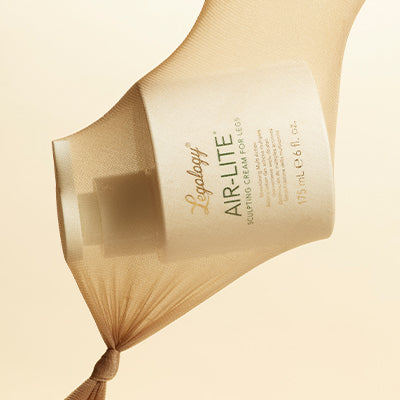
A brisk walk, gentle run or even elevating your legs helps stimulate circulation and your lymphatic system, encouraging trapped fluid to move. For an instant cooling boost, smooth on Air-Lite straight from the fridge before spending 10–15 minutes with your legs up the wall. It's the perfect ritual to help tired, puffy legs feel lighter and refreshed.
3. Eat More Potassium
Potassium helps balance sodium levels within the body.
Great sources include:
- Bananas
- Avocados
- Spinach
- Coconut water
4. Cool Down or Work Up a Light Sweat
If heat caused the swelling, a cool shower can help constrict blood vessels.
If excess salt is to blame, gentle exercise that encourages light sweating can help eliminate sodium through perspiration.
How to Prevent Water Retention
Drink Alongside Carbohydrate-Rich Meals
For every carb-heavy meal, drink a generous glass of water to help your body stay hydrated and support healthy fluid balance.
Hydrate Before Going Into the Heat
Don't wait until you're thirsty. Drinking water before spending time outdoors helps reduce dehydration-related fluid retention.
Go Easy on Late-Night Salt
Eating large, salty meals just before bed encourages fluid to pool overnight while your body is inactive.

What to Eat to Reduce Bloating
If you're feeling puffy, focus on foods that naturally support healthy fluid balance.
Breakfast
- Warm lemon water
- Porridge with banana and berries
Lunch
- Spinach salad
- Cucumber
- Celery
- Grilled chicken
- Olive oil and lemon dressing
Afternoon
- Watermelon or cantaloupe
- Dandelion root tea or green tea
Dinner
- Baked salmon
- Steamed asparagus
- Half an avocado
Continue drinking water throughout the day to help your body release excess fluid naturally.
The Best Teas for Bloating
For maximum benefit, steep herbal teas for 10–15 minutes with a lid over your mug to retain their beneficial essential oils.
- Peppermint Tea – Helps relax digestive muscles and relieve trapped gas.
- Ginger Tea – Supports digestion and helps reduce feelings of fullness.
- Dandelion Root Tea – A natural diuretic that encourages excess water to leave the body.
- Fennel Tea – Helps ease bloating and digestive discomfort.
- Hibiscus Tea – May support healthy fluid balance by influencing aldosterone activity.
- Chamomile Tea – Calms both the digestive system and the nervous system.
The Bottom Line
A body hangover is uncomfortable, but it's almost always temporary.
Whether it's been caused by a hot day, travelling, dehydration or an indulgent meal, your body simply needs time—and a little support—to restore its natural fluid balance.
Drink plenty of water, move your body, eat potassium-rich foods and be kind to yourself. In most cases, the puffiness will disappear within 24 to 48 hours.