
Does cupping work on your legs? Cupping uses gentle suction and gliding massage to help support circulation and encourage lymphatic flow, which can leave legs feeling lighter and skin looking smoother. When used as part of a regular bodycare routine, cupping for cellulite may also temporarily improve the look and feel of dimpled or uneven skin on the thighs and legs.
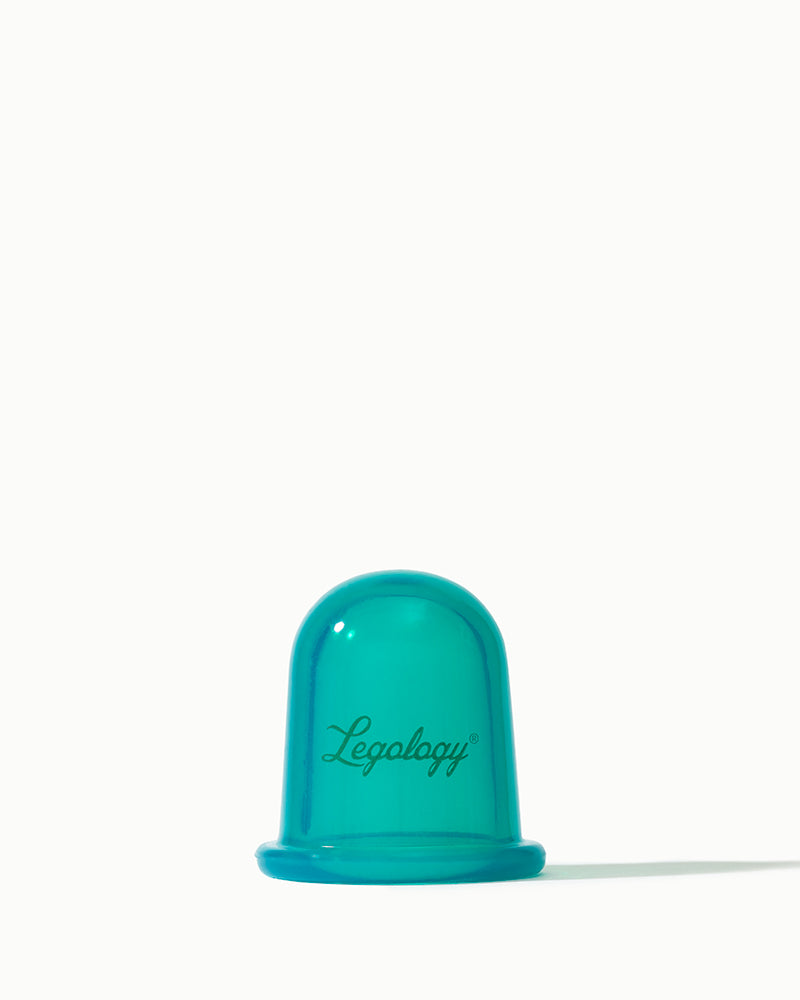
At Legology, we call this squeeze therapy, a cosmetic, feel-good technique rather than a medical treatment that can be easily practised at home with a suction massage cup like Circu-Lite.
What Is Cupping Therapy for Legs?
Cupping is a technique that uses suction to lift the skin and stimulate the area underneath.
Traditional practitioners have used suction cups for many years as part of body treatments designed to encourage movement, circulation and flow.
When used on the legs, cupping therapy is often chosen by people who want to target the appearance of cellulite, fluid retention and heavy-feeling limbs.
What Are The Benefits Of Cupping Your Legs?
Done regularly, cupping is a simple way to give tired-looking legs a lift. The benefits are cosmetic, and they build with consistent use:
- Lighter-feeling legs — the gliding suction encourages the feeling of circulation and lymphatic movement, so legs feel less tired and heavy.
- Smoother, more toned-looking skin — regular cupping helps skin look firmer and more even.
- Softens the look of cellulite — by working over congested areas, cupping can help minimise the appearance of dimpling.
- A feel-good ritual — a few relaxing minutes that fits neatly into your leg-care routine, especially after a bath or shower when skin is warm.
Think of it as a supporting act to a healthy, active lifestyle — not a substitute for one.
How Does Cupping Work?
The suction created by a cup draws blood to the surface of the skin. In professional treatments, this can leave temporary marks or bruising.
The idea behind cupping is that this stimulation helps increase local circulation and supports the tissues underneath the skin.
For at-home bodycare, running cupping is usually the most practical option because the cup is moved continuously over the skin rather than left in one place.
Where to Cup on Your Legs
The golden rule of leg cupping is simple: always work upwards, towards the heart. This follows the natural direction of lymphatic flow.
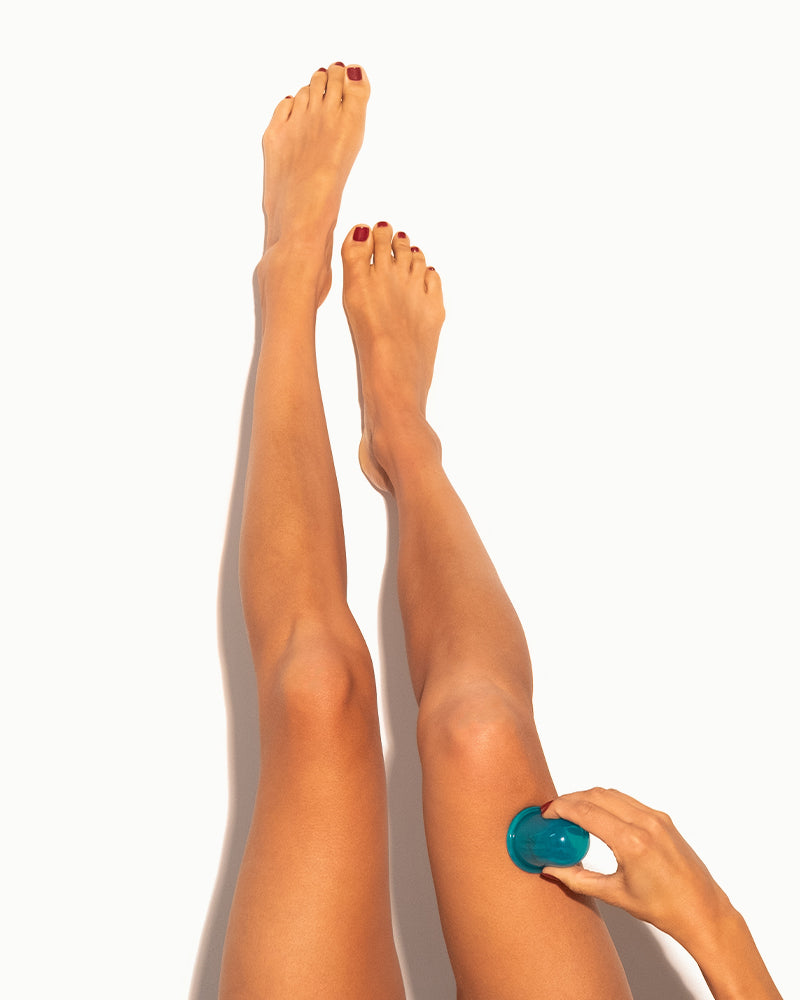
- Calves — glide from ankle up towards the knee.
- Thighs — work from just above the knee up towards the hip, front and outer thigh.
- Backs of thighs — the classic "congested" zone for the look of cellulite; glide upwards towards the buttock.
Where not to cup: avoid the back of the knee (delicate, and rich in lymph nodes), the inner thigh close to the groin, any broken or irritated skin, and directly over varicose or thread veins.
How Can Cupping Help the Look of Cellulite?
Cellulite is influenced by several factors, including circulation, fluid retention, skin structure and lifestyle.
That is why cupping for cellulite is often used as part of a broader bodycare routine rather than as a standalone fix.
The suction and massage effect may help temporarily improve the appearance of skin by encouraging movement of fluid and boosting circulation in targeted areas such as the thighs.
With repeated use, many people use cupping therapy on legs to help skin look smoother, more toned and less puffy.
What Is the Difference Between Stationary and Running Cupping?
There are two common approaches to cupping for legs: stationary cupping and running cupping.
Stationary cupping
With stationary cupping, the cup is left in one place for a set amount of time. This method is more commonly used in professional treatments.
Running cupping
With running cupping, the cup is moved across the skin while maintaining suction. This is the method most closely associated with body massage and cellulite routines.
Circu-Lite is inspired by running cupping. To help the cup glide smoothly, apply a body oil or treatment product first, then move the cup upwards over the legs using steady strokes.
How to Use a Suction Cup for Cellulite at Home
If you want to try a suction cup for cellulite at home, always start gently and use enough slip on the skin.
- Apply a body oil, serum or cellulite treatment to clean skin.
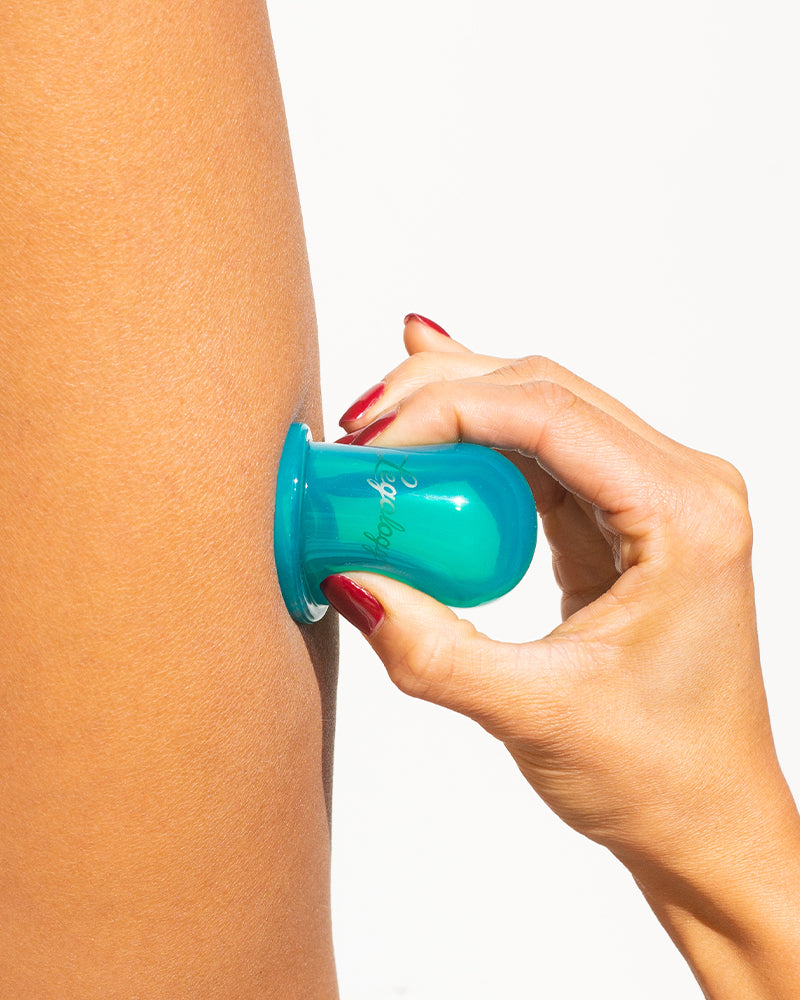
- Squeeze the cup and place it on the skin to create suction.
- Glide it upwards over the legs using controlled movements.
- Repeat each movement several times over the same area.
- Reduce pressure if the suction feels too strong.
Avoid overworking one area, especially when you are new to cupping therapy.
Is Leg Cupping Safe? When to Avoid It
For most people, leg cupping is perfectly safe as a cosmetic at-home routine. A few things to know:
- Temporary marks are normal. Cupping can leave faint circular redness for a short while — this fades and is nothing to worry about. Start with gentle suction and build up.
- Avoid cupping over varicose or thread veins, broken or irritated skin, or any area that feels sore.
- Not recommended during pregnancy.
- Check with your doctor first if you have a vein or circulatory condition, a history of blood clots (DVT), or any persistent, painful or one-sided leg swelling. Cupping is a beauty ritual, not a treatment for a medical problem — if something doesn't feel right, always see a healthcare professional.
How Long Does It Take to See Results?
Results vary depending on the person, the area being treated and how consistently the method is used.
Some people notice that their legs look less puffy and feel more energised quite quickly, while visible improvements in skin texture usually take more consistent use.
For best results, combine cupping therapy for legs with regular movement, hydration and targeted bodycare products.

Legology’s Take on Cupping for Cellulite
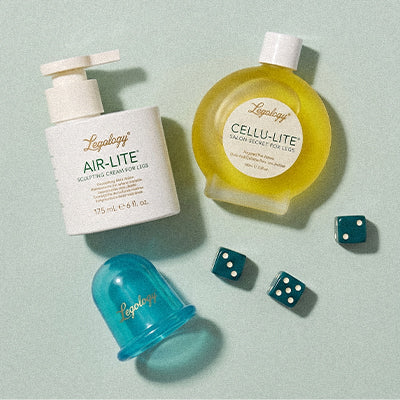
If you want the benefits of running cupping in a simple at-home format, Circu-Lite Squeeze Therapy For Legs is designed to fit easily into your routine.
Use it with your favourite Legology body product to support smoother-looking, more sculpted-looking legs and to enhance your self-massage ritual at home.
Final Thoughts
Cupping therapy for legs can be a useful addition to a cellulite routine, especially if you want to support circulation and improve the temporary appearance of skin texture.
While it is not a magic fix, consistent use, the right technique and a well-rounded legcare routine can make a visible difference over time.