
When we think about fluid retention in the legs—puffiness around ankles, swelling behind knees, or that heavy, congested feeling by the end of the day—we often blame salt, sitting too long, or hormones. But there’s another surprisingly common contributor that’s hiding in plain sight: what you’re wearing.
Socks, underwear, hosiery, and fitness leggings that are too tight in key areas can interfere with the body’s lymphatic flow, encouraging fluid to pool where it shouldn’t. Over time, this can show up as swelling, discomfort, and that familiar ‘tight’ feeling in the lower body.
Let’s unpack why this happens, and what to swap the culprits for.
A Quick Primer: How Lymphatic Drainage Works
The lymphatic system is your body’s drainage network. It helps move excess fluid, cellular waste, and proteins out of tissues and back into circulation. Unlike blood, lymph doesn’t have a pump like the heart—it relies on:
- Muscle movement
- Breathing
- Gentle pressure changes
- Clear, unobstructed pathways
Lymph vessels are delicate and sit close to the surface of the body. That means external compression in the wrong places can slow or block flow.
When lymph can’t move freely, fluid accumulates in nearby tissues. Hello, puffiness.

The Problem Zones: How Tight Clothing Can Cause Fluid Retention
Not all compression is bad, but where and how pressure is applied matters a lot.
Ankles and Sock Lines
Tight sock cuffs are one of the most common culprits. A narrow elastic band digging into the ankle can act like a dam, preventing lymph and fluid from moving upward. The result? Swollen feet and ankles by the end of the day, even if the rest of the sock feels comfortable.
Behind the Knees
Leggings or hosiery that crease tightly behind the knees can interfere with lymph flow through the popliteal area, a major lymphatic crossroads. This can contribute to lower-leg heaviness and swelling below the knee.
Crotch and Upper Thighs
Underwear, shapewear, or leggings with tight seams or aggressive compression at the groin can obstruct lymph flow from the legs into the pelvic lymph nodes. This doesn’t just affect the thighs, it can impact drainage from the entire lower body.
Quick check: If you have deep sock lines, waistband dents, numbness, or a “release” feeling when you undress, your clothing may be interrupting flow.
Supportive vs Tight Clothing: What Affects Circulation
Many garments are marketed as ‘supportive’ or ‘shaping’ but true support works with the body, not against it.
Problematic features include:
- Hard elastic bands that dig in
- Sharp compression transitions (tight-to-loose edges)
- Thick seams crossing lymph-heavy areas
- One-size-fits-all pressure that doesn’t adapt to movement
These create bottlenecks, where fluid slows down or pools.
What to Look for in Lymph-Friendly Hosiery and Legwear
If you want clothing that supports circulation and lymph flow rather than impeding it, here’s what matters:
Smooth, Graduated Pressure
Look for garments with even, gradual support rather than abrupt tight zones. Pressure should feel distributed, not concentrated in one narrow line.
Soft Waistbands and Cuffs
A wide, soft waistband or sock top is far better than a narrow elastic band. The goal is to hold without cutting in.
Seam Placement That Respects Flow
Flat seams and thoughtfully placed panels help prevent localised pressure points—especially around the crotch, knees, and ankles.
Stretch That Moves With You
Fabrics should stretch and rebound as you move, allowing muscle contractions to naturally assist lymph flow instead of resisting it.
Support Without Pinching
You should be able to wear the garment all day without visible indentations, numbness, or a feeling of pressure buildup. If you see deep lines when you take it off, that’s a sign lymph flow may have been restricted.
Signs Your Clothing May Be Restricting Lymphatic Drainage
If your legs feel lighter when you go barefoot, switch socks, or change out of leggings, that’s valuable feedback. Clothing shouldn’t leave you feeling swollen, heavy, or relieved when it finally comes off.
Supporting lymphatic flow doesn’t require medical-grade compression or extreme solutions—often, it’s about choosing designs that respect the body’s natural pathways, and applying the right body products before dressing.
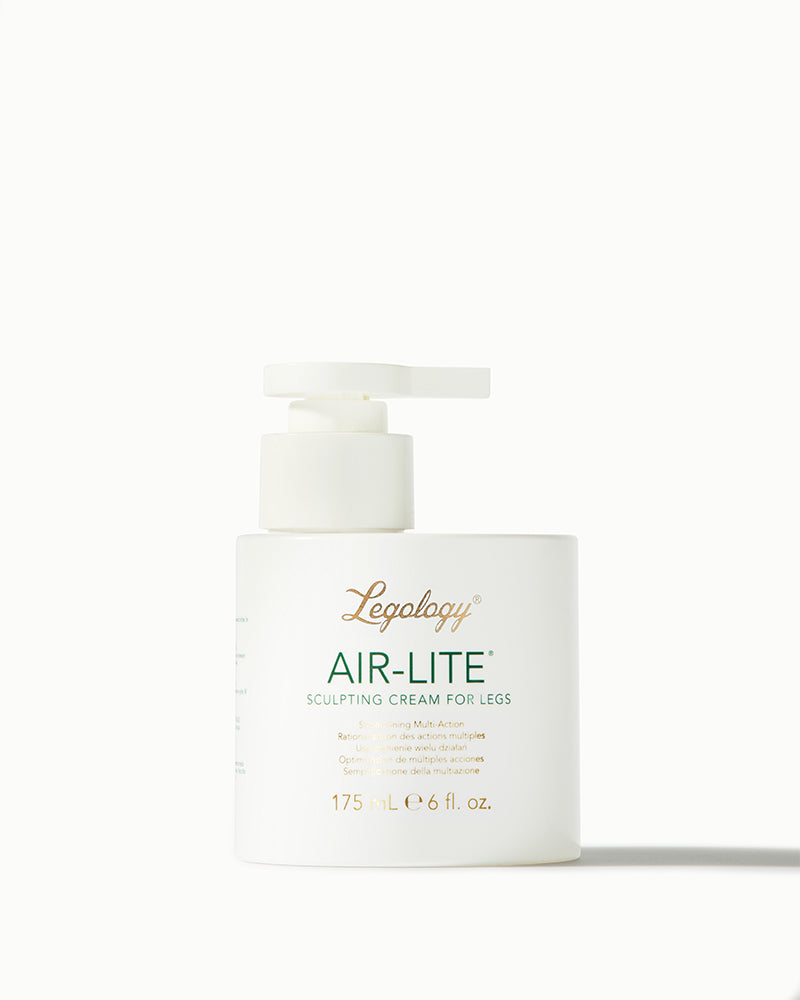
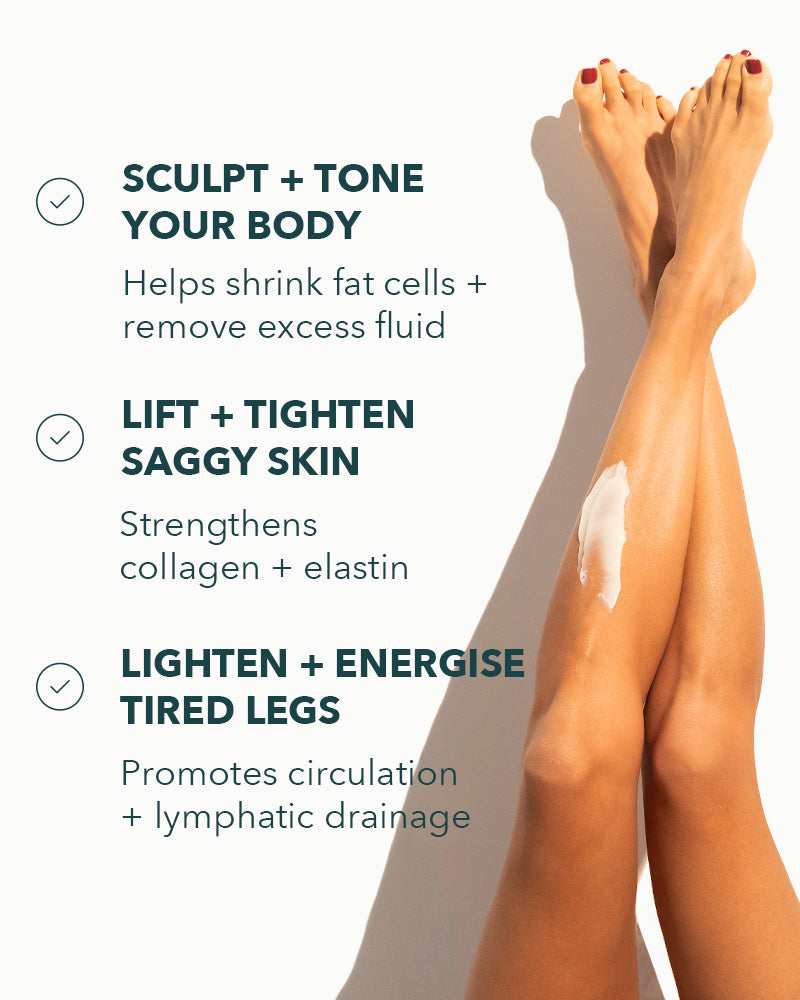
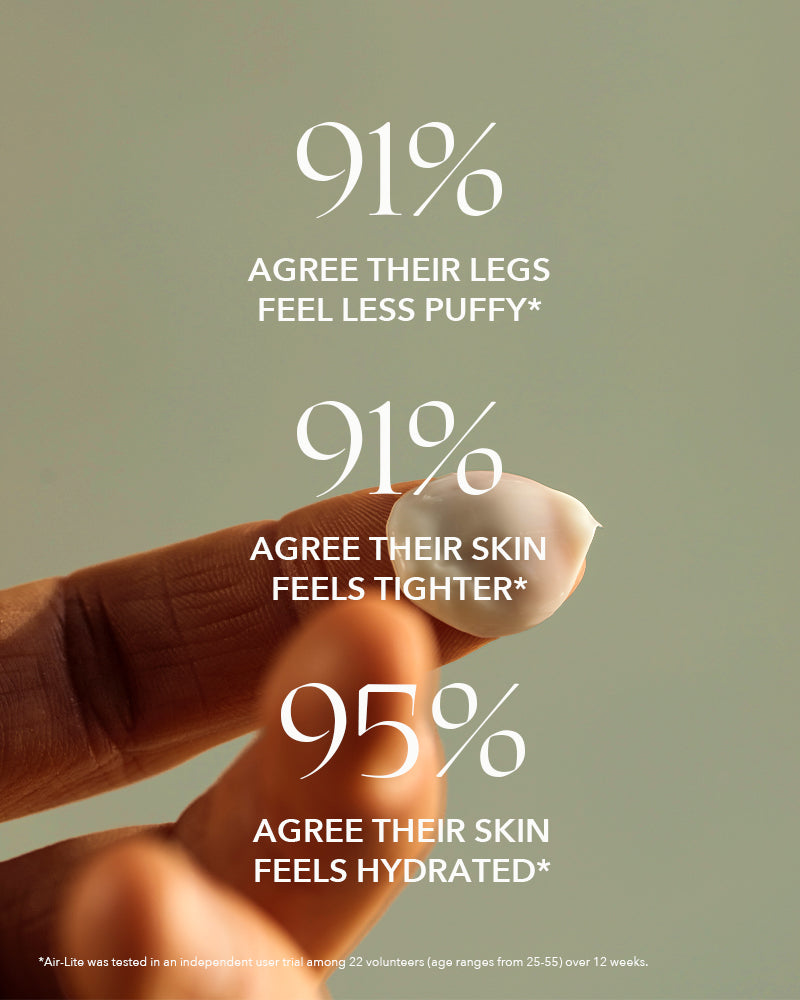
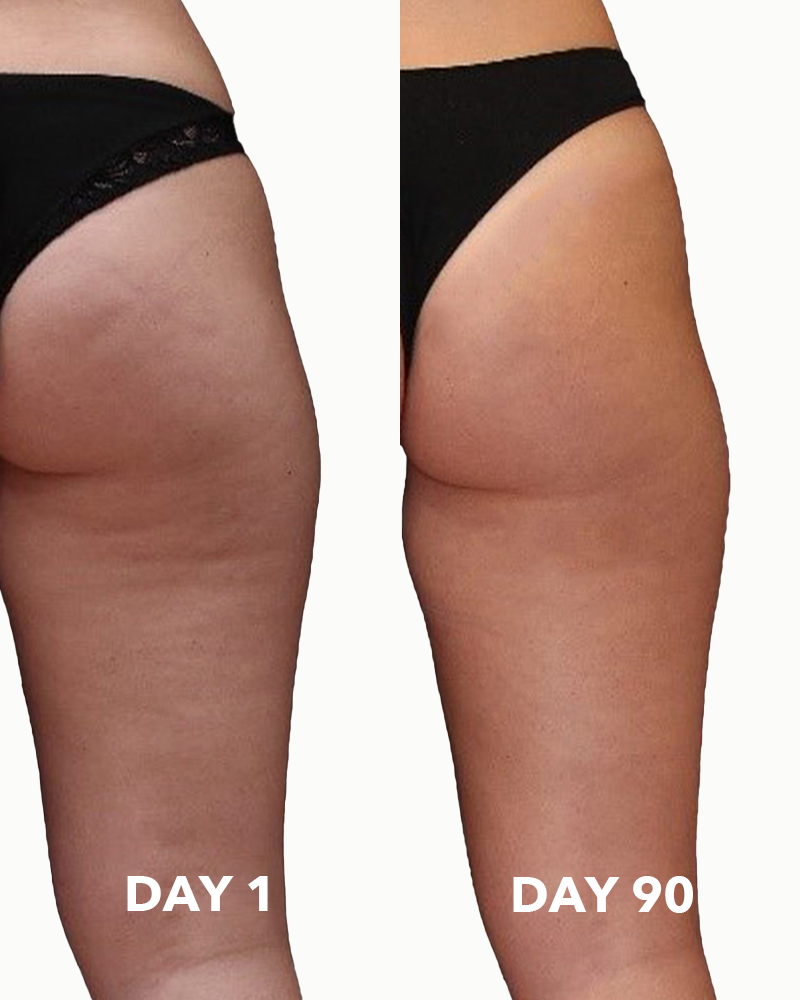
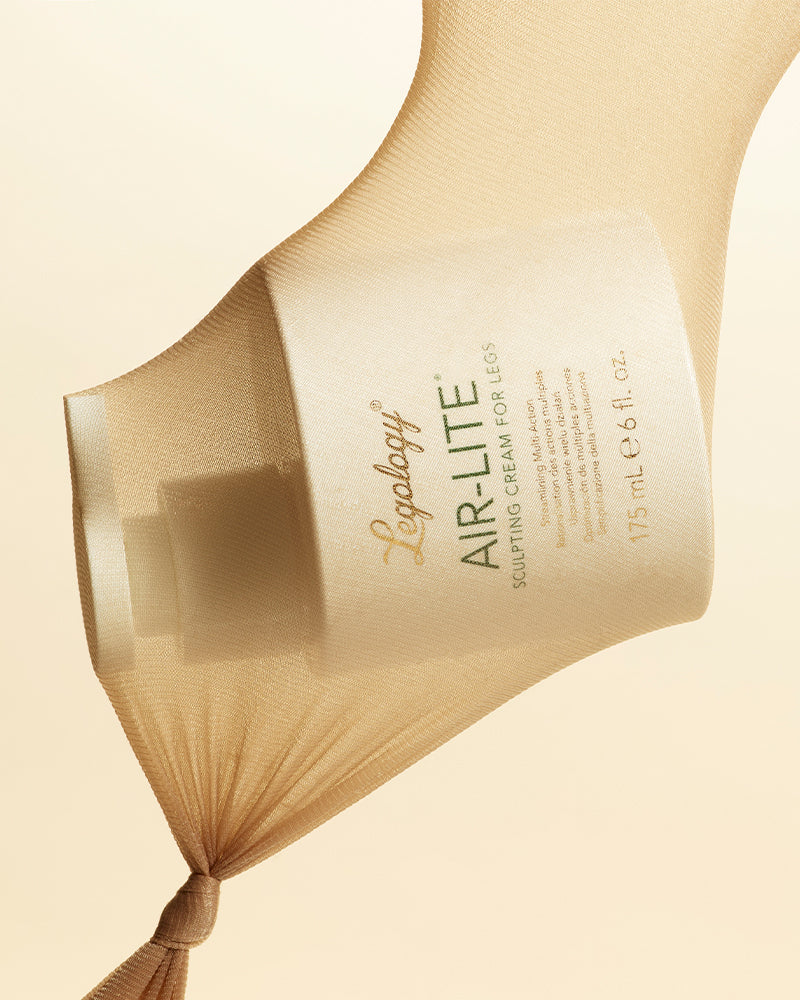
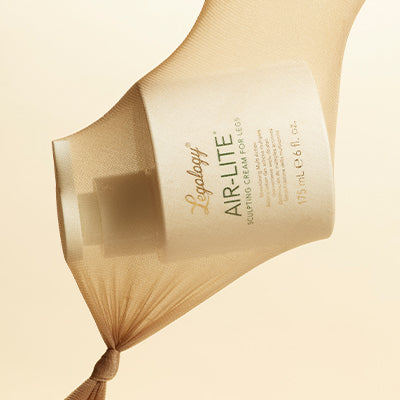
Legology’s Air-Lite is designed to promote lymph and circulation, making it the perfect lower body moisturising cream throughout the year—so under socks and tights in winter or on bare legs prone to heat puff in summer.

The Bottom Line
Your lymphatic system thrives on movement, gentle support, and uninterrupted flow. Tight socks, restrictive underwear, and poorly designed leggings can quietly disrupt that balance—especially at the ankles, knees, and groin.
The good news? With smoother lines, thoughtful support, and pressure that works with your anatomy, what you wear can become part of the solution rather than part of the problem.
Your legs carry you through the day. They deserve clothing that lets them breathe, move, and drain properly.