
How Much Can You Really Change Your Legs?

It's one of the questions we're asked most often at Legology:
"How much of my legs is genetic—and how much can I actually change?"
The answer is probably more encouraging than you think.
While your bone structure, leg length and natural body shape are largely determined by genetics, many of the concerns people notice—such as cellulite, heavy legs, fluid retention, skin texture and even the appearance of stretch marks—are heavily influenced by lifestyle.
Your legs work incredibly hard throughout your lifetime. The good news is that with the right daily habits, you can support healthier circulation, improve skin quality and help your legs look and feel their best.

Genetics vs Lifestyle: What Can You Actually Change?
Your genes provide the blueprint for your body, including:
- Leg length
- Bone structure
- Natural fat distribution
- Skin elasticity
- Collagen production
But your everyday choices influence how that blueprint is expressed.
Movement, hydration, nutrition, skincare and circulation all affect how your legs look and feel over time.
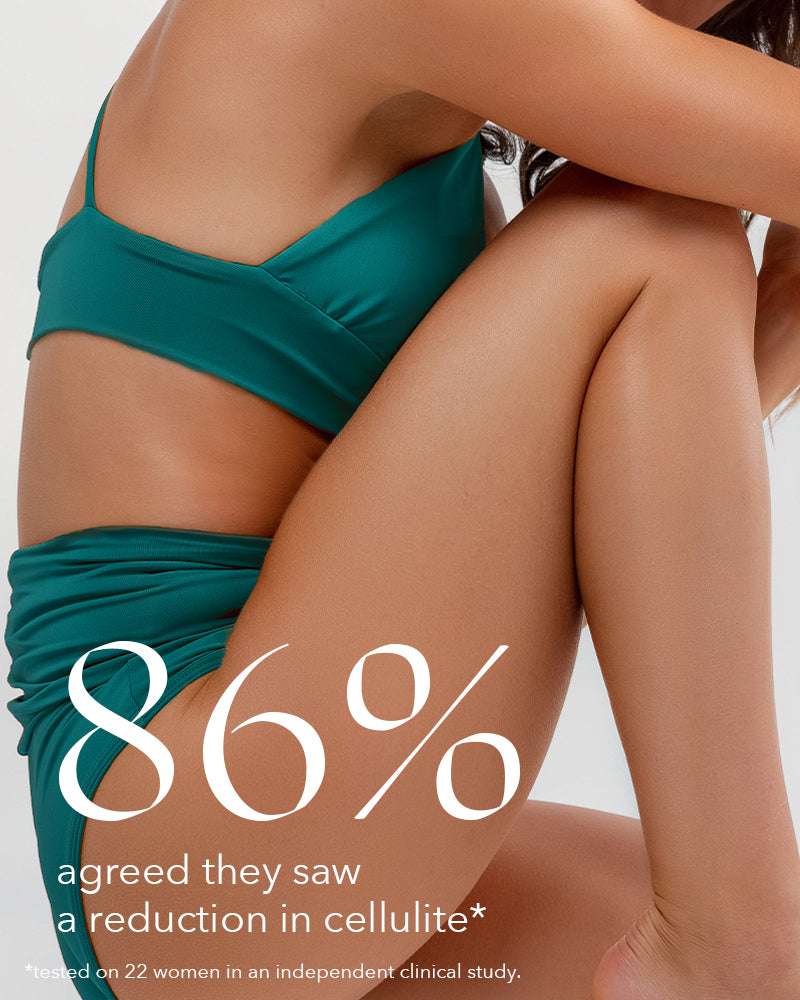
Can You Improve Cellulite?
Yes—but it's important to understand what cellulite really is.
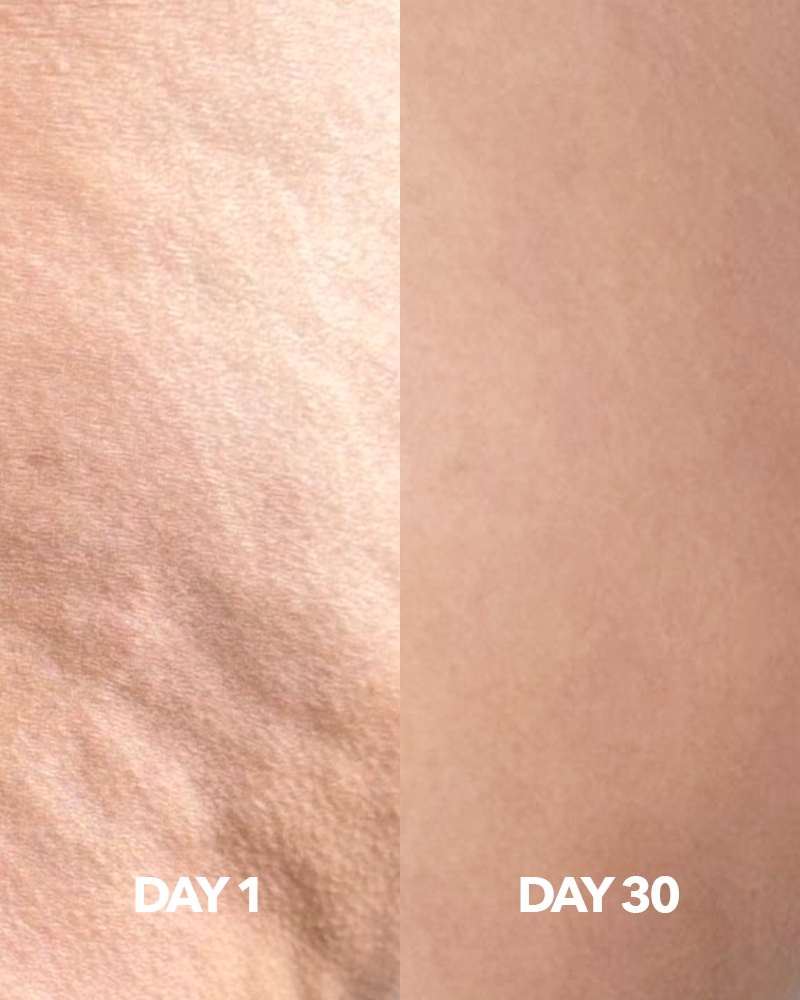
Genetics influence where your body stores fat and how quickly collagen naturally declines. However, lifestyle plays a significant role in how visible cellulite becomes.
Healthy circulation and an efficient lymphatic system help reduce fluid congestion around fat cells, improving skin texture and helping dimples appear less noticeable.
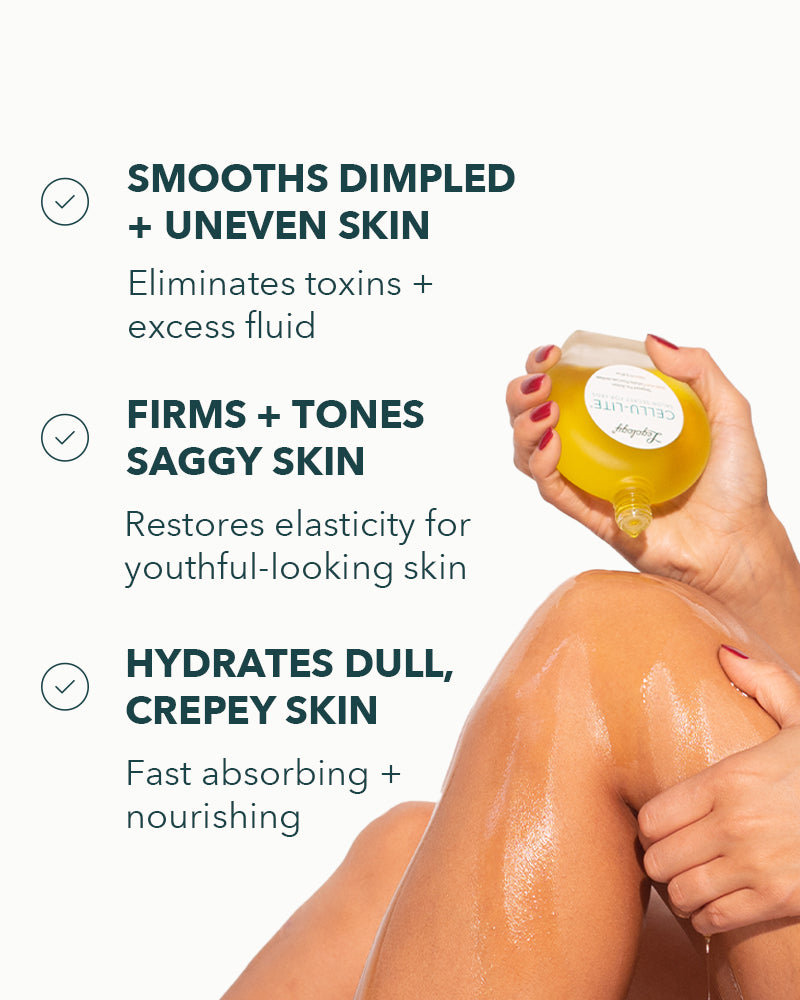
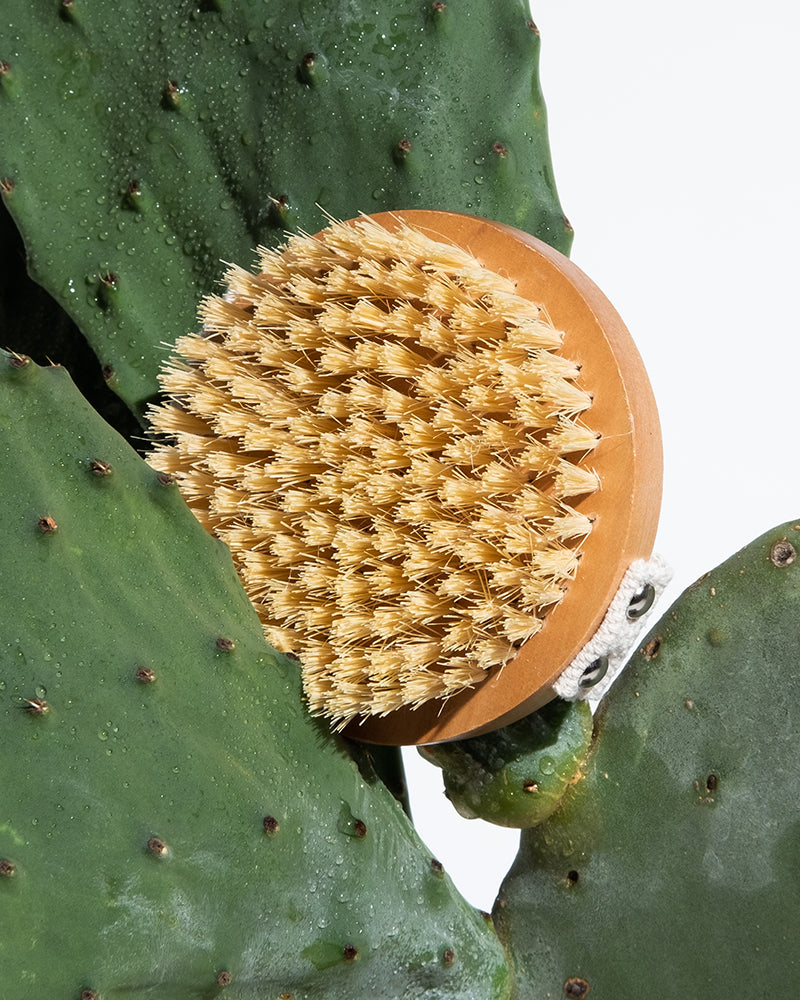
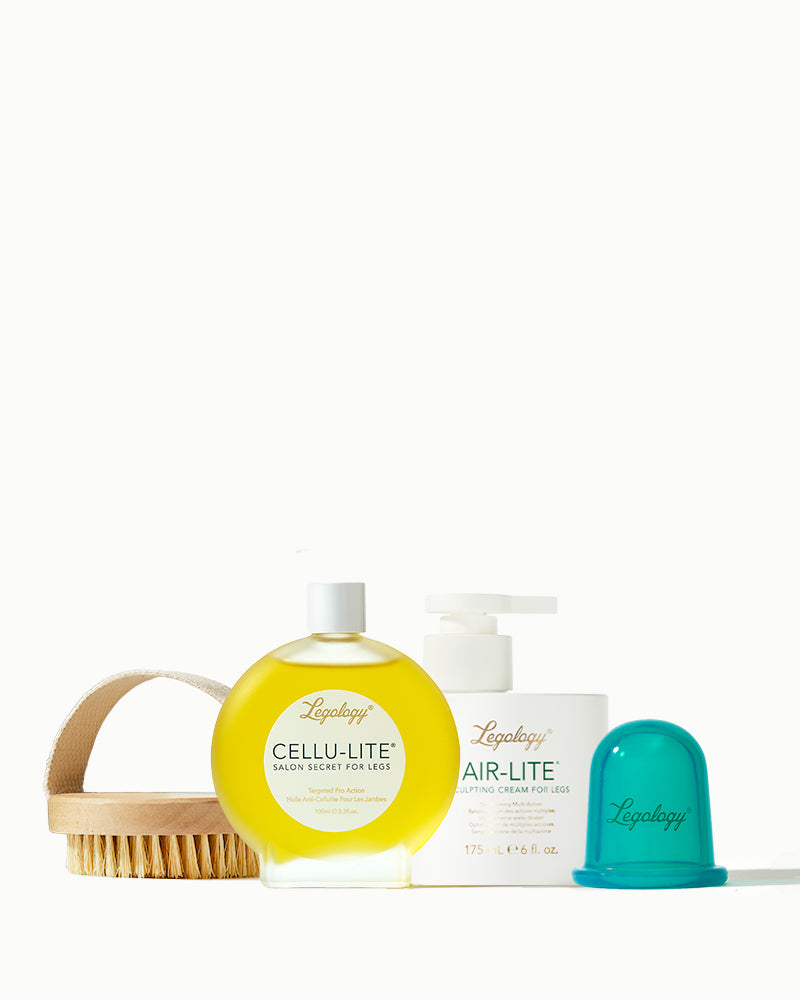
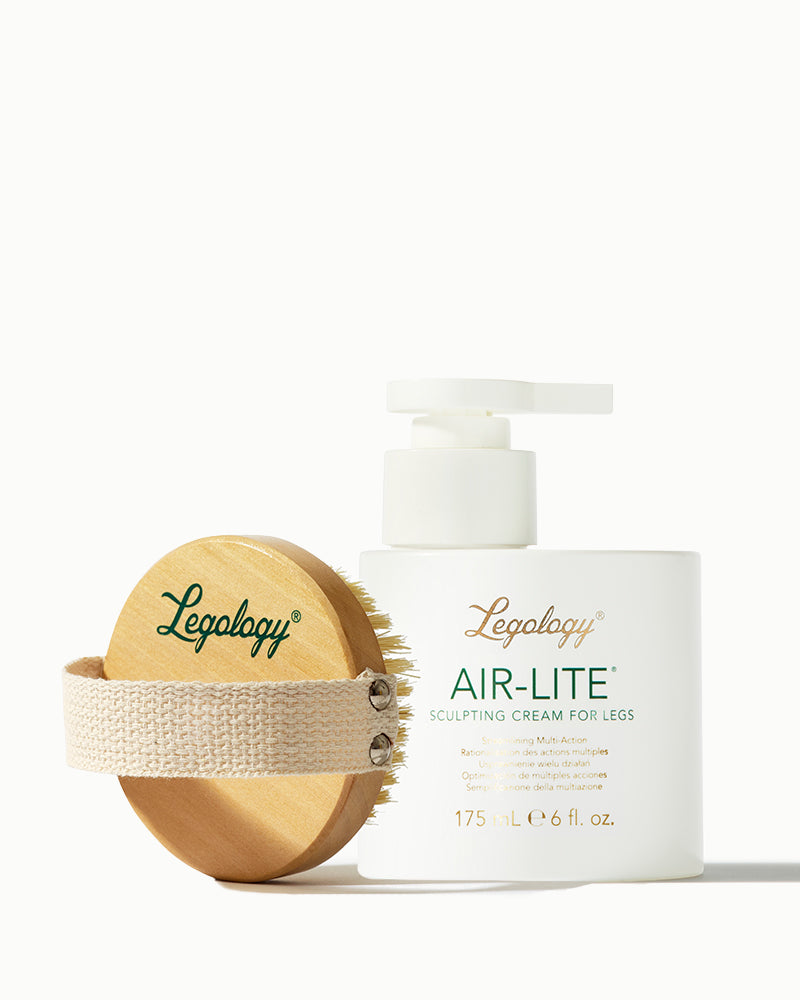
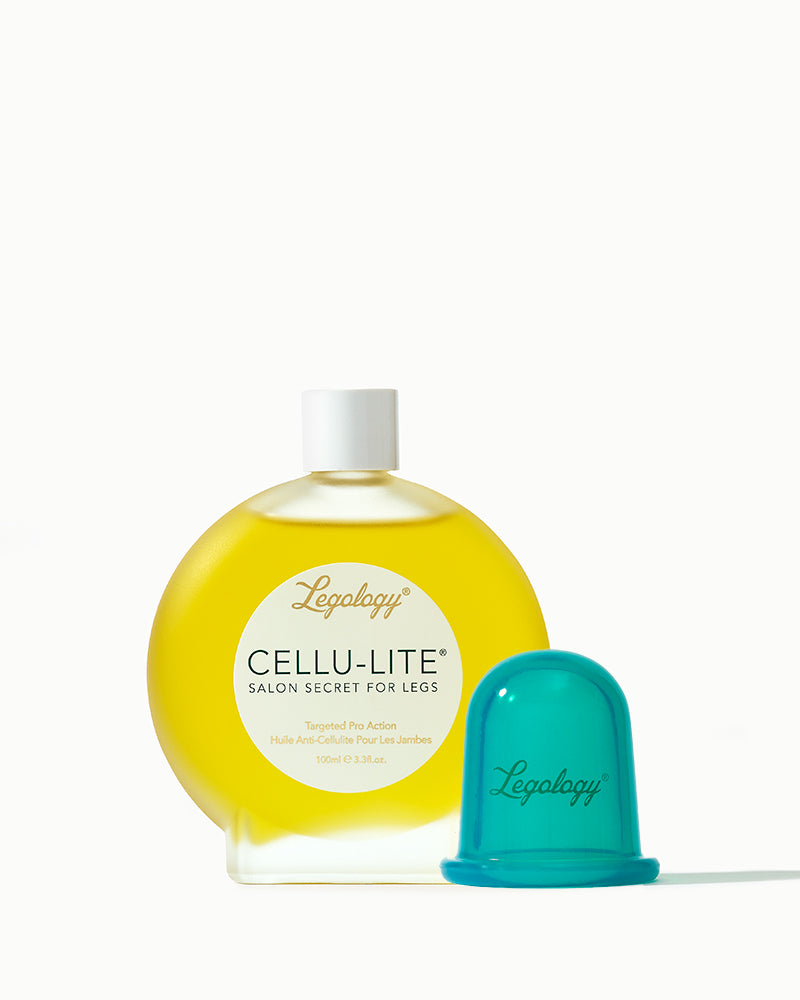
Daily massage, body brushing and products designed to support skin firmness—such as Cellu-Lite, Air-Lite and Lymph-Lite—can all become valuable parts of a consistent body-care routine.
Are Varicose Veins Genetic?
There is certainly a hereditary component.
If one or both parents have varicose veins, you're more likely to develop them yourself. However, lifestyle factors also influence when they appear and how severe they become.
Pregnancy, prolonged sitting or standing, reduced movement and increasing age all place extra pressure on the veins in your legs.
Supporting healthy circulation through regular movement can help reduce unnecessary strain on your veins.
Can You Prevent Stretch Marks?
Stretch marks are largely linked to collagen, skin elasticity and periods of rapid growth or weight change.
While genetics influence your susceptibility, keeping skin well moisturised and supporting collagen production through a healthy diet may help minimise their appearance.
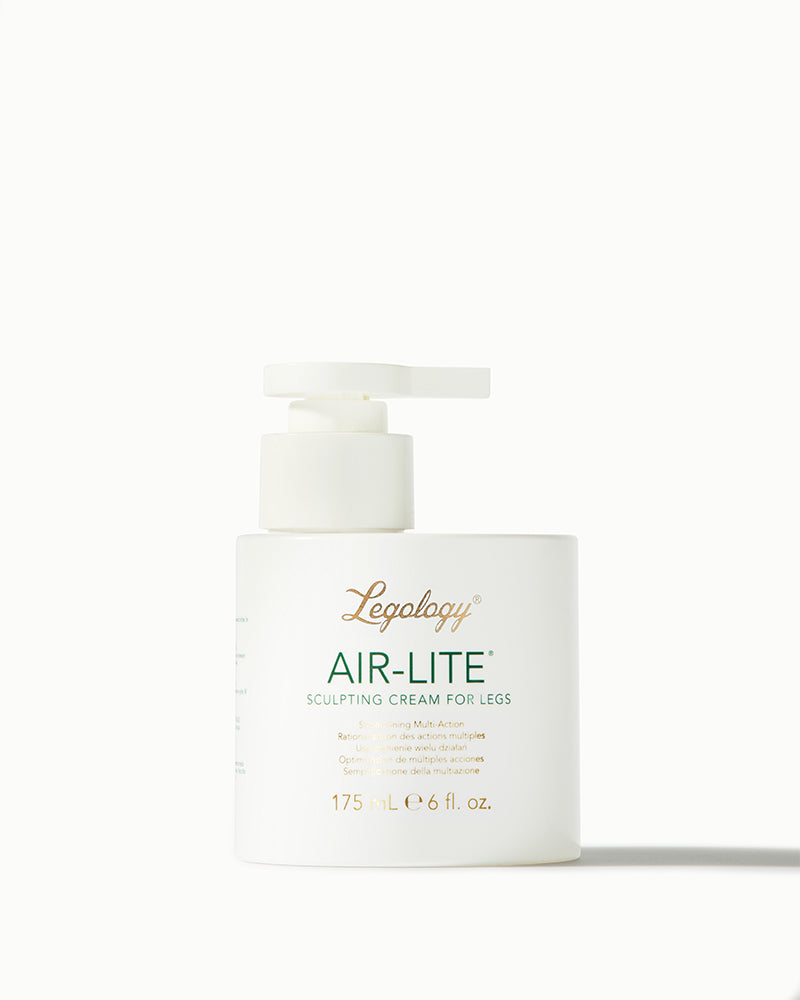
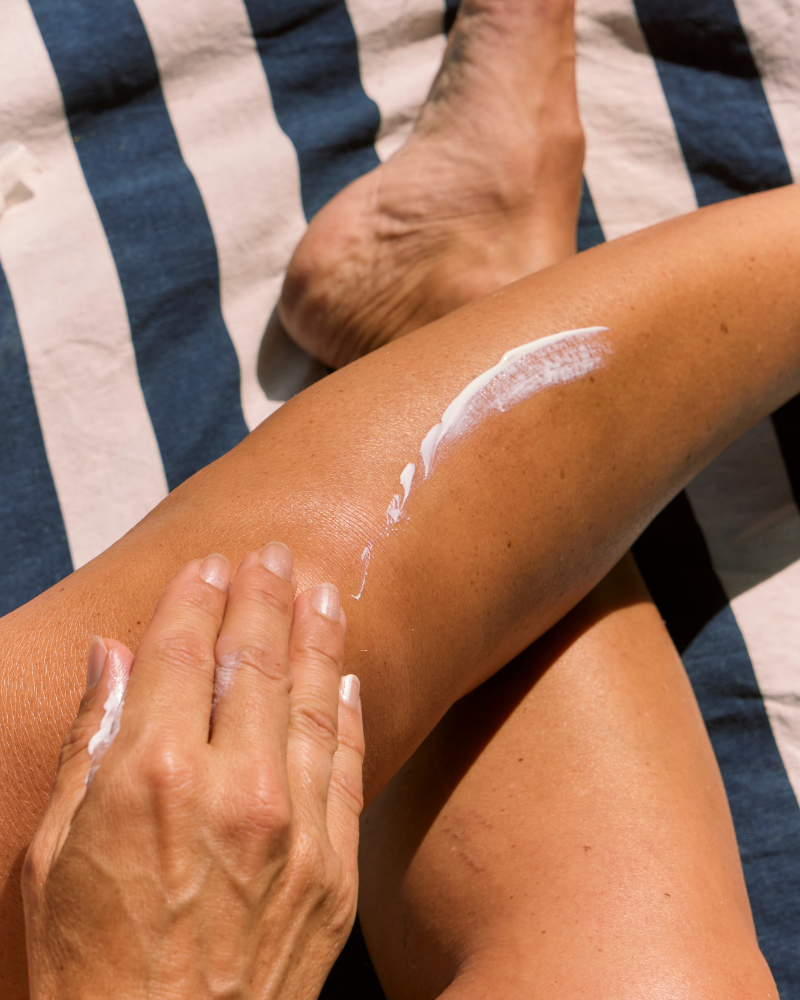
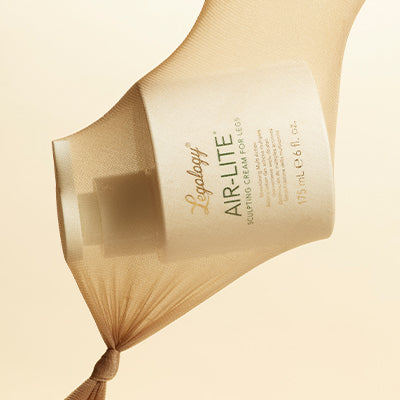
Using a nourishing body cream such as Air-Lite daily helps keep skin hydrated, supple and resilient.
The Hormone Effect on Your Legs
Hormones—particularly oestrogen—play a surprisingly important role in leg health.
Fluctuations during the menstrual cycle, pregnancy and menopause can encourage:
- Fluid retention
- Heavy legs
- Swollen ankles
- Changes in fat distribution
- Reduced vein strength
This explains why many women notice their legs feeling heavier or puffier at different times of the month.
Why Gravity Makes Everything Harder
Your legs spend every day working against gravity.
Unlike your heart, which actively pumps blood around your body, the lymphatic system relies almost entirely on movement.
Long periods of sitting allow fluid to collect around the ankles and lower legs, contributing to:
- Heavy legs
- Water retention
- Swollen ankles
- Cellulite appearing more noticeable
- Greater pressure on veins
This is why simply moving more throughout the day makes such a noticeable difference.

How to Improve the Appearance and Health of Your Legs
1. Move Every Day
Walking, swimming and regular exercise activate your calf muscles—often called your body's "second heart"—helping push blood and lymph back towards the heart.
2. Massage Regularly
Massage, body brushing and lymphatic drainage techniques help encourage healthy circulation while supporting the movement of excess fluid.
3. Hydrate Inside and Out
Drink plenty of water and moisturise daily to help maintain healthy, resilient skin.
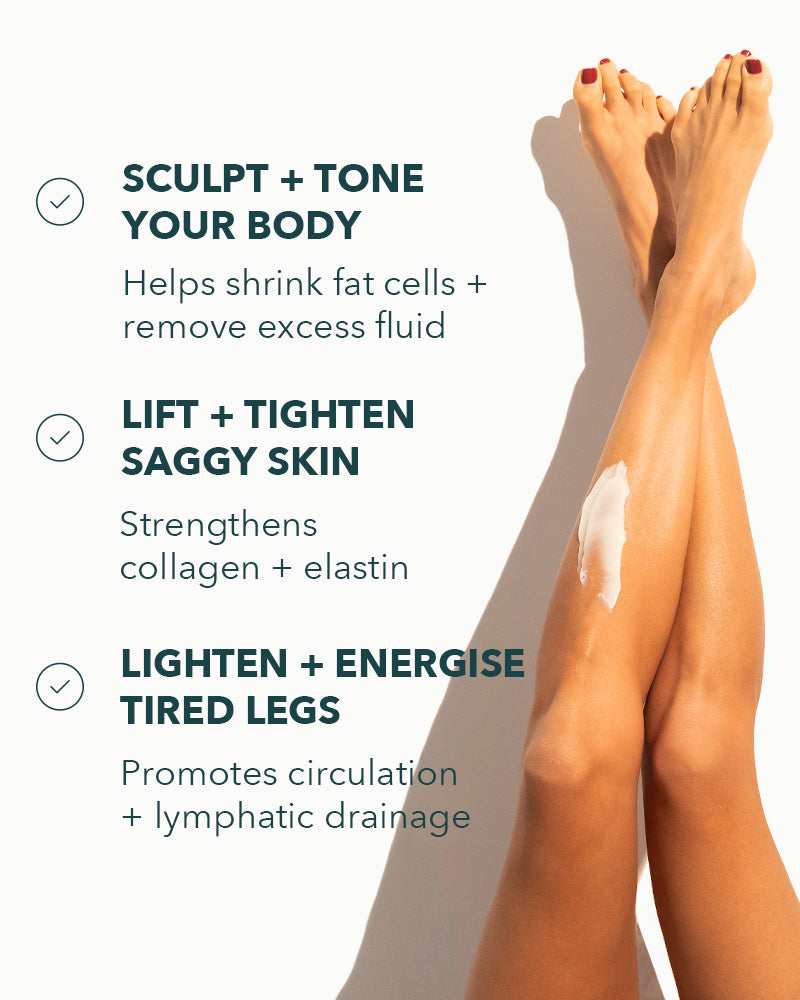
Air-Lite is ideal as an everyday moisturiser, helping skin feel deeply hydrated while leaving tired, heavy legs feeling lighter and refreshed.
A Simple Daily Leg Routine
Morning
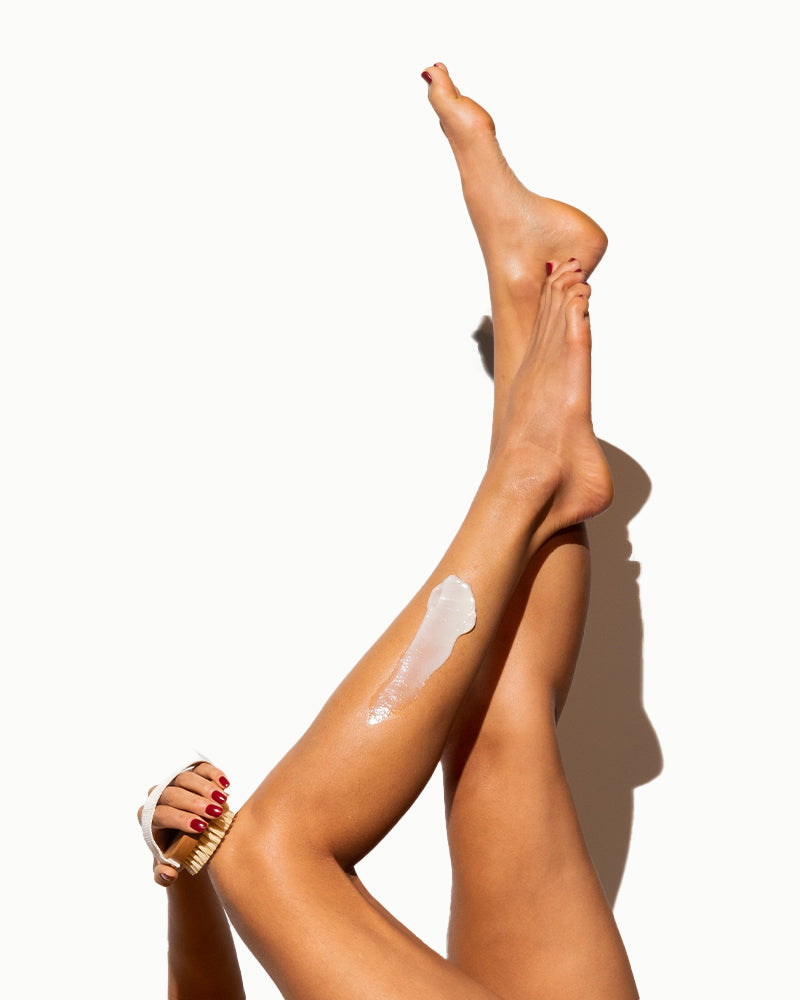
- Body brush for one minute before or after showering.
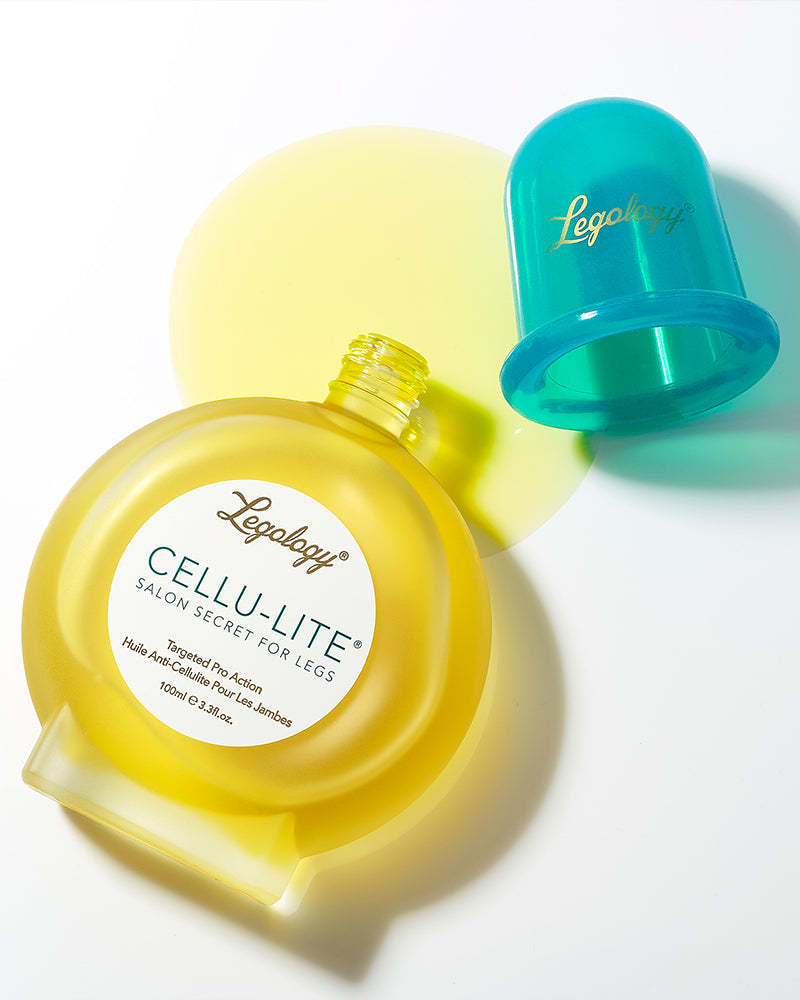
- Apply Cellu-Lite to areas affected by cellulite.
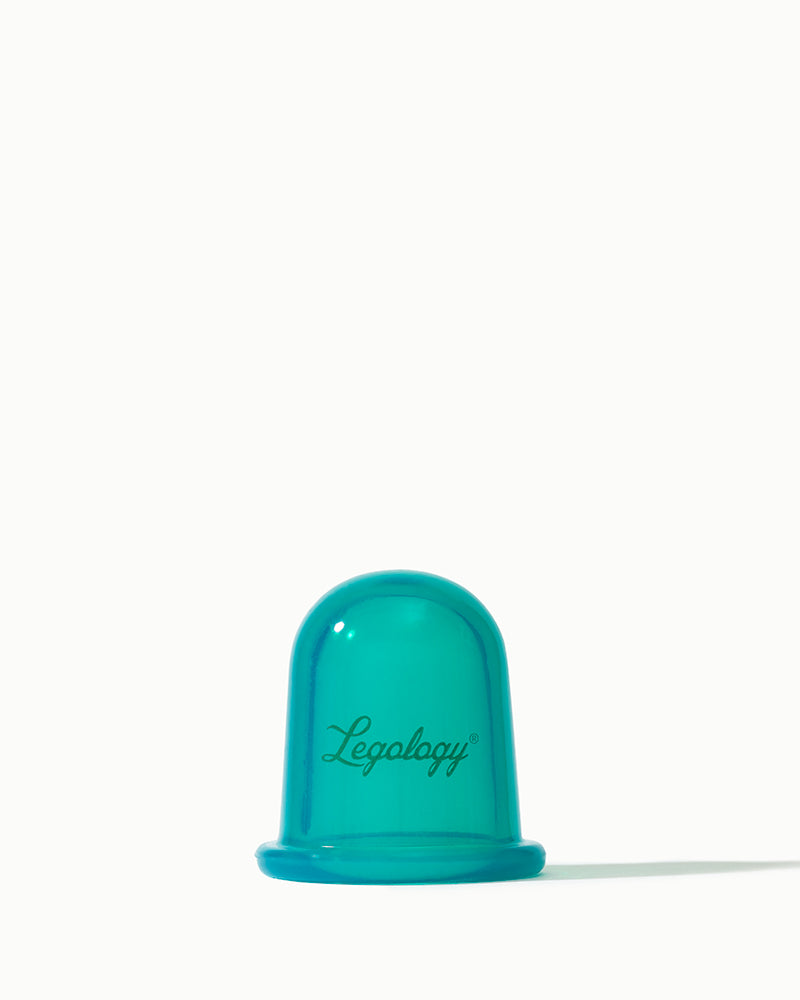
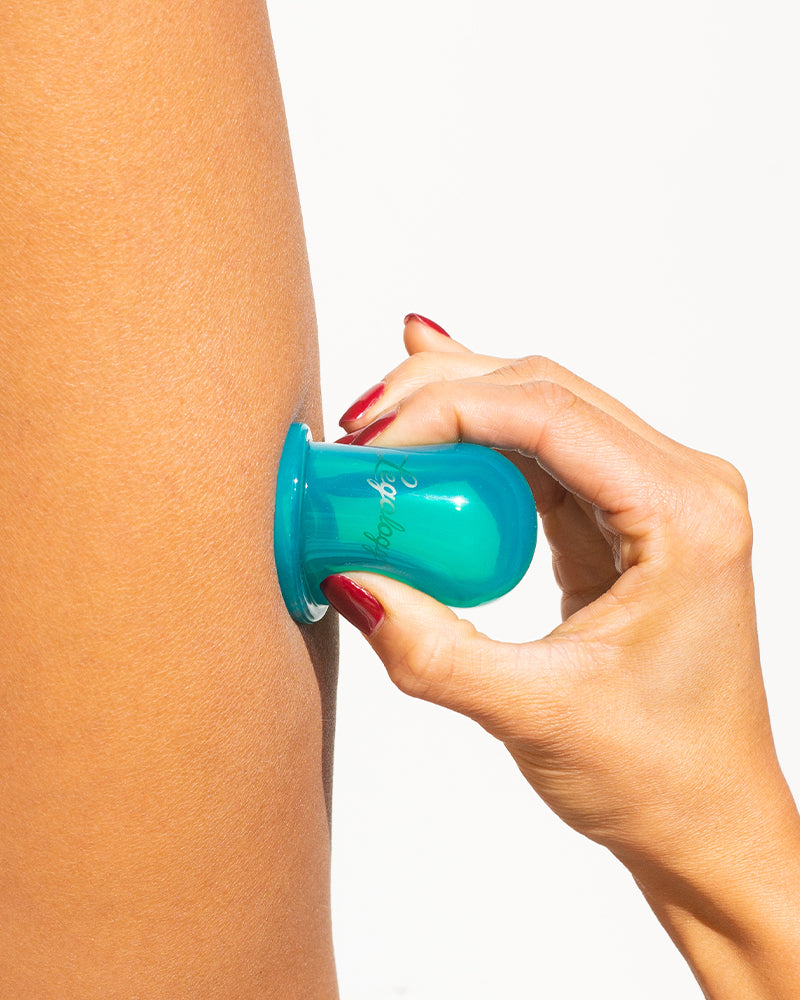
- Use the Circu-Lite Massage Cup to help stimulate circulation and encourage lymphatic drainage.
Evening
- Massage Air-Lite generously from ankles to hips.
- Elevate your legs against a wall for 10–15 minutes to encourage fluid to drain naturally and reduce feelings of heaviness.
When to Seek Professional Advice
If varicose veins are causing discomfort or becoming more pronounced, it's worth consulting a vascular specialist.
Treatments are most successful when they identify and address the underlying vein rather than simply treating the visible veins on the surface.
The Bottom Line
You can't change your genetics—but you can absolutely influence how your legs look and feel.
Healthy circulation, consistent movement, hydration, massage and targeted skincare all work together to improve skin quality, reduce heaviness and support stronger, healthier-looking legs over time.
The secret isn't perfection—it's consistency.