
The Big Swell: How Sitting Too Long Affects Your Legs, Circulation and Cellulite

There is a distinctly modern posture you can spot in almost any coffee shop, sitting room or office. A woman sits deeply cross-legged or slouched over, her gaze entirely locked onto an iPhone or laptop. Her finger scrolls through an endless feed. To the naked eye, she's simply relaxing.
But beneath the surface, something rather less relaxing may be happening to her legs.
Our relationship with technology has changed the way we move. We spend hours at desks, evenings on sofas and spare moments scrolling through our phones. While the effects of screen time on posture, sleep and mental wellbeing are widely discussed, there's another consequence that receives far less attention: what prolonged sitting does to our legs.
Swollen ankles, heavy legs, fluid retention and sluggish circulation can all be associated with spending too long sitting still. And for women already concerned about cellulite or visible veins, extended periods of inactivity may make their legs feel and look less than their best.
So, can too much screen time really affect your leg health? And more importantly, what can you do about it?
What Happens to Your Legs When You Sit for Too Long?
Your legs are designed to move. Every time you walk, climb stairs or flex your ankles, your calf muscles contract and help push blood back towards your heart.
This is often called the calf muscle pump, and it's an essential part of healthy venous circulation.
When you sit still for long periods, that pumping action becomes less active. Gravity continues to pull fluid downwards, but without regular muscle contractions, blood and fluid can accumulate in the lower extremities.
The result can be:
- Swollen ankles and feet
- Heavy, tired-feeling legs
- Temporary fluid retention
- Tightness around the calves
- More noticeable sock marks at the end of the day
It's not the smartphone or laptop itself that's responsible. It's the extended periods of sitting and reduced movement that often accompany their use.

1. Why Sitting Too Long Can Cause Swollen Legs and Ankles
One of the most immediate effects of prolonged sitting is the accumulation of fluid in the lower legs, sometimes referred to as dependent oedema.
When you're upright, gravity increases pressure in the veins of your legs. Normally, muscle contractions help move blood upwards and limit this pooling.
But when you're sitting motionless for hours, the calf muscle pump is less active, allowing fluid to accumulate in the surrounding tissues.
Research into prolonged sitting has demonstrated measurable changes in lower-leg fluid volume during periods of inactivity.
This helps explain why your ankles may look perfectly normal in the morning but appear noticeably puffier after a long working day, flight or evening on the sofa.
The good news: mild swelling associated with prolonged sitting often improves when you start moving again or elevate your legs.
2. Can Sitting Too Much Cause Varicose Veins or Spider Veins?
Varicose veins develop when the valves inside certain veins stop working effectively, allowing blood to flow backwards and collect.
Genetics, age, pregnancy and hormonal factors all influence the likelihood of developing them.
Prolonged sitting or standing may contribute to venous pooling and can aggravate symptoms in people who are already susceptible to vein problems.
However, it would be misleading to suggest that sitting with your phone directly damages vein valves or inevitably causes varicose veins.
What we do know is that regular movement helps support venous return and reduces the amount of time blood spends pooling in the lower legs.
For anyone who spends much of the working day at a desk, this is another reason to make movement a priority.
3. Does Sitting Too Long Make Cellulite Worse?
Cellulite is one of the most common concerns women have about their legs, and it's also one of the most misunderstood.
The familiar dimpled appearance develops through the interaction of subcutaneous fat, skin and the connective tissue bands that anchor them together.
Genetics, hormones, skin elasticity and fat distribution all influence how visible cellulite becomes.
So where does prolonged sitting fit in?
Although there isn't strong clinical evidence that sitting directly creates cellulite, reduced movement can contribute to temporary fluid pooling and changes in muscle tone over time.
For women who already have cellulite, these factors may make existing skin irregularities appear more noticeable.
At Legology, we've always advocated a lymph-first approach to leg care, recognising the importance of movement, massage and healthy fluid balance in how our legs look and feel.
While cellulite isn't simply caused by sluggish lymph, supporting circulation and maintaining healthy skin are valuable parts of a consistent body care routine.
4. Why Your Lymphatic System Needs Movement
Unlike your blood circulation, which is powered by the heart, your lymphatic system doesn't have a single central pump.
Instead, lymph moves through a combination of muscle contractions, breathing, vessel contractions and changes in tissue pressure.
Everyday movement helps support this process.
Walking, stretching and flexing your ankles all activate the muscles surrounding the vessels that transport fluid through your legs.
When you remain still for extended periods, you lose some of that valuable muscle-driven assistance.
This doesn't mean sitting causes lymphoedema, a medical condition involving impaired lymphatic drainage. But it does explain why regular movement is so important for maintaining normal fluid balance and leg comfort.
5. Are Younger Women Experiencing More Leg Problems?
For younger generations, smartphones, laptops and screen-based entertainment have been part of everyday life from an early age.
It's reasonable to question whether increasingly sedentary habits could affect long-term leg health.
However, there isn't sufficient evidence to conclude that younger women are developing varicose veins, cellulite or chronic venous insufficiency at dramatically higher rates specifically because of smartphone use.
What is clear is that prolonged sedentary time is associated with wider health risks, and breaking up long periods of sitting is beneficial regardless of age.
Looking after your legs isn't something to start only when you notice visible veins or cellulite. Healthy movement habits are worth establishing early.
How to Prevent Swollen Legs When Sitting All Day
The reality of modern life is that we're not going to throw our smartphones into the sea or abandon our laptops.
Fortunately, we don't need to.
The most effective approach is to interrupt long periods of stillness with small, regular movements.
1. Get Up and Move Every 30–60 Minutes
Set a reminder to stand, stretch or walk around for a few minutes during the working day.
Even short movement breaks help activate the calf muscle pump and support healthy circulation.
2. Try Calf Raises and Ankle Circles
If you're unable to leave your desk, simple seated exercises can help keep your lower legs moving.
- Lift your heels while keeping your toes on the floor.
- Raise your toes while keeping your heels down.
- Rotate your ankles in both directions.
- Repeat regularly throughout the day.
These small movements encourage muscle contractions that assist venous return.
3. Avoid Staying Cross-Legged for Hours
Crossing your legs occasionally isn't known to cause varicose veins, but remaining in one position for extended periods can become uncomfortable.
Change your sitting position regularly and keep your feet supported when working at a desk.
4. Elevate Your Legs in the Evening
After a long day of sitting, try resting with your legs raised for 10–15 minutes.
Elevating your legs can help ease mild, gravity-related swelling and relieve that familiar heavy-legged feeling.
5. Make Walking Part of Your Daily Routine
You don't need an intense gym session to support healthy leg circulation.
A brisk walk, taking the stairs or simply moving more frequently throughout the day can make a difference.
Consistency matters more than occasional bursts of activity.

The Legology Desk-to-Evening Leg Care Ritual
At Legology, we believe that looking after your legs should be an everyday habit, particularly if your lifestyle involves long periods of sitting.
Alongside regular movement, a simple body care ritual can help keep legs feeling refreshed, comfortable and beautifully cared for.
Morning: Brush and Refresh
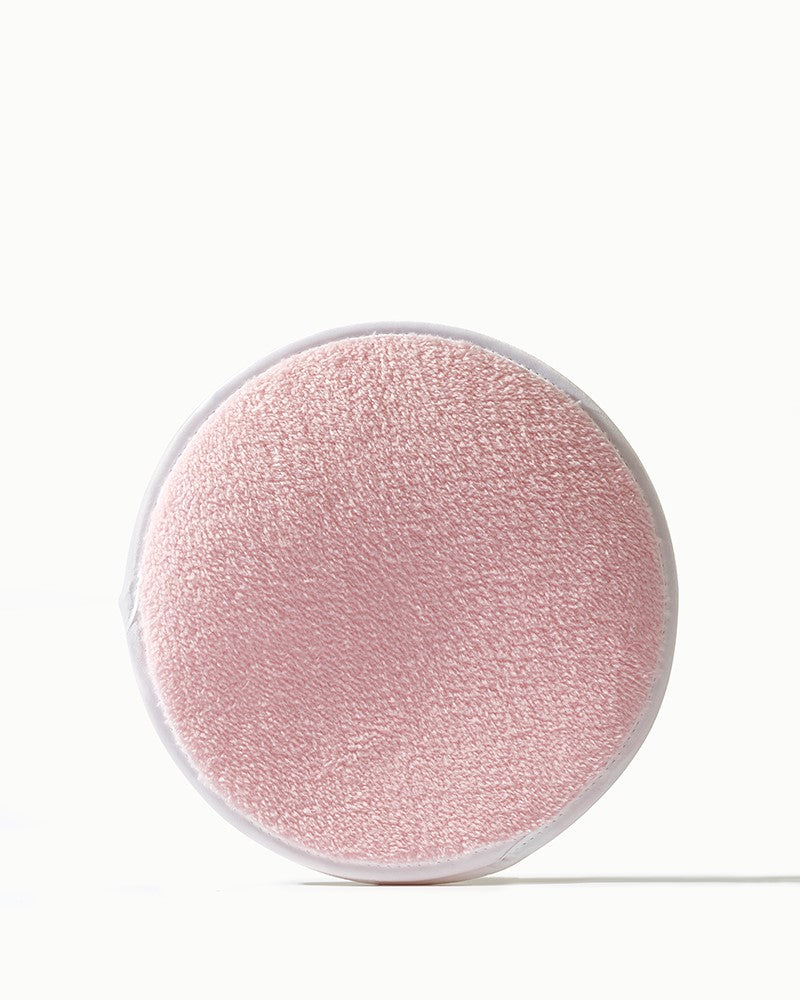
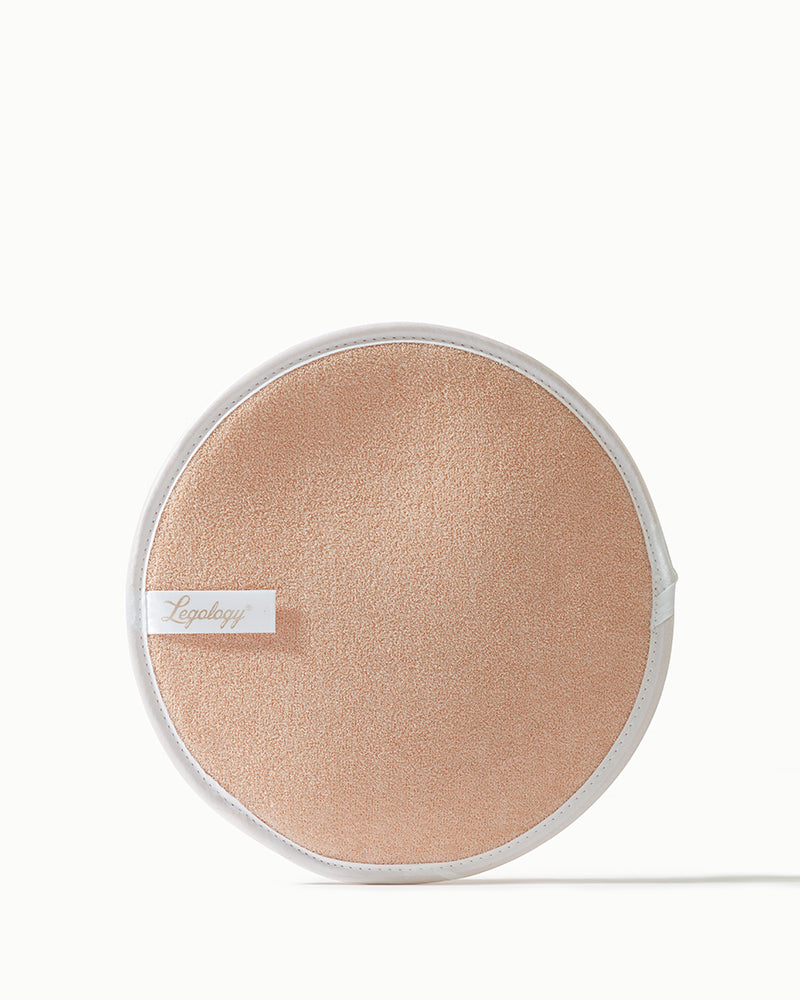
Start your day with Lymph-Lite Body Brush, using gentle upward strokes towards the heart.
Body brushing helps exfoliate the skin and provides a stimulating massage as part of your daily leg care routine.
After Work: Cool Down With Air-Lite
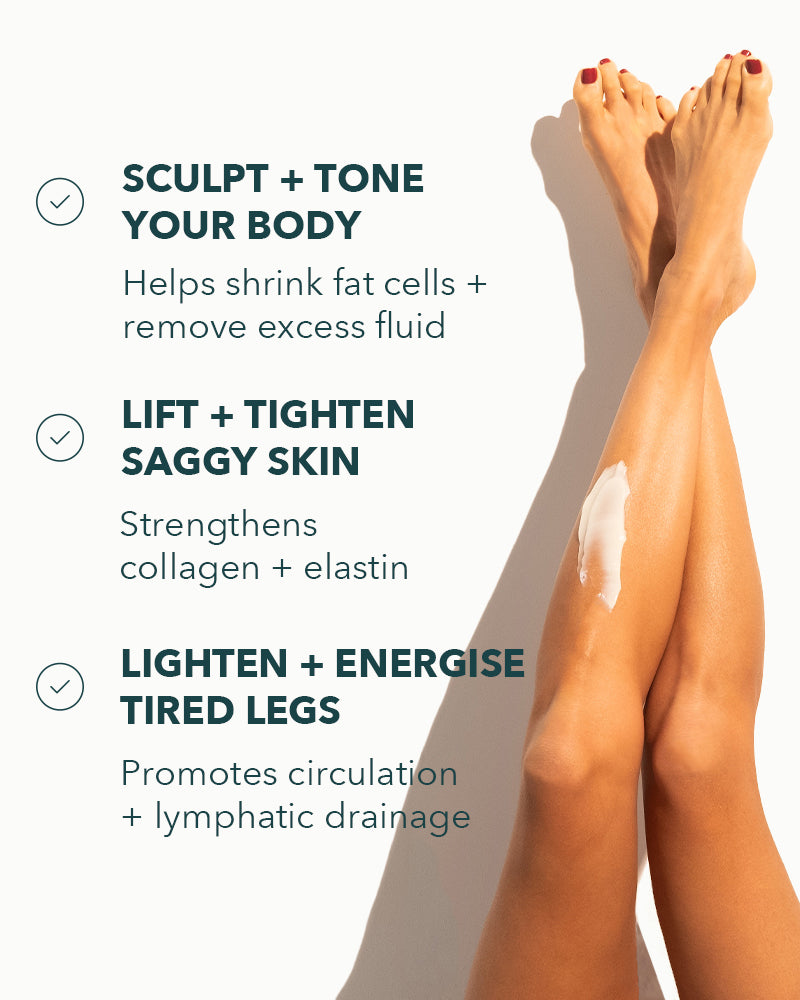
If your legs feel hot, heavy or puffy after hours at a desk, reach for Air-Lite Cream
Keep Air-Lite in the fridge for an extra cooling boost, then massage it upwards from ankles to thighs before spending 10–15 minutes with your legs elevated.
It's a simple, refreshing ritual to help tired legs feel cooler, lighter and more comfortable at the end of the day.
Evening: Target the Appearance of Cellulite
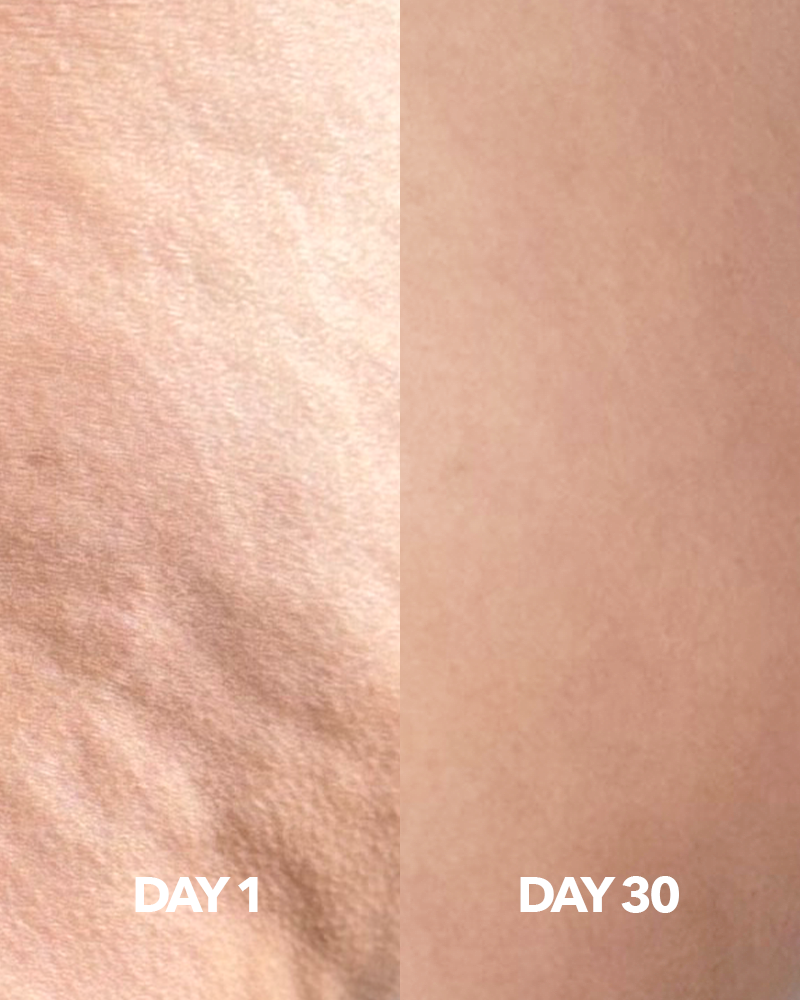
For areas where cellulite is more visible, incorporate Cellu-Lite oil into your evening routine.
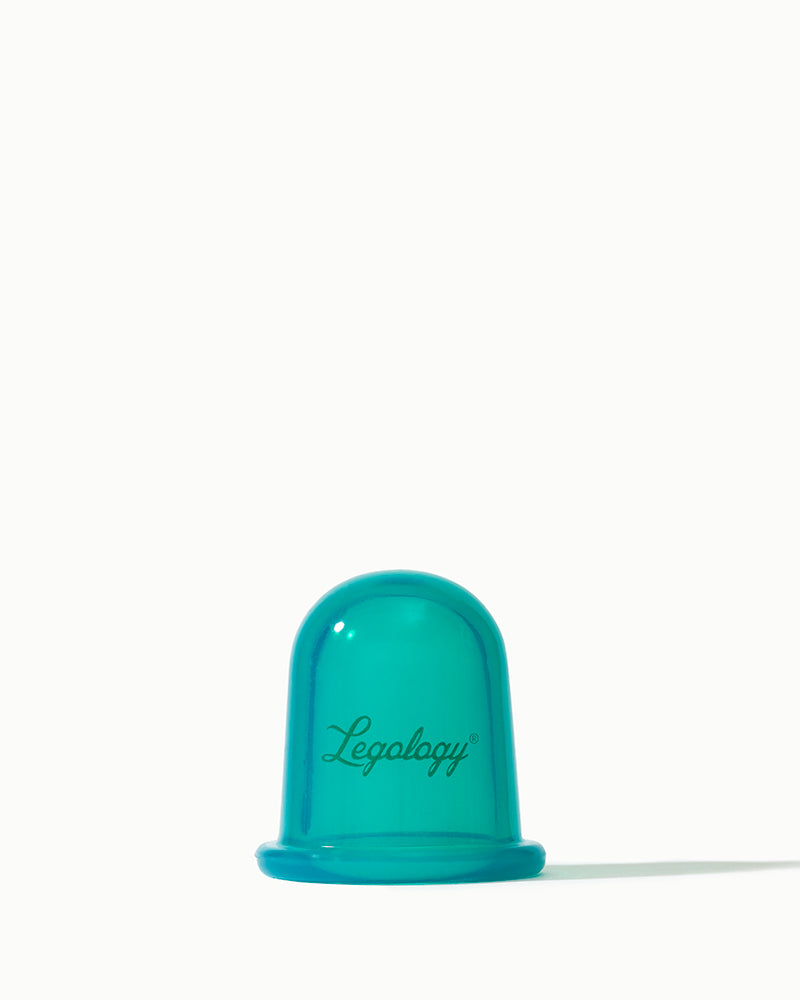
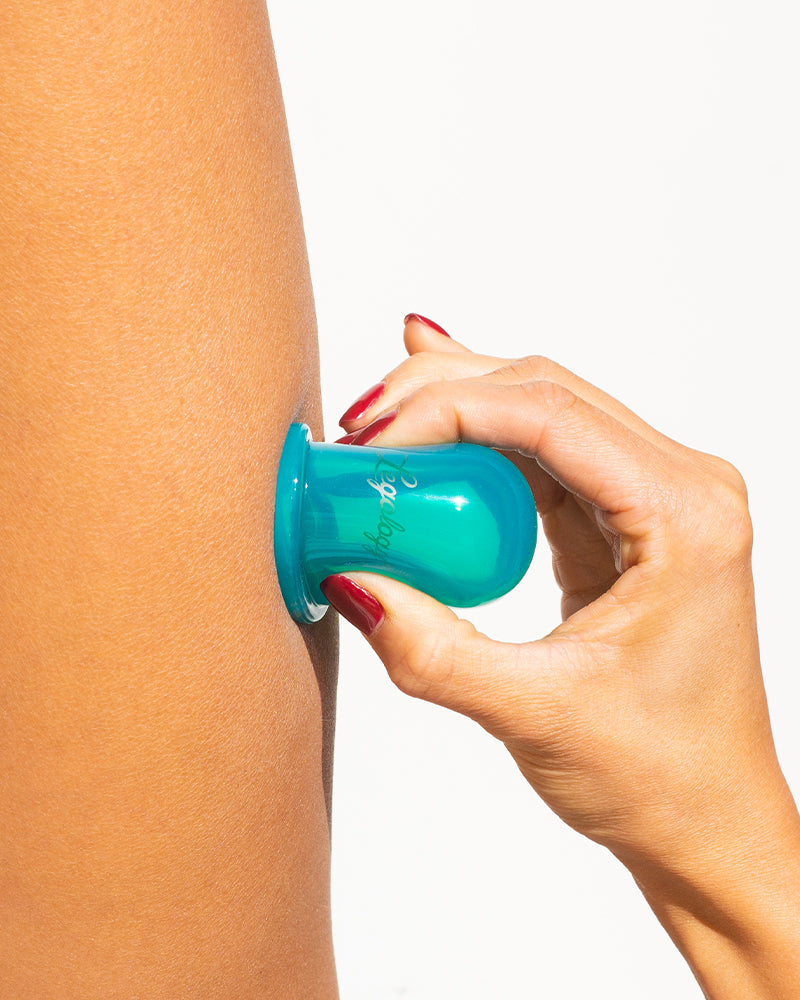
Massage the oil into thighs and other dimple-prone areas, using Circu-Lite Massage Cup if you want to enhance your targeted massage ritual.
While skincare cannot replace movement or treat underlying vascular conditions, regular massage and moisturising can help improve the appearance and feel of your skin.
When Should You Worry About Swollen Legs?
Mild ankle puffiness after prolonged sitting is common, but persistent or unexplained swelling shouldn't automatically be attributed to screen time.
Seek medical advice if swelling is recurrent, worsening or accompanied by skin changes or discomfort.
Sudden swelling in one leg, particularly with pain, warmth or redness, needs urgent medical assessment because it may indicate a blood clot. If swelling occurs with chest pain or breathlessness, seek emergency help.
The Bottom Line: Keep Scrolling, But Keep Moving
Our phones and laptops aren't going anywhere, but neither should our legs remain completely still for hours at a time.
Prolonged sitting can encourage fluid to pool in the lower limbs, leaving ankles swollen and legs feeling heavy or uncomfortable.
The solution doesn't have to involve a punishing exercise regime. Often, it's simply about breaking up sedentary time with regular movement, supporting healthy circulation and making daily leg care a habit.
So the next time you find yourself disappearing down a digital rabbit hole, remember to get up, stretch and give your legs a little attention.
Because if our minds are going to wander into the digital world, our legs still need to move in the real one.